Mold remediation coverage is an important aspect of homeowners insurance that many people overlook. Understanding what is included in your policy can save you from unexpected expenses and health risks associated with mold growth. In this article, we will explore the ins and outs of mold remediation coverage, including when it is covered, common exclusions, and how to file a claim successfully.
Key Takeaways
- Mold remediation coverage is usually only included when mold results from a covered event, like a burst pipe.
- Most homeowners insurance policies have limits on mold coverage, often ranging from $1,000 to $10,000.
- Neglecting to fix leaks or maintain your home can lead to mold issues that insurance won’t cover.
- If mold develops from a sudden incident, such as a flood or fire, you may have coverage for remediation.
- Consider additional coverage options like mold riders to enhance your protection against mold damage.
Understanding Mold Remediation Coverage in Homeowners Insurance
What is Mold Remediation Coverage?
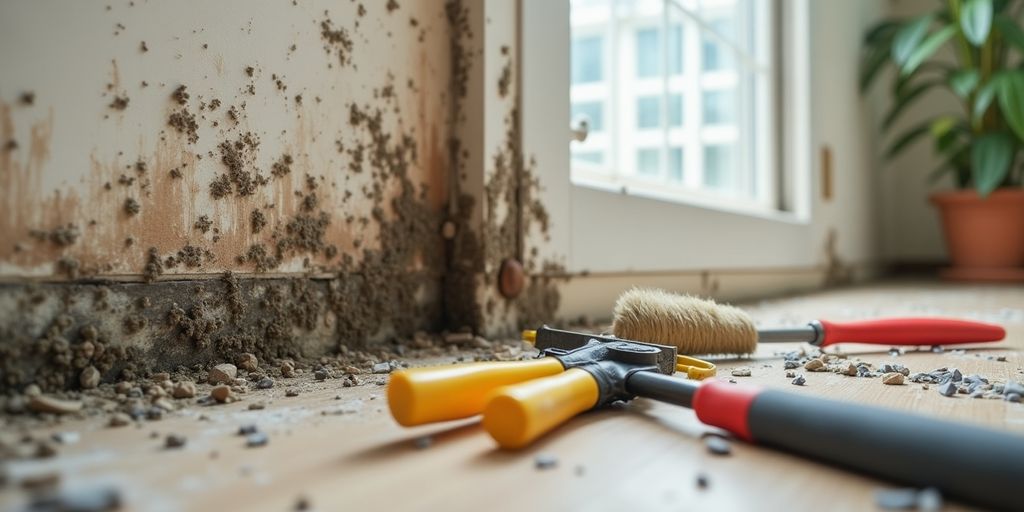
Mold remediation coverage is a part of homeowners insurance that helps pay for the removal of mold from your home. This coverage is crucial because mold can cause serious health issues and damage to your property. However, it often comes with limits, typically ranging from $1,000 to $10,000. Homeowners may also have the option to add more coverage for an extra cost.
Why is Mold Remediation Important?
Mold can grow in hidden areas of your home, leading to extensive damage if not addressed quickly. Here are some reasons why mold remediation is important:
- Protects your health from mold-related illnesses.
- Prevents structural damage to your home.
- Helps maintain the value of your property.
Common Misconceptions About Mold Coverage
Many homeowners believe that all mold damage is covered by insurance, but this is not true. Here are some common misconceptions:
- All mold is covered: Only mold resulting from a covered peril is usually covered.
- Neglect is covered: Mold from long-term leaks or neglect is often excluded.
- Coverage is unlimited: Most policies have a cap on mold remediation costs.
Mold is a serious issue that can lead to costly repairs and health risks. Understanding your coverage can save you from unexpected expenses.
In summary, knowing the ins and outs of mold remediation coverage in homeowners insurance is essential for every homeowner. It helps you prepare for potential mold issues and ensures you have the right protection in place.
When Mold is Covered by Homeowners Insurance
Covered Perils Leading to Mold
Homeowners insurance typically covers mold if it arises from a covered peril. This means that if mold develops due to an unexpected event, like a burst pipe or a malfunctioning appliance, you may be eligible for coverage. For example:
- A broken water heater causes water damage, leading to mold growth.
- Firefighters use water to extinguish a fire, resulting in mold afterward.
- A dishwasher leak floods your kitchen, creating a mold issue.
Examples of Covered Mold Incidents
Here are some common scenarios where mold is likely covered:
- Water damage from a sudden pipe burst.
- Mold growth after a fire due to water used in firefighting.
- Flooding caused by a malfunctioning appliance, like a washing machine.
Understanding Policy Language
It’s crucial to read your homeowners insurance policy carefully. Many policies have specific language regarding mold coverage. Typically, coverage is limited to a certain amount, often between $1,000 and $10,000. If you live in a mold-prone area, consider adding a rider for additional coverage.
Remember, mold claims are most successful when you can show that the damage was sudden and reported promptly to your insurer.
In summary, understanding when mold is covered can help you navigate your homeowners insurance effectively. Always check your policy for specific details and limitations regarding mold coverage.
Exclusions and Limitations in Mold Remediation Coverage
Common Exclusions in Policies
Most homeowners insurance policies have specific exclusions regarding mold damage. Mold coverage can be complicated. Here are some common exclusions:
- Damage from typical wear and tear
- Long-term leaks that were not fixed
- Moisture from construction work
- Poor repairs that lead to mold growth
State-Specific Limitations
In some states, mold coverage may be limited or not included at all. Homeowners in areas prone to mold may need to check their policies carefully. For example, policies in humid climates might have stricter limitations.
How to Increase Your Coverage
If you want more protection against mold, consider these options:
- Add a mold rider to your policy for increased coverage limits.
- Review your policy regularly to ensure it meets your needs.
- Consult with your insurance agent about additional coverage options.
Mold damage can lead to significant costs, so understanding your policy is crucial to avoid unexpected expenses.
How to File a Mold Remediation Claim Successfully
Steps to Take When You Discover Mold
- Contact your insurance agent immediately. They will send an adjuster to check the damage and see if it’s covered.
- Open windows or use a dehumidifier to dry the area. Avoid cleaning or removing anything until the adjuster has seen it.
- Take photos of all damaged areas and items. This will help support your claim.
- Review your policy to understand your mold coverage limits.
Documenting Mold Damage
- Make a detailed list of all damaged items.
- Photograph and videotape the mold and water damage.
- Be honest and thorough; false reporting can hurt your claim.
Working with Insurance Adjusters
- Be prepared to explain how the mold is related to the initial water damage.
- Keep a record of all conversations with your insurance provider.
- If your claim is denied, you can appeal the decision.
Remember, acting quickly is crucial. Mold can start to grow in just one day, so the sooner you file your claim, the better your chances of getting coverage.
In some cases, mold damage can be linked to a covered incident, like a burst pipe. If this happens, you might not need to file two separate claims. Always ask your insurance agent about your options. If you need more information, you can contact us about mold through the EPA’s website, which provides guidance on addressing mold issues in homes.
Additional Coverage Options for Mold Remediation
Mold Insurance Riders and Endorsements
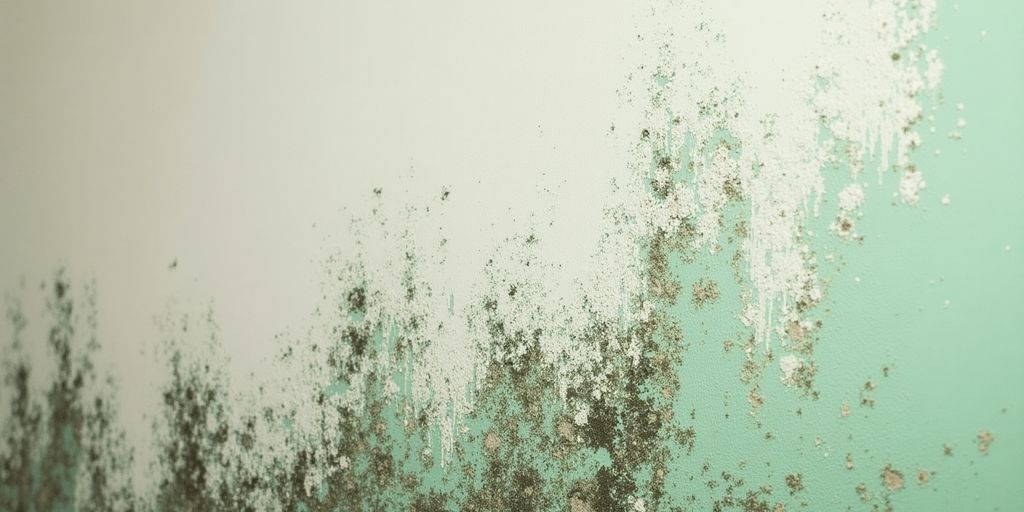
Many homeowners insurance policies do not cover mold damage. However, you can often add a mold insurance rider to your policy. This rider can help cover mold damage that standard policies usually exclude. It’s important to check with your insurer to see if this option is available in your state.
Sump Pump and Water Backup Coverage
If your sump pump fails or there’s a backup in your plumbing, mold can develop quickly. Many insurance companies offer optional coverage for these situations. This coverage can help pay for mold damage caused by:
- A broken sump pump
- A clogged sewer line
- Water backup from drains
Flood Insurance and Mold
Standard homeowners insurance typically excludes flood damage. If you live in a flood-prone area, consider purchasing separate flood insurance. However, even with flood insurance, mold damage may not be covered unless you cannot access your home after a flood. Always review your flood policy to understand what is included.
Understanding your coverage options is crucial. Many homeowners are unaware of the limitations in their policies, which can lead to unexpected out-of-pocket expenses.
In summary, while standard homeowners insurance may not cover mold, there are additional options available. Be proactive in discussing these options with your insurance provider to ensure you have the necessary protection against mold damage.
Preventing Mold Growth in Your Home
Routine Maintenance Tips
To keep your home safe from mold, it’s essential to follow some simple maintenance tips:
- Inspect your pipes, faucets, and hoses regularly for leaks and fix them immediately.
- Ensure that gutters and downspouts direct rainwater away from your home.
- Use air conditioners and dehumidifiers to keep humidity low in your house.
Identifying Early Signs of Mold
Being proactive can help you catch mold before it spreads. Look out for:
- A musty smell, which is often a sign of mold.
- Water stains or discoloration on walls and ceilings.
- Visible mold growth, which can appear in various colors.
Professional Mold Inspection Services
If you suspect mold but can’t find it, consider hiring a professional. They can:
- Conduct a thorough inspection of your home.
- Use specialized equipment to detect hidden mold.
- Provide recommendations for remediation if needed.
Remember, keeping your house dry is key to preventing mold. Don’t let water build up anywhere, ventilate damp rooms, and wipe shower walls and doors after use.
By following these steps, you can significantly reduce the risk of mold growth in your home and protect your health and property.
The Cost of Mold Remediation and Insurance Payouts
Average Costs of Mold Remediation
Mold remediation can be quite expensive. On average, homeowners in the U.S. spend about $2,235 to remove mold. However, costs can vary significantly based on the extent of the damage and the size of the affected area. Here’s a quick overview of potential costs:
| Type of Remediation | Estimated Cost |
|---|---|
| Minor Mold Removal | $500 – $1,500 |
| Moderate Mold Removal | $1,500 – $5,000 |
| Major Mold Removal | $5,000 – $30,000 |
Insurance Payout Limits
Many homeowners insurance policies have limits on how much they will pay for mold damage. Most insurers cap mold damage coverage between $1,000 and $10,000. This means that if your mold remediation costs exceed this limit, you will have to pay the difference out of pocket. Here are some key points to consider:
- Check your policy for specific mold coverage limits.
- Consider adding a mold rider for higher coverage.
- Understand that coverage may vary by state and insurer.
Out-of-Pocket Expenses
If your mold damage exceeds your insurance coverage, you may face significant out-of-pocket expenses. Here are some common costs you might incur:
- Repairs for damaged structures (walls, floors, etc.)
- Replacement of personal items affected by mold
- Professional cleaning services for extensive mold issues
Mold can grow quickly, sometimes within just 24 to 48 hours after water damage. It’s crucial to act fast to minimize costs and damage.
Understanding the costs associated with mold remediation and the limitations of your insurance coverage can help you prepare for potential expenses. Always review your policy and consider additional coverage options if you live in a mold-prone area.
Mold removal can be expensive, but it’s crucial for keeping your home safe and healthy. Many homeowners find that their insurance can help cover these costs, but it’s important to understand your policy. If you’re facing mold issues, don’t wait! Visit our website to learn more about how we can assist you with mold remediation and insurance claims. Your home deserves the best care!
Final Thoughts on Mold Remediation Coverage
In conclusion, understanding mold remediation coverage in homeowners insurance is crucial for every homeowner. While some policies may offer limited protection, many do not cover mold damage caused by neglect or long-term issues. It’s important to know that mold can grow quickly and may lead to costly repairs. If you suspect mold in your home, act fast and check your insurance policy to see what is covered. Consider adding extra coverage if you live in a mold-prone area. Being proactive about maintenance and understanding your insurance can help you avoid unexpected costs.
Frequently Asked Questions
What does mold remediation coverage include?
Mold remediation coverage usually helps pay for removing mold caused by sudden incidents, like a burst pipe or a fire that was put out with water.
When is mold covered by homeowners insurance?
Mold is often covered if it results from a specific problem that your policy covers, like water damage from a broken appliance.
What are common reasons mold claims get denied?
Claims may be denied if the mold was caused by neglect, like not fixing a long-term leak or if the mold developed over time.
Can I increase my mold coverage?
Yes, some insurance companies allow you to add extra mold coverage for an additional cost, which can provide higher limits.
How can I prevent mold in my home?
To prevent mold, fix leaks quickly, keep your home dry, use a dehumidifier, and ensure proper ventilation.
Is it safe to clean mold myself?
Small mold problems can be cleaned at home, but big issues should be handled by professionals to ensure safety.