Mold in your home isn’t just an ugly sight—it can be a real headache, affecting both your health and your wallet. Homeowners often wonder if their insurance covers mold damage, and the answer can be complicated. Understanding what’s covered under your insurance policy and taking steps to prevent mold can save you a lot of trouble down the line. Let’s break down what mold remediation insurance coverage really means for you and your home.
Key Takeaways
- Homeowners insurance might cover mold if it’s caused by something sudden, like a burst pipe, but not if it’s due to neglect.
- Policies often have limits on how much they’ll pay for mold damage, so it’s good to know your policy details.
- Flood damage usually isn’t covered under standard policies, so you might need separate flood insurance to cover mold from floods.
- Preventing mold through regular home maintenance can help you avoid claim denials.
- If you find mold, document everything and contact your insurance right away to improve your chances of a successful claim.
The Importance of Mold Remediation Insurance Coverage
Mold is more than just an unsightly problem in your home; it can be a real threat to both your property and health. When mold takes hold, it can weaken structures, damage personal belongings, and create a host of issues that are expensive to fix. Homeowners should be aware that mold can spread rapidly, especially in damp environments, leading to extensive damage that might not be immediately visible.
Health Implications of Mold Exposure
Mold exposure isn’t just a nuisance; it can lead to serious health problems. For some, it can trigger allergies, asthma attacks, and other respiratory issues. Those with weakened immune systems or pre-existing conditions are at even greater risk. It’s crucial to understand that mold can affect anyone, and the potential health costs can be significant if not addressed promptly.
Financial Consequences of Mold Infestation
Financially, mold can be a nightmare. The costs of remediation, repairs, and even temporary relocation can add up quickly. Without proper insurance coverage, homeowners might find themselves paying out of pocket for these expenses. Mold remediation insurance can help mitigate these costs by covering some or all of the expenses related to mold damage. Having this coverage means you’re not alone in dealing with the financial burden of a mold infestation.
Understanding mold remediation insurance is essential for homeowners. It not only protects your home but also safeguards your health and finances. By being informed, you can take proactive steps to prevent mold and ensure you’re covered if it does appear.
Consider checking your homeowners insurance policy to see if it covers mold damage from incidents like accidental leaks or storm damage. Knowing your coverage options can save you from unexpected expenses later on.
When Does Homeowners Insurance Cover Mold?
Covered Perils Leading to Mold Growth
Home insurance can be a real lifesaver when it comes to unexpected disasters. But when does it cover mold? Well, if mold pops up because of a covered peril, you’re likely in luck. Covered perils are sudden events your insurance policy accounts for, like a burst pipe or water damage from a fire being put out. If mold grows due to these incidents, your insurance might help cover the costs of cleaning it up. Just remember, there’s usually a cap on how much they’ll pay for mold removal.
Additional Mold Coverage Options
Sometimes, standard policies just don’t cut it. That’s where additional mold coverage comes in. You can often add this to your policy if you’re worried about mold that isn’t tied to a specific peril. This extra protection usually means paying a bit more on your premium, but it can be worth it if you’re concerned about mold damage in your home.
Limitations and Exclusions in Policies
Now, here’s the tricky part. Not everything is covered. If mold shows up because of neglect—like ignoring a leaky roof or not fixing a plumbing issue—don’t expect your insurance to foot the bill. Also, mold from flooding? That’s a no-go unless you have separate flood insurance. Understanding these exclusions is key to not getting caught off guard. Always check your policy details and maybe even chat with your insurance agent to get the full picture.
Types of Insurance Policies That May Cover Mold Damage
Homeowner’s Insurance and Mold
Homeowner’s insurance is the go-to for many when it comes to protecting their property from unexpected mishaps. Typically, these policies cover mold damage if it’s caused by a sudden, accidental event. Think of situations like a burst pipe or a roof that’s sprung a leak. However, not all homeowners insurance policies are created equal, so it’s crucial to dive into the specifics of your plan. Many homeowners insurance policies provide coverage for mold damage, particularly under HO-3 policies, which are the most common type of home insurance. But remember, coverage can vary, and understanding your policy’s details is key.
Renter’s Insurance Considerations
For renters, the story is a bit different. Renter’s insurance might cover mold damage to personal belongings, but structural coverage is a different ball game. Some policies might take care of mold issues if they’re caused by covered events like a plumbing mishap, while others might leave you hanging. It’s wise for renters to thoroughly check their policies and maybe even consider additional coverage if mold is a concern.
Commercial Property Insurance for Mold
If you own commercial property, you’re probably already familiar with commercial property insurance. These policies often cover mold damage, but again, usually only if it’s from a sudden or accidental event. Mold from long-term issues? That’s usually a no-go. Reviewing your policy’s terms is essential to know what’s covered and what’s not. Whether it’s the building itself or the contents inside, understanding the scope of your coverage can save you a lot of headaches down the line.
Understanding the ins and outs of your insurance policy can be a lifesaver when dealing with mold damage. Make sure you know what your coverage entails to avoid any nasty surprises.
How to File a Mold Damage Insurance Claim
Documenting Mold Damage Effectively
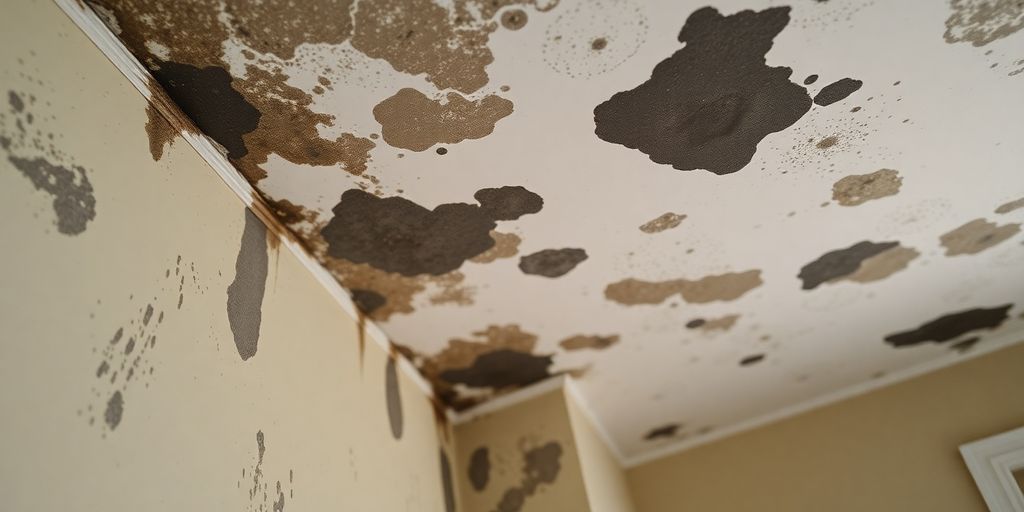
When mold strikes, the first thing you need to do is document everything. Grab your phone or camera and take clear photos and videos of the affected areas. Make sure you capture the extent of the mold growth and any related damage to walls, ceilings, or personal belongings. Write down detailed descriptions of what you see. This documentation is crucial for your insurance claim, as it provides evidence of the damage and helps in assessing the claim’s validity.
Steps to Initiate a Claim
Once you’ve documented the damage, it’s time to kick off the insurance claim process. Here’s a simple step-by-step guide:
- Contact Your Insurance Provider: Reach out to your insurance company immediately. The sooner they know about the issue, the better.
- Submit Your Documentation: Provide all your photos, videos, and written descriptions to the insurance company. This will support your claim and help speed up the process.
- Follow Up Regularly: Keep in touch with your insurance provider to stay updated on the status of your claim.
Working with Insurance Adjusters
Insurance adjusters play a key role in the claim process. They’ll likely visit your home to inspect the damage and determine the extent of coverage. Be prepared to show them the documented evidence and explain the situation clearly. It’s also wise to keep records of all communications with your adjuster. This can help resolve any disputes and ensure a smoother claim process.
Filing a mold damage claim can feel overwhelming, but with thorough documentation and prompt action, you can navigate the process more effectively.
Remember, mold remediation costs can sometimes exceed the base coverage offered by insurance policies, so be sure to discuss all available options with your provider.
Preventing Mold Growth and Insurance Claim Denials
Moisture Control and Home Maintenance
Keeping mold at bay is all about controlling moisture. Regular home maintenance is crucial. Start by checking your pipes, faucets, and hoses for leaks. Fix them as soon as you spot an issue. It’s also wise to inspect your roof for leaks and keep gutters clear of debris. Don’t forget about proper ventilation in bathrooms and kitchens; exhaust fans can be a big help. Use dehumidifiers to keep indoor humidity levels low, especially in damp areas like basements.
Recognizing Early Signs of Mold
Mold can sneak up on you if you’re not vigilant. Spotting early signs can prevent a small problem from becoming a big headache. Look for discolored spots on walls or ceilings, a musty smell, or any visible mold growth. Mold often hides in places you don’t regularly check, like behind furniture or in your attic. Regular inspections can help you catch mold before it spreads.
Professional Mold Inspection and Remediation
Sometimes, despite your best efforts, mold can still find a way in. When it does, calling in a professional might be your best bet. Mold remediation experts not only remove the mold but also help identify the source of moisture causing the problem. This can be crucial in preventing future issues. Remember, if mold is due to a covered peril, it might be worth checking if your homeowners insurance covers the cost of remediation. Always ensure your chosen contractor is licensed and experienced in dealing with mold.
Common Challenges in Mold Remediation Insurance Claims
Understanding Policy Limits and Deductibles
When dealing with mold-related insurance claims, one of the first hurdles homeowners face is understanding their policy limits and deductibles. Many policies have specific caps on the amount they’ll cover for mold damage, which can be significantly lower than expected. It’s crucial to read the fine print and know how much you’re really covered for. High deductibles can also mean that you end up paying quite a bit out of pocket before your insurance kicks in.
Dealing with Claim Denials
Claim denials are another common issue. Insurance companies may deny claims if they believe the mold resulted from poor maintenance or neglect. They might also argue that the mold was a pre-existing condition or not caused by a "covered peril." To avoid this, make sure to document everything thoroughly. Take photos, keep receipts, and maintain records of any repairs or inspections. This documentation can be vital when you’re trying to prove your case.
Seeking Professional Assistance
Navigating the claims process can be overwhelming, and sometimes it’s worth seeking professional help. Public adjusters or insurance consultants can offer guidance and increase your chances of a successful claim. They understand the ins and outs of policies and can negotiate on your behalf. While hiring a professional might seem like an added expense, their expertise can be invaluable, especially when dealing with complex claims.
Filing a mold claim can feel like an uphill battle. With all the paperwork, policy details, and potential for denial, it’s easy to get lost. But with the right approach and some professional guidance, you can tackle these challenges head-on and secure the coverage you deserve.
The Role of Flood Insurance in Mold Coverage
Mold Damage from Flooding
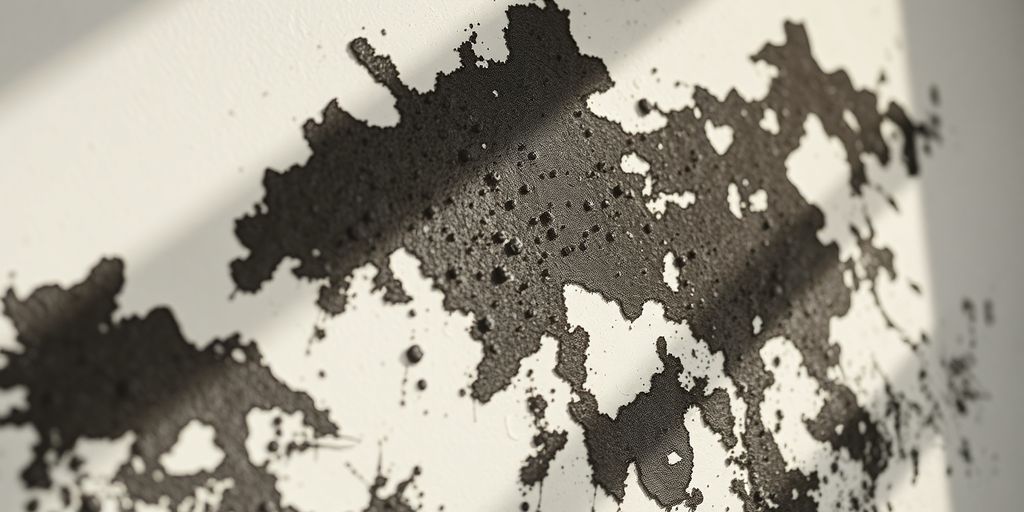
When floods hit, they don’t just leave water behind. They bring along a host of problems, and mold is one of the biggest headaches. Floodwaters can seep into every nook and cranny, creating the perfect breeding ground for mold. Standard homeowners insurance policies usually won’t cover mold damage from floods. So, if you’re in an area where floods are common, it’s smart to look into flood insurance. This type of insurance can help cover the costs of cleaning up mold after a flood, saving you from a financial mess.
Obtaining Separate Flood Insurance
Getting flood insurance isn’t just about peace of mind; it’s about protecting your wallet. You typically need to buy this insurance separately because most regular home insurance policies don’t include it. The National Flood Insurance Program (NFIP) is a popular choice, but there are other options out there too. It’s worth chatting with your insurance agent to find the best plan for your needs. Remember, having flood insurance means you’re not alone when dealing with the aftermath of a flood.
Protecting Your Home in Flood-Prone Areas
Living in a flood-prone area means taking extra steps to keep your home safe. Here are a few tips:
- Elevate your appliances: Keep things like your furnace and water heater off the ground to avoid water damage.
- Seal your basement: Make sure your basement is waterproofed to prevent water from seeping in.
- Install a sump pump: A sump pump can help keep your basement dry by pumping out water that collects there.
Taking these precautions not only helps protect your home but also reduces the risk of mold growth after a flood. And if mold does sneak in, having flood insurance can make dealing with it a lot less stressful.
Flood insurance plays a crucial role in protecting your home from mold damage. When water enters your home, it can lead to mold growth, which can be harmful to your health and costly to remove. Having flood insurance can help cover the costs of repairs and mold remediation, ensuring your home stays safe and healthy. Don’t wait until it’s too late! Visit our website to learn more about how we can help you with flood insurance and mold coverage.
Wrapping Up: Mold Insurance Coverage
So, there you have it. Mold insurance coverage isn’t as straightforward as we’d all like it to be. It’s a bit of a mixed bag. Sometimes you’re covered, sometimes you’re not. It really depends on the specifics of your policy and how the mold came to be. If it’s from something sudden like a burst pipe, you might be in luck. But if it’s from neglect, like a slow leak you ignored, well, that’s on you. The key takeaway? Know your policy inside and out. Talk to your insurance agent, ask questions, and make sure you’re covered for what matters to you. And remember, prevention is your best friend. Keep your home dry and well-maintained to avoid mold headaches in the first place. It’s all about being prepared and staying informed. Good luck, and may your home stay mold-free!
Frequently Asked Questions
Does homeowners insurance cover all types of mold damage?
Homeowners insurance might cover mold damage if it’s caused by something sudden and accidental, like a burst pipe. However, it usually doesn’t cover mold from long-term leaks or poor maintenance.
What should I do if I find mold in my house?
If you spot mold, take pictures and notes about where and how much there is. Then, contact your insurance company to find out if you’re covered and what steps to take next.
Can renters get insurance for mold damage?
Yes, renters can get insurance that covers mold damage to their belongings. But, it might not cover damage to the building itself. It’s important to check your policy details.
Is mold damage from floods covered by regular homeowners insurance?
No, regular homeowners insurance usually doesn’t cover mold from floods. You would need separate flood insurance for that kind of protection.
How can I prevent mold in my home?
Keep your home dry by fixing leaks quickly, using dehumidifiers, and ensuring good air flow. Regularly check areas that might get wet, like basements and bathrooms.
What if my mold claim is denied?
If your claim is denied, review your policy to understand why. You may need to provide more evidence or work with a professional to appeal the decision.