If you’re thinking about becoming a water damage restoration technician, there’s a lot to know. It’s not just about cleaning up water; it’s about having the right skills to get the job done right. From using the right tools to talking with clients, there’s a lot that goes into being good at this job. Let’s take a closer look at the skills you need to succeed.
Key Takeaways
- Learn how to use industry-standard tools like dehumidifiers and moisture meters.
- Develop strong problem-solving skills to handle unexpected water damage scenarios.
- Communicate effectively with clients and insurance companies for smooth project execution.
- Manage your time well to handle multiple projects and meet deadlines.
- Stay updated with certifications and continuous training for credibility and job opportunities.
Technical Expertise in Water Damage Restoration
Understanding Industry-Standard Equipment
In the world of water damage restoration, knowing your tools inside out is a must. Industry-standard equipment like dehumidifiers, moisture meters, and air movers are your best friends. These tools help you gauge the extent of water damage and begin the drying process effectively. Imagine walking into a home with a moisture meter in hand, ready to pinpoint exactly where the water has seeped in. It’s like having a roadmap to guide your restoration efforts. Without this knowledge, you’d be lost in the chaos of water damage.
Mastering Water Extraction Techniques
Water extraction is where the real magic happens. It’s not just about getting rid of water; it’s about doing it efficiently and thoroughly. You need to understand the different methods of extraction, from using submersible pumps for standing water to employing wet vacuums for smaller areas. Each scenario demands a unique approach. Mastering these techniques ensures you leave no water behind, reducing the risk of mold growth and further damage.
Implementing Advanced Drying Methods
Once the water is out, the drying begins. This isn’t just setting up a few fans and hoping for the best. Advanced drying methods involve strategic placement of air movers and dehumidifiers to ensure even drying. Sometimes, you might need to use injectidry systems to target moisture trapped in walls or ceilings. It’s about creating the perfect environment for moisture to evaporate quickly and thoroughly. This step is crucial to restoring the property to its pre-damage state.
The key to successful water damage restoration is understanding that each step, from equipment usage to drying methods, plays a vital role in the overall process. Overlooking any part can lead to incomplete restoration, leaving the property vulnerable to future issues.
For those in Ashburn, Virginia, having a reliable water damage restoration service that understands these nuances can make all the difference in recovery and peace of mind.
Problem-Solving Skills for Complex Water Damage Situations
Analyzing Water Damage Scenarios
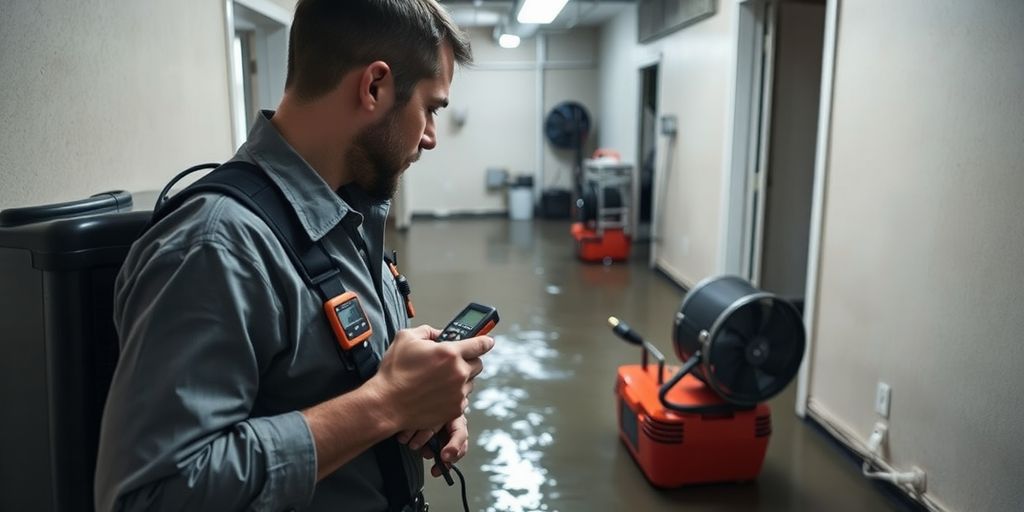
When faced with water damage, the first step is to thoroughly assess the situation. Understanding the extent and specific type of damage is crucial. For example, is it caused by a burst pipe, a flood, or something else? This helps in deciding the right approach. Professionals often use moisture meters and thermal imaging cameras to get accurate readings. These tools help in identifying hidden moisture pockets that might not be visible to the naked eye.
Developing Effective Restoration Plans
Once you have a clear picture of the damage, the next task is to develop a solid plan. A well-thought-out restoration plan considers the type of materials affected, the level of saturation, and the potential for mold growth. It’s not just about drying things out; it’s about doing it the right way. This might involve using dehumidifiers, air movers, or even removing some materials if they’re too damaged to save.
Adapting to Unexpected Challenges
Water damage restoration is rarely straightforward. Sometimes, unforeseen issues pop up, like discovering mold behind walls or structural damage that wasn’t apparent initially. In such cases, technicians need to think on their feet, adapting their plans as needed. This might mean bringing in additional equipment or adjusting the timeline. Flexibility and quick decision-making are key.
In the world of water damage restoration, every scenario is unique. The ability to adapt and find creative solutions is what sets successful technicians apart.
Quick Tips for Handling Complex Water Damage:
- Always start with a detailed assessment.
- Use the right tools for accurate measurements.
- Keep communication open with clients about changes or delays.
- Be prepared to adjust plans as new information comes to light.
For those in Columbia, Maryland, knowing trusted brands for water damage restoration can be a game-changer, especially when dealing with insurance claims and ensuring reliable service.
Effective Communication in Water Damage Restoration
Communicating with Clients and Stakeholders
When you’re dealing with water damage, keeping everyone in the loop is key. Clear communication helps clients understand the process, timelines, and costs. It’s not just about explaining what’s happening; it’s about managing expectations and building trust. Make sure to listen to client concerns and address them promptly. This way, they feel involved and informed.
Collaborating with Insurance Companies
Working with insurance companies can be a bit of a maze, but it’s crucial for a smooth restoration process. You’ll need to provide detailed reports and documentation to ensure claims are processed efficiently. Accuracy here is your best friend. Miscommunication can lead to delays or even denied claims, so it’s vital to keep everything transparent and well-documented.
Building Professional Relationships
Networking within the industry is more than just exchanging business cards. It’s about creating lasting relationships that can benefit your career and your clients. Attend industry events, join professional associations, and stay in touch with contacts. Strong relationships can lead to new opportunities and collaborations, making your work in restoration more successful.
In the world of water damage restoration, communication isn’t just a skill—it’s a lifeline. By mastering this, technicians can navigate the complexities of restoration projects while ensuring client satisfaction and project success.
Time Management in Water Damage Restoration Projects
Prioritizing Tasks for Efficient Workflow
In water damage restoration, time is of the essence. Prioritizing tasks ensures that the most critical issues are addressed first. Start by assessing the extent of the damage, then tackle tasks like turning off the water supply and disconnecting electrical appliances. Once safety is ensured, move on to water extraction and drying. Creating a checklist can help keep track of tasks and ensure nothing is overlooked.
Meeting Tight Deadlines
Deadlines in restoration projects can be intense. To meet these, it’s important to have a clear plan and allocate resources wisely. Break down the project into smaller tasks and set realistic timelines for each. Use project management tools to track progress and adjust as needed. Remember, communication with the team is key to staying on schedule.
Balancing Multiple Projects Simultaneously
Handling multiple restoration projects at once requires skillful juggling. Keep a detailed calendar and prioritize projects based on urgency and resources available. Delegate tasks where possible and ensure each team member knows their responsibilities. Regular check-ins can help manage workloads and prevent burnout. It’s about maintaining a balance to ensure all projects are completed efficiently.
Certifications and Training for Water Damage Restoration Technicians
Importance of IICRC Certification
For anyone serious about water damage restoration, getting certified is a big deal. The Institute of Inspection, Cleaning and Restoration Certification (IICRC) offers a well-known certification called the Water Restoration Technician (WRT). This certification isn’t just a piece of paper. It’s a way to show that you know your stuff when it comes to dealing with water damage. When you have an IICRC certification, it tells clients and employers that you’re committed to doing the job right. It’s like a badge of honor in the industry, proving that you can handle water damage situations with skill and professionalism.
Pursuing Continuous Education
The learning doesn’t stop once you get certified. Continuous education is key in this field. Water damage restoration techniques and technologies keep evolving, so staying updated is crucial. Think of it like this: the more you learn, the better you get at your job. Attending workshops, seminars, and courses can keep you on top of the latest trends and methods in restoration. This ongoing learning not only boosts your confidence but also enhances your ability to tackle various water damage scenarios effectively.
Enhancing Credibility and Employability
Having the right certifications can significantly boost your job prospects. Employers often look for certified technicians because they bring a level of trust and reliability to the table. Being certified can open doors to more job opportunities and potentially higher pay. Plus, it can make you stand out in a crowded job market. It’s not just about having the skills; it’s about proving you have them through recognized certifications. This credibility can make all the difference when you’re looking to advance your career in water damage restoration.
Networking and Experience Building in the Restoration Industry
Joining Industry Associations
Getting involved with industry associations is a great way to start building your network. These associations often host events, seminars, and workshops, providing ample opportunities to meet and connect with other professionals. Being part of such groups can open doors to new opportunities and collaborations. Plus, you get to stay updated on the latest trends and technologies in the field.
Gaining Practical Experience
While networking is crucial, nothing beats hands-on experience. Look for internships or entry-level positions where you can learn the ropes of the business. Working directly on projects allows you to understand the nuances of the job and develop skills that are only honed through practice. Practical experience not only boosts your confidence but also makes you more attractive to potential employers.
Showcasing Successful Projects
Once you’ve got some experience under your belt, it’s important to showcase your work. Create a portfolio of your successful projects to share with potential clients or employers. This not only highlights your skills but also demonstrates your ability to deliver results. A well-documented project can speak volumes about your capabilities and dedication to quality work.
Building a career in the restoration industry isn’t just about what you know—it’s about who you know and what you’ve done. Networking and gaining experience go hand in hand, paving the way for a successful and rewarding career.
For more insights into the tools and techniques used in water damage restoration, check out this resource.
Safety and Risk Management in Water Damage Restoration
Implementing Safety Procedures
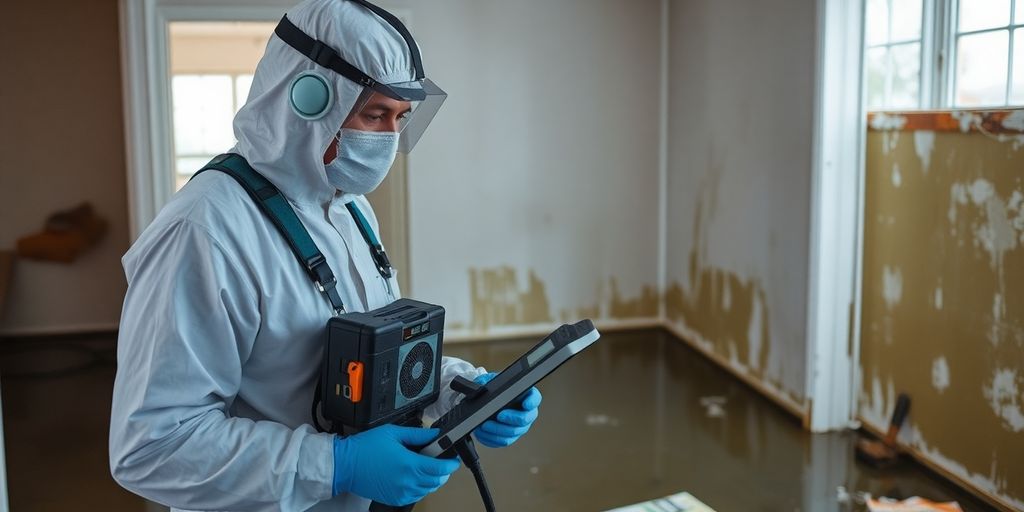
In water damage restoration, safety is not just a formality—it’s a necessity. Proper safety procedures help prevent injuries and reduce risks on site. Technicians should always wear protective gear such as gloves, masks, and boots to protect against contaminants and hazards. It’s crucial to conduct a thorough risk assessment before starting any project. This involves identifying potential dangers like electrical hazards, structural instability, and exposure to harmful substances. Regular safety training sessions are also essential to keep the team updated on the latest safety protocols.
Minimizing Risks on the Job
Minimizing risks involves proactive planning and continuous monitoring. Create a checklist of potential risks and corresponding mitigation strategies. Some common risks include:
- Electrical hazards: Ensure all electrical systems are shut off before beginning work.
- Slip and fall accidents: Use non-slip mats and ensure the area is well-lit.
- Exposure to mold and bacteria: Use air purifiers and maintain proper ventilation.
By addressing these risks, technicians can maintain a safer work environment, reducing the likelihood of accidents.
Understanding Legal Requirements
Understanding the legal landscape is vital for any restoration business. Compliance with local, state, and federal regulations ensures that operations run smoothly and legally. Familiarize yourself with OSHA guidelines and any specific environmental regulations that apply to your area. Documentation is key—keep detailed records of all safety measures and incidents. This not only protects your team but also strengthens your company’s credibility and reliability.
Safety in water damage restoration is not just about following rules; it’s about creating a culture of vigilance and care. When everyone on the team is committed to safety, it leads to more efficient and effective restoration projects.
Staying Updated with Technology in Water Damage Restoration
Embracing New Tools and Techniques
In the fast-paced world of water damage restoration, staying current with new tools and techniques is a must. Embracing innovation can significantly improve efficiency and outcomes. Whether it’s using high-tech moisture meters or advanced drying equipment, technicians need to be comfortable with the latest gadgets. It’s not just about having the tools but knowing how to use them effectively.
Leveraging Technology for Efficiency
Technology is a game-changer in making restoration work more efficient. Software solutions can streamline project management and documentation. For instance, digital platforms can help in tracking job progress, managing resources, and maintaining communication with clients. These tools not only save time but also enhance accuracy, ensuring every detail is accounted for during restoration.
Keeping Up with Industry Trends
The restoration industry is constantly evolving, with new trends emerging regularly. Staying informed about these trends is crucial for any technician aiming for success. This might involve subscribing to industry publications, attending workshops, or participating in online forums. By joining industry associations like Ruach Home Services, technicians can stay ahead of the curve, ensuring they are always ready to tackle the latest challenges in water damage restoration.
"Staying updated isn’t just about technology; it’s about mindset. Being open to change and eager to learn keeps you at the forefront of the industry."
Keeping up with the latest technology in water damage restoration is essential for effective service. At Ruach Home Services, we use advanced tools and techniques to ensure your home is restored quickly and safely. Don’t wait until it’s too late—visit our website today to learn more about how we can help you!
Conclusion
In the world of water damage restoration, having the right skills can make all the difference. From understanding the technical aspects of the job to being able to communicate effectively with clients, each skill plays a vital role in ensuring successful restoration projects. It’s not just about fixing what’s broken; it’s about being prepared, staying informed, and continuously learning. As you build your career, remember that certifications and hands-on experience are your best allies. The industry is always changing, so keep up with new technologies and methods. With dedication and the right approach, you can thrive in this field and make a real impact on people’s lives.
Frequently Asked Questions
What tools do water damage technicians use?
Water damage technicians use tools like dehumidifiers, moisture meters, and air movers to dry out spaces and measure moisture levels.
Why is communication important in water damage restoration?
Good communication helps technicians explain the process to clients, work with insurance companies, and ensure everyone understands the plan.
How do technicians handle unexpected challenges?
They use problem-solving skills to adapt and find solutions, ensuring the restoration process stays on track even when surprises happen.
What certifications should a water damage technician have?
Technicians often get certified by the IICRC, which offers courses like Water Restoration Technician (WRT) and Applied Structural Drying (ASD).
Why is time management important in restoration projects?
Time management helps technicians prioritize tasks, meet deadlines, and handle multiple projects efficiently.
How do technicians stay safe on the job?
By following safety procedures, wearing protective gear, and understanding legal requirements to minimize risks.