Mold in your home can be a real headache. It’s not just unsightly; it can also pose health risks. But don’t worry, dealing with mold isn’t as daunting as it seems. With the right steps and precautions, you can tackle this issue yourself. This guide will walk you through the process of mold remediation, ensuring your home stays safe and clean.
Key Takeaways
- Understand what mold is and why it grows in homes.
- Always prioritize safety by wearing protective gear during mold cleanup.
- Identify and fix moisture problems to prevent future mold growth.
- Use proper cleaning techniques and tools for effective mold removal.
- Consider calling a professional if the mold damage is extensive.
Understanding Mold and Its Causes
What is Mold and Why It Grows
Mold is a type of fungus that thrives in moist, oxygen-rich environments. It’s everywhere around us, but becomes a problem when it starts growing indoors. Mold releases tiny spores into the air, which can settle and grow on various surfaces like drywall, wood, and even fabrics. These spores are invisible to the naked eye, making it hard to detect mold until it’s already established. Mold needs moisture to grow, so you’ll often find it in damp areas like bathrooms, basements, or anywhere with water damage.
Common Causes of Mold in Homes
Mold growth in homes usually stems from excessive moisture. Here are some common culprits:
- Leaky Roofs and Pipes: Water leaks can create damp conditions perfect for mold.
- Poor Ventilation: Areas without proper airflow can trap moisture, leading to mold.
- Flooding: After a flood, moisture can seep into walls and floors, encouraging mold growth.
It’s important to address these issues promptly to prevent mold from taking hold.
Health Risks Associated with Mold
Mold isn’t just unsightly; it can also pose serious health risks. People exposed to mold may experience:
- Respiratory issues like coughing and sneezing
- Skin irritations or rashes
- Severe headaches and fatigue
Individuals with asthma, allergies, or weakened immune systems are particularly vulnerable. Even pets can suffer from mold exposure. If you suspect mold in your home, it’s crucial to address it quickly to protect your health and well-being.
Mold can be more than just a nuisance; it can affect your health and comfort in your own home. Taking steps to prevent and manage mold growth is essential for a safe living environment. For professional mold remediation services, consider Ruach Home Services, who offer thorough inspections and effective mold removal techniques.
Essential Safety Precautions for Mold Remediation
Personal Protective Equipment You Need
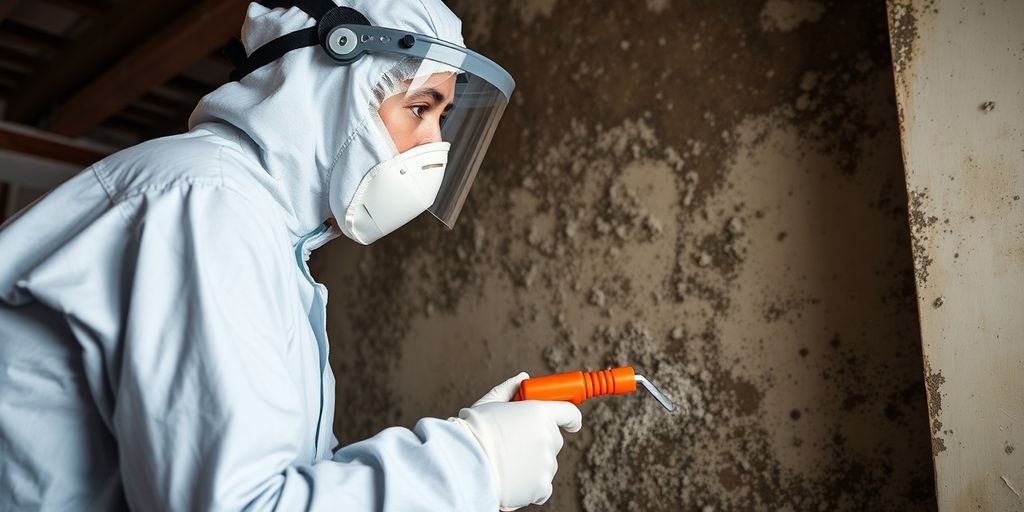
When dealing with mold, safety is your top priority. Mold spores can be harmful, so make sure you’re well-protected. Here’s what you need:
- Goggles: Prevent spores from reaching your eyes by wearing goggles that seal against your face.
- Gloves: Opt for long rubber gloves that cover your wrists to keep mold and cleaning agents off your skin.
- Respirator Mask: A HEPA respirator mask will filter out dangerous spores, protecting your lungs.
- Disposable Clothing: Wear old clothes you can wash immediately or disposable coveralls you can discard after use.
How to Properly Seal Off Affected Areas
Sealing off the area is crucial to stop mold spores from spreading to other parts of your home. Here’s how to do it:
- Seal with Plastic Sheeting: Use plastic sheeting and tape to cover doors, vents, and windows.
- Create Negative Pressure: Set up a fan to blow air out a window, preventing spores from drifting into clean areas.
- Bag Contaminated Items: Items like rags and clothing that have touched mold should be sealed in bags before disposal.
Creating a Safe Working Environment
A safe environment is key for effective mold remediation. Follow these steps:
- Ensure Proper Ventilation: During cleanup, it’s essential to have proper ventilation to prevent the spread of mold spores.
- Suppress Dust: Mist the area lightly with water to keep dust and spores from becoming airborne.
- Remove Affected Materials: Carefully remove and dispose of moldy materials like drywall or carpeting.
Remember, tackling mold isn’t just about cleaning; it’s about doing it safely. Protect yourself and your home by following these precautions.
Identifying and Assessing Mold Damage
How to Spot Mold in Your Home
Finding mold in your home can be tricky because it often hides in places you don’t regularly check. Mold loves damp and dark spots, so start by looking in areas like basements, bathrooms, and under sinks. You might notice a musty smell or see discolored patches on walls, ceilings, or floors. Pay close attention to spots that have been exposed to water or moisture, as these are prime real estate for mold growth.
Assessing the Extent of Mold Damage
Once you’ve found mold, the next step is figuring out just how much of it there is. Mold might not be just in one spot; it can spread behind walls or under carpets. To get a good idea of the spread, you might need to remove some drywall or lift up carpeting. This is where it can get a bit complicated, and sometimes calling in a professional is the best move. They have the tools to detect moisture and mold behind surfaces without causing too much disruption.
When to Call a Professional
There are times when dealing with mold yourself just isn’t enough. If the mold covers a large area, or if it’s in your HVAC system, it’s time to bring in the pros. They have specialized equipment and expertise to handle the situation safely and effectively. Plus, they can help you with documenting the damage for insurance purposes, which is crucial if you’re dealing with a significant issue. Remember, your health and safety come first, so don’t hesitate to get professional help if you’re unsure.
Step-by-Step Mold Remediation Process
Preparing the Area for Cleanup
Before diving into the actual cleanup, it’s important to set the stage for a safe and effective mold removal. Start by wearing the right gear—think gloves, goggles, and a mask to protect yourself from harmful mold spores. Isolate the affected area by sealing it off with plastic sheeting to prevent spores from spreading to other parts of the house. Make sure to turn off any HVAC systems to avoid circulating spores through the air.
Effective Mold Removal Techniques
Once your area is prepped, it’s time to tackle the mold. Begin by suppressing dust with a light mist of water. This keeps spores from becoming airborne. Remove any materials that are too damaged to be cleaned, like drywall or carpeting, and dispose of them in heavy-duty plastic bags. For surfaces that can be cleaned, scrub them with a detergent solution using a stiff brush. If you’re dealing with a large area or persistent mold, consider using a HEPA vacuum to capture tiny spores.
Cleaning and Disinfecting Surfaces
After removing the mold, cleaning and disinfecting is crucial to ensure it doesn’t return. Use a damp cloth with a detergent solution to wipe down all surfaces. For extra assurance, apply a mold-killing solution or biocide to the cleaned areas. This step not only kills any remaining spores but also helps prevent future growth. Finally, ensure the area is thoroughly dried using fans or dehumidifiers, as moisture is mold’s best friend.
Remember, thoroughness in cleaning and drying is key to preventing mold from making a comeback. If you’re unsure about handling extensive mold damage, don’t hesitate to reach out to a professional.
Preventing Future Mold Growth
Fixing Moisture Problems
The first step in preventing mold is addressing moisture issues. Mold thrives in damp conditions, so it’s crucial to identify and fix any water leaks or condensation problems. Start by inspecting your home for leaks in roofs, pipes, and windows. If you find any, repair them promptly. Also, consider installing a dehumidifier in areas prone to moisture, like basements or bathrooms. Keeping humidity levels below 60% can significantly reduce mold growth.
Improving Home Ventilation
Proper ventilation is key to keeping mold at bay. Make sure your home has adequate airflow, especially in areas like kitchens and bathrooms where moisture accumulates. Use exhaust fans or open windows to let moisture escape. If possible, consider an energy-efficient ventilation system to help maintain air circulation throughout your home. This not only helps in preventing mold but also improves overall air quality.
Regular Home Inspections for Mold
Routine inspections can help catch mold before it becomes a major problem. Schedule regular checks, particularly in areas that are often damp or have had mold issues before. Look for signs like discoloration or musty odors, which could indicate mold presence. By staying vigilant, you can address potential mold problems early, saving you time and effort in the long run.
Regular maintenance and vigilance are your best defenses against mold. By addressing moisture issues, ensuring proper ventilation, and conducting routine inspections, you can keep your home mold-free and healthy.
Tools and Materials Needed for Mold Remediation
Essential Cleaning Supplies
When tackling mold, having the right cleaning supplies is a must. Spray bottles are handy for applying cleaning solutions evenly across surfaces. You’ll want a variety of scrub brushes; different sizes can help you reach tight spots and tackle stubborn mold. Keep a stash of rags or sponges for wiping surfaces clean. Don’t forget buckets for mixing and carrying cleaning solutions.
Protective Gear for Safe Mold Removal
Safety first! Mold can be hazardous, so gear up. Wear goggles to protect your eyes from spores. Long rubber gloves are essential to keep your hands safe from mold and cleaning chemicals. A HEPA respirator mask is crucial to filter out harmful spores, protecting your lungs. Consider disposable coveralls or old clothes that can be washed immediately after cleaning.
Using HEPA Filters and Vacuums
HEPA filters are a key component in mold remediation. They trap small particles, preventing spores from spreading. Use a HEPA vacuum to clean all surfaces thoroughly. This type of vacuum ensures that any spores stirred up during cleaning are captured, helping maintain a safe environment.
Mold remediation isn’t just about removing visible mold. It’s about ensuring the air quality is safe and preventing future growth. Proper tools and materials make all the difference in achieving a mold-free home.
Evaluating the Success of Mold Remediation
Conducting a Post-Remediation Inspection
After all the hard work of removing mold, you need to make sure it’s gone for good. A post-remediation inspection is your first step. This involves a detailed check of the area where the mold was cleaned. You’re looking for any signs of mold that might have been missed. But it’s not just about what you can see. You should also check for any musty smells that could indicate hidden mold.
Signs of Successful Mold Removal
So, how do you know if you’ve done a good job? Here are some signs that your mold removal was successful:
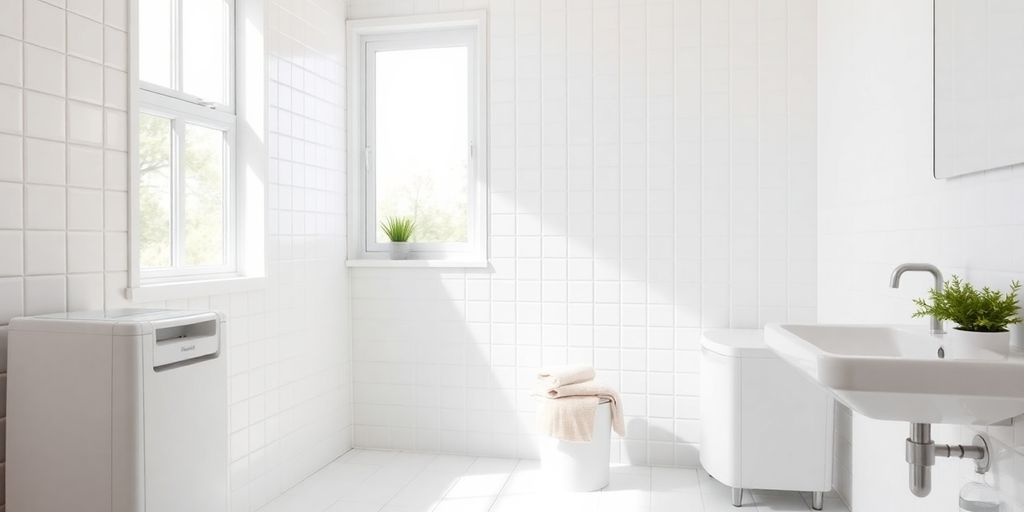
- No Visible Mold: This might seem obvious, but if you can’t see any mold, that’s a good sign you’ve dealt with the problem.
- No Musty Odors: A lingering musty smell could mean there’s still mold hiding somewhere.
- No Health Issues: If you or anyone in your home had health problems related to mold, like allergies or respiratory issues, these should improve once the mold is gone.
When to Consider Additional Testing
Sometimes, you might need to go a step further to be sure the mold is completely gone. This is where additional testing comes in. You might want to bring in a professional to test the air for mold spores. This is especially important if the mold problem was severe. Air testing can help confirm that the mold hasn’t spread to other parts of your home.
"Even if everything looks good, it’s worth considering additional testing to ensure your home is safe and mold-free."
These steps are key to making sure your mold problem is truly resolved. If you’re unsure about anything, don’t hesitate to reach out to a professional for advice. The mold remediation industry is rapidly advancing, introducing innovative technologies and methods to address mold problems more efficiently. Keeping up with these advancements can help ensure your home stays mold-free.
When it comes to checking if mold removal worked, it’s important to look for signs of mold returning and to ensure the area is dry and clean. If you want to make sure your home stays safe and healthy, visit our website for expert help and tips on mold remediation. Don’t wait—take action today!
Wrapping It Up: Your Mold-Free Home Awaits
So there you have it, folks. Tackling mold in your home might seem like a daunting task, but with the right steps, it’s totally doable. Remember, the key is to act fast and be thorough. Make sure you fix any moisture issues first, suit up with the right gear, and follow the cleaning steps carefully. If at any point it feels too much, don’t hesitate to call in the pros. Your health and safety come first. With a bit of elbow grease and patience, you can reclaim your space and breathe easy again. Happy cleaning!
Frequently Asked Questions
What is mold and why does it grow in homes?
Mold is a type of fungus that grows in damp or wet areas. It thrives in places with moisture, such as bathrooms, basements, or anywhere there’s a water leak.
How can mold affect my health?
Mold can cause allergic reactions, respiratory problems, and other health issues, especially for those with asthma or allergies.
What should I wear when cleaning mold?
Wear protective gear like gloves, goggles, and a mask to prevent breathing in mold spores and to protect your skin.
Can I remove mold myself, or do I need a professional?
You can remove small mold patches yourself, but for large or toxic mold problems, it’s best to call a professional.
How can I prevent mold from coming back?
Fix any leaks, keep areas dry, and ensure good ventilation to prevent mold from returning.
What are the signs that I need to call a professional for mold removal?
If you see a large mold area, smell a strong musty odor, or experience health issues, it’s time to call a professional.