Making your home energy-efficient in 2025 doesn’t have to be a daunting task. With technology advancing and eco-friendly options becoming more accessible, creating a smart, efficient home is easier than ever. Whether you’re planning to upgrade or build from scratch, these tips will help you save energy, reduce costs, and create a more sustainable living space.
Key Takeaways
- Install a smart thermostat to optimize your home’s heating and cooling while cutting down on energy use.
- Switch to energy-efficient appliances to save on electricity and water bills.
- Invest in solar panels to generate renewable energy and reduce dependency on the grid.
- Upgrade to LED lighting for long-lasting and energy-saving illumination.
- Ensure proper insulation to maintain a comfortable indoor temperature year-round.
1. Smart Thermostat
Smart thermostats are more than just a gadget—they’re a game-changer for optimizing your home’s energy use. By learning your habits and adjusting temperatures automatically, they can save you money without sacrificing comfort.
Why Consider a Smart Thermostat?
- Energy Savings: These devices can reduce heating and cooling costs by up to 15% annually.
- Remote Access: Control your home’s temperature from anywhere using a smartphone.
- Automation: Many models learn your routine and adapt to your schedule.
Key Features to Look For
- Compatibility with your HVAC system.
- Energy usage reports to track savings.
- Geofencing to adjust settings based on your location.
Quick Tip
A smart thermostat isn’t just about convenience. It’s a step towards a more sustainable home, helping you cut down on energy waste while keeping your space cozy.
For more guidance on finding the perfect thermostat, check out this guide to evaluate your heating and cooling needs.
2. Energy-Efficient Appliances
Switching to energy-efficient appliances is one of the smartest moves you can make for your home. These devices are designed to use less electricity while still performing just as well—if not better—than their older counterparts. The upfront cost might be higher, but over time, the savings on your utility bills will more than make up for it.
Tips for Choosing Energy-Efficient Appliances
- Look for the ENERGY STAR label: This certification guarantees that the appliance meets federal energy efficiency standards.
- Consider long-term savings: While the price tag might seem steep, think about the reduced energy costs over the lifespan of the appliance.
- Match the size to your needs: Oversized appliances can waste energy. For instance, a smaller refrigerator might be perfect for a couple, while a family might need something larger.
- Check the energy guide label: This yellow label shows you the estimated annual energy use and operating cost, making it easier to compare models.
Common Energy-Efficient Appliances
- Refrigerators: Modern models use significantly less energy than older ones.
- Washing Machines: Many energy-efficient washers use cold water settings effectively, saving both water and energy.
- Dishwashers: Opt for models with eco-friendly cycles to cut down on water and electricity usage.
Investing in energy-efficient appliances is not just about cutting costs—it’s about reducing your carbon footprint and making your home more sustainable.
3. Solar Panels
Investing in solar panels is a game-changer for anyone serious about cutting energy costs and reducing their carbon footprint. These panels work by converting sunlight into electricity through the photovoltaic process. Once installed, they require minimal maintenance and can last for decades.
Benefits of Solar Panels
- Lower Energy Bills: Solar panels generate electricity for your home, reducing reliance on the grid.
- Eco-Friendly: They help cut greenhouse gas emissions by using renewable energy.
- Long-Term Savings: While the upfront costs can be steep, the long-term savings on electricity bills make it worthwhile.
Key Considerations
- Initial Investment: Be prepared to spend between $14,000 and $22,000 before tax incentives.
- Sunlight Exposure: Homes in sunny areas will see the most benefit.
- Maintenance: Panels need occasional cleaning but are otherwise hassle-free.
Solar panels are not just an upgrade; they’re a commitment to a sustainable future. Think of them as an investment in both your home and the planet.
For those planning a kitchen remodel, incorporating solar energy into your design could complement other energy-efficient upgrades. Check out premium kitchen remodeling projects for inspiration.
4. LED Lighting
Switching to LED lighting is one of the easiest and most cost-effective ways to make your home more energy-efficient. LED bulbs use up to 75% less energy than traditional incandescent bulbs and last significantly longer, often up to 25 times more. This means fewer replacements and lower energy bills over time.
Steps to Choose the Right LED Bulbs
- Look for the ENERGY STAR Label: This ensures the bulb meets high energy-efficiency standards.
- Determine Brightness in Lumens: Unlike incandescent bulbs, LEDs are measured in lumens, not watts. A higher lumen count means brighter light.
- Match the Bulb to Its Purpose: Check the packaging to ensure compatibility for dimming, outdoor use, or enclosed fixtures.
- Pick a Light Color: Choose from warm (yellowish) to cool (bluish) tones based on your room’s ambiance.
Additional Tips for Maximizing Efficiency
- Install dimmer switches to control light levels and extend bulb life.
- Use smart switches or motion sensors to automate lighting based on usage.
- Consider timer plugs or photocells for outdoor lights to save energy when not needed.
Upgrading to LED lighting isn’t just about saving energy—it’s about creating a home that works smarter, not harder. Small changes can lead to big savings in the long run.
For professional installation or advice on lighting design, consider reaching out to Ruach Home, known for their expertise in lighting and fixture installation as part of their home remodeling services.
5. Insulation
Insulation is one of those things you don’t think about until you’re freezing in winter or sweating buckets in summer. But here’s the deal: proper insulation can save you a ton on energy bills while keeping your home comfy all year round. It’s like giving your house a cozy sweater that works in every season.
Why Insulation Matters
- Energy Efficiency: Insulation helps maintain a steady indoor temperature, so your heating and cooling systems don’t have to work overtime.
- Reduced Costs: By minimizing heat loss in winter and heat gain in summer, you’ll see lower utility bills.
- Comfort: No more drafty rooms or hot spots—just a home that feels "just right."
Common Areas to Insulate
- Attics: This is a major culprit for heat loss. Experts recommend 10–14 inches of insulation up there.
- Walls: Both interior and exterior walls benefit from insulation to keep the weather outside.
- Floors: Especially if you have an unheated basement or crawl space.
- Doors and Windows: Use weatherstripping to seal gaps and prevent air leaks.
Tips for Insulating Effectively
- Seal First: Before adding insulation, make sure to seal any air leaks around windows, doors, and vents. Think of it as patching up holes in a boat before you set sail.
- Choose the Right Material: Depending on your climate, certain insulation types work better than others. For instance, spray foam is great for sealing small gaps, while fiberglass batts are ideal for larger spaces.
- Think Moisture Control: Use vapor barriers in areas prone to humidity to prevent mold and keep your insulation working longer.
A well-insulated home isn’t just about comfort—it’s an investment in energy savings and a smaller carbon footprint.
Maximize insulation effectiveness by utilizing natural sunlight. Open curtains on south-facing windows during the day to let the sun naturally warm your space. It’s a simple, no-cost way to boost your home’s efficiency.
6. Energy-Efficient Windows
Energy-efficient windows are a game-changer when it comes to reducing energy costs and improving home comfort. These windows are designed to minimize heat transfer, keeping your home cozy in winter and cool in summer. They’re an investment that pays off in the long run through lower energy bills.
Key Features to Look For:
- Double or Triple Glazing: Multiple panes of glass with insulating gas in between reduce heat transfer.
- Low-E Coatings: A special coating that reflects heat while letting light in.
- UV Protection: Protects interiors from fading while maintaining energy efficiency.
- Tight Seals: Prevents drafts and air leaks.
Benefits of Energy-Efficient Windows:
- Lower energy bills by reducing heating and cooling needs.
- Improved indoor comfort with consistent temperatures.
- Noise reduction for a quieter home.
- Reduced glare while maintaining natural light.
| Feature | Benefit |
|---|---|
| Double Glazing | Reduces heat loss |
| Low-E Coating | Reflects heat, saves energy |
| UV Protection | Protects interiors, saves energy |
| Tight Seals | Prevents drafts, boosts comfort |
Installing energy-efficient windows might feel like a big upfront cost, but the savings on energy bills and the added comfort make it worthwhile.
For example, Harvey Tribute windows combine style, performance, and sustainability, making them a top choice for 2025. They’re a smart pick for anyone looking to upgrade their home’s efficiency.
7. Weatherproofing
Weatherproofing is all about sealing your home tightly against the elements, making it more energy-efficient and comfortable year-round. Drafts and leaks are like leaving a window open all year long—they let your money fly out the door. Here’s how to tackle it:
Why Weatherproofing Matters
- Energy Savings: By sealing gaps and cracks, you reduce the strain on your heating and cooling systems, cutting energy bills by up to 20%.
- Comfort: Keeps your home cozy in winter and cool in summer.
- Longevity: Protects your home’s structure from moisture and air damage.
Steps to Weatherproof Your Home
- Seal Doors and Windows:
- Insulate the Attic:
- Inspect and Seal Air Ducts:
- Check for Hidden Gaps:
Quick Weatherproofing Wins
- Clean sliding door tracks to ensure a tight seal.
- Add adhesive-backed foam strips to windows for an easy fix.
- Use draft stoppers for under-door gaps.
Taking these steps not only saves energy but also makes your home a more pleasant place to live. A little effort today can pay off in comfort and savings tomorrow.
For more extensive projects, like drywall installation and finishing, consider consulting professionals to ensure a smooth and efficient process.
8. Ventilation Systems
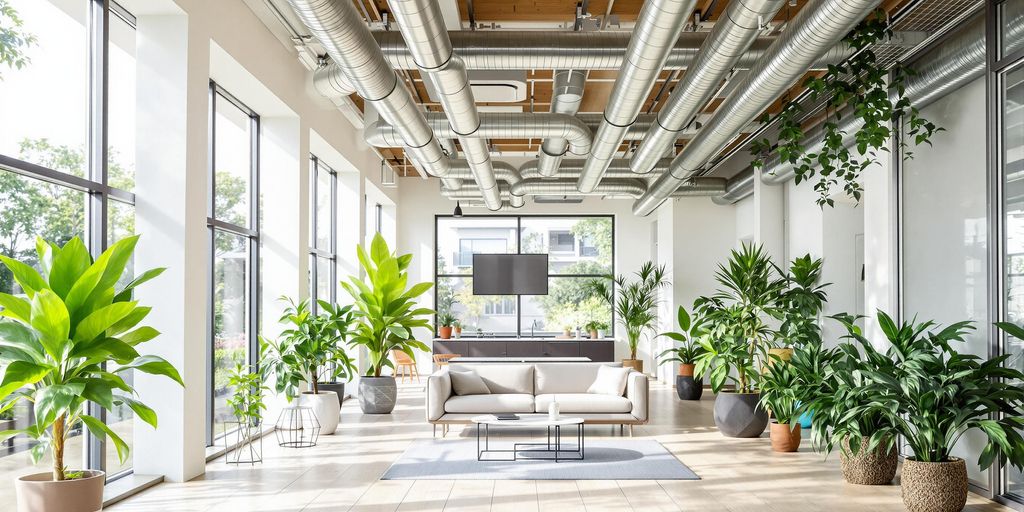
When it comes to creating an energy-efficient home, one often overlooked aspect is proper ventilation. A well-thought-out ventilation system isn’t just about comfort—it’s about maintaining air quality and saving energy. Good airflow can drastically reduce the need for heating and cooling appliances, cutting down your energy bills in the long run.
Benefits of a Proper Ventilation System
- Improved Air Quality: Filters out pollutants and keeps the air fresh inside your home.
- Energy Savings: Reduces the overuse of HVAC systems by maintaining a balanced indoor climate.
- Moisture Control: Helps prevent mold and mildew by regulating humidity levels.
Types of Ventilation Systems
- Natural Ventilation: Relies on strategically placed windows and vents to allow air to flow naturally. This is the simplest and most eco-friendly option.
- Mechanical Ventilation: Uses fans and ducts to circulate air. These systems can include heat recovery ventilators (HRVs) or energy recovery ventilators (ERVs) to maximize efficiency.
- Hybrid Systems: Combines natural and mechanical methods for optimal performance.
A well-designed ventilation system doesn’t just move air—it moves heat and moisture efficiently across your home’s structure, making it an integral part of any energy-efficient design.
If you’re considering remodeling or upgrading your home, you might want to explore custom solutions and luxury upgrades to ensure your ventilation system is both effective and tailored to your needs.
9. Energy Monitoring Systems
Energy monitoring systems are like the brains of an efficient home. They help you keep track of how much energy you’re using, where it’s going, and how you can cut back. Knowing your energy patterns can make a huge difference in reducing waste.
Benefits of Energy Monitoring Systems
- Real-time tracking: See exactly how much energy your home is consuming at any moment.
- Identify energy hogs: Spot which appliances or devices are using the most power.
- Cost savings: By understanding usage patterns, you can adjust habits and lower your utility bills.
Features to Look For
When shopping for an energy monitoring system, consider these features:
- Smart integration: Does it connect to your smart home setup?
- User-friendly interface: Is the app or display easy to understand?
- Detailed analytics: Does it provide insights into specific appliances or just overall usage?
Quick Tips for Maximizing Efficiency
- Set up alerts for unusual energy spikes. This could mean something is left on or needs maintenance.
- Pair the system with a smart thermostat for even more control over heating and cooling costs.
- Regularly review your energy reports to spot trends and adjust accordingly.
A good energy monitoring system is like having a personal coach for your home’s energy use. It helps you stay on track and meet your efficiency goals without much effort.
Looking to improve your home’s energy efficiency even more? America’s Bowie Home Services offers tailored solutions like HVAC upgrades and mold remediation to keep your home safe and comfortable.
10. Rainwater Harvesting
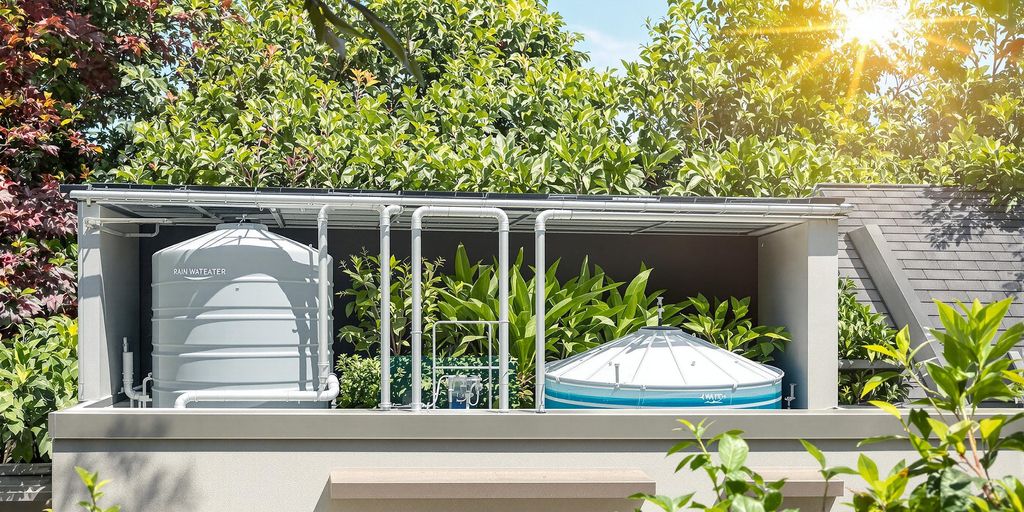
Rainwater harvesting is a straightforward yet impactful way to conserve water and lower your utility bills. By collecting and storing rainwater, you can use it for non-drinking purposes like watering plants, flushing toilets, and even washing your car. This eco-friendly system can cut your water usage by nearly 50%, making it an excellent step toward sustainable living.
Key Benefits of Rainwater Harvesting
- Cost Savings: Lower your water bills by reducing reliance on municipal water supplies.
- Environmental Impact: Help reduce strain on local water resources.
- Versatility: Use collected water for various household tasks.
How to Set Up a Rainwater Harvesting System
- Install gutters and downspouts to channel rainwater from your roof.
- Set up a storage tank or barrel to collect the water.
- Add a filtration system if you plan to use the water for more than just irrigation.
With a little effort, rainwater harvesting can transform how you use water at home, saving money and helping the planet.
For professional advice and affordable financing options on home upgrades, check out Ruach Home Services. They can guide you on integrating systems like rainwater harvesting into your home efficiently.
Rainwater harvesting is a smart way to collect and use rainwater for various needs, like watering plants or even flushing toilets. By capturing rainwater, you can save money on your water bill and help the environment. It’s easy to set up and can make a big difference in how you use water at home. If you’re interested in learning more about how to start rainwater harvesting, visit our website for tips and guidance!
Wrapping It All Up
Creating an efficient home in 2025 doesn’t have to be overwhelming. It’s about making smart choices that fit your lifestyle and budget. Whether it’s upgrading to energy-efficient appliances, sealing up drafts, or even just tweaking your daily habits, every little step counts. The goal isn’t perfection—it’s progress. By taking these tips to heart, you’re not just saving money on energy bills; you’re also doing your part for the planet. So, start small, stay consistent, and watch your home transform into a more efficient, comfortable space. Here’s to a greener, smarter future!
Frequently Asked Questions
What is a smart thermostat, and how does it save energy?
A smart thermostat learns your heating and cooling habits and adjusts the temperature automatically. It can also be controlled remotely, helping you save energy by reducing unnecessary heating or cooling when you’re not home.
Why are energy-efficient appliances worth the investment?
Energy-efficient appliances use less electricity and water compared to regular ones. While they might cost more upfront, they save money on utility bills over time and are better for the environment.
How do solar panels make a home more efficient?
Solar panels convert sunlight into electricity, reducing your need to rely on the power grid. Over time, they can lower your energy bills and reduce your carbon footprint.
What makes LED lighting more energy-efficient than traditional bulbs?
LED lights use up to 75% less energy and last much longer than traditional incandescent bulbs. They provide the same brightness while using less power.
How does insulation improve home energy efficiency?
Insulation keeps heat inside during winter and blocks it out during summer. This reduces the need for heating and cooling, making your home more comfortable and energy-efficient.
What are energy monitoring systems, and why should I consider one?
Energy monitoring systems track your home’s energy use in real-time. They help you identify areas where you can cut back, saving energy and lowering your bills.