When a fire damages your home, it can be a distressing experience. Finding the right fire damage contractors is crucial for restoring your property efficiently and safely. This guide will help homeowners understand what to look for in a contractor and how to navigate the restoration process after a fire.
Key Takeaways
- Fire damage contractors are trained to assess and restore properties affected by fire and smoke.
- Look for contractors who are licensed, insured, and have experience with complex restoration projects.
- Always check online reviews and ask for references to ensure you choose a reputable contractor.
- Understanding your insurance policy is key to managing claims related to fire damage restoration.
- Safety is paramount; make sure contractors handle hazardous materials like asbestos properly.
Understanding Fire Damage Contractors
What Do Fire Damage Contractors Do?
Fire damage contractors are professionals who specialize in restoring properties affected by fire. They handle various tasks, including:
- Assessing damage to determine the extent of repairs needed.
- Removing debris and hazardous materials, such as asbestos or mold.
- Restoring the property to its pre-loss condition, which may involve reconstruction and cleaning.
Key Qualifications to Look For
When choosing a fire damage contractor, consider the following qualifications:
- Licensing and insurance: Ensure they are licensed, bonded, and insured.
- Experience with complex projects: They should have a history of managing restoration projects that involve multiple parties.
- Knowledge of fire and water damage: Look for contractors who understand both fire and water damage restoration processes.
Common Services Offered
Fire damage contractors typically offer a range of services, including:
- Emergency response to secure the property and prevent further damage.
- Soot and smoke removal to eliminate odors and restore air quality.
- Structural repairs to fix any damage to the building’s framework.
Choosing the right contractor is crucial for effective restoration. A qualified contractor can help you navigate the complexities of fire damage and ensure your home is safe and restored properly.
In summary, understanding what fire damage contractors do, their qualifications, and the services they offer is essential for homeowners facing the aftermath of a fire. This knowledge will empower you to make informed decisions during a challenging time.
For example, companies like Ruach in Arlington, Virginia, provide comprehensive home services, including fire damage restoration, ensuring a thorough approach to recovery.
Assessing Fire Damage and When to Call Professionals
Identifying the Extent of Damage
After a fire, it’s important to evaluate the damage to your home. Start by looking for signs of destruction:
- Charred materials: Check for burned wood, drywall, or furniture.
- Soot deposits: Look for black marks on walls and ceilings.
- Structural issues: Inspect for cracks or warping in beams and walls.
Signs You Need Professional Help
Knowing when to call in the experts is crucial. Here are some signs that indicate you should seek professional assistance:
- Extensive structural damage: If beams or walls are severely damaged, professionals should handle repairs.
- Major electrical issues: Damaged electrical systems can be dangerous and need expert repair.
- Hazardous materials: If you suspect the presence of materials like asbestos, professional help is necessary.
DIY vs. Professional Restoration
Deciding between DIY repairs and hiring professionals can be tough. Consider these factors:
- Your skills: Are you confident in your ability to make repairs?
- Tools available: Do you have the right tools for the job?
- Extent of damage: Minor repairs might be manageable, but significant damage often requires experts.
A thorough examination of the property is the first step in the fire damage assessment process. Experts in restoration thoroughly inspect the impacted areas, ensuring nothing is overlooked.
By understanding the extent of the damage and knowing when to call professionals, you can effectively navigate the restoration process and ensure your home is safe and secure.
Choosing the Right Fire Damage Contractor
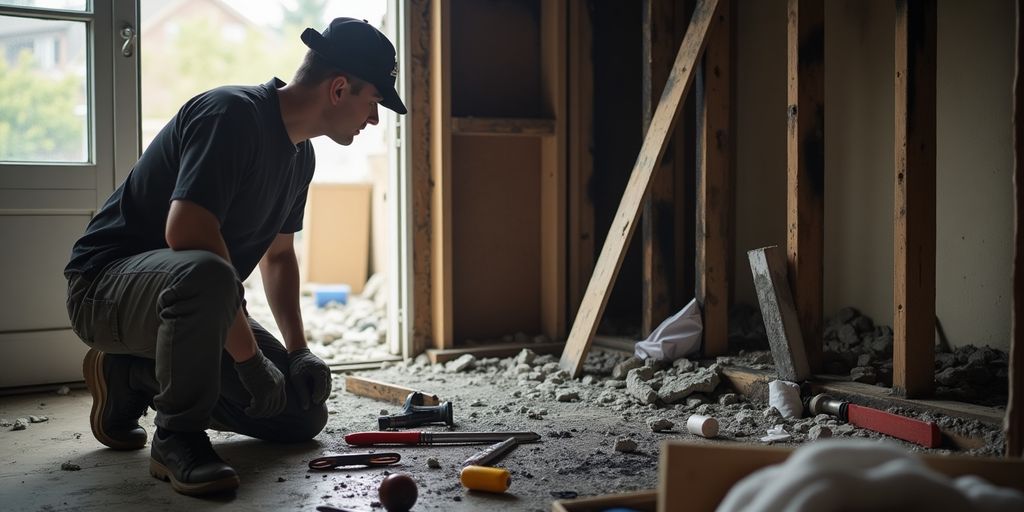
When your home suffers from fire damage, selecting the right contractor is crucial. A skilled contractor can make a significant difference in restoring your property. Here are some essential tips to help you choose wisely:
Researching Potential Contractors
- Look for contractors with experience in fire damage restoration.
- Check their reputation through online reviews and testimonials.
- Ask for recommendations from friends or family who have faced similar situations.
Questions to Ask Before Hiring
- Are you licensed, bonded, and insured?
- What is your experience with fire damage restoration?
- Can you provide references from previous clients?
Checking Credentials and Reviews
- Verify their licenses and insurance coverage.
- Read reviews on platforms like Google or Yelp.
- Look for any complaints filed against them with the Better Business Bureau.
Choosing the right contractor is not just about cost; it’s about ensuring your home is restored safely and effectively.
By following these steps, you can find a reliable contractor who will help you recover from fire damage efficiently. Remember, affordable no.1 fire damage restoration services can be found, but always prioritize quality and experience over the lowest price.
Navigating Insurance and Fire Damage Claims

Understanding Your Insurance Policy
When dealing with fire damage, it’s crucial to understand your insurance policy. This document outlines what is covered and what is not. Here are some key points to consider:
- Coverage Types: Ensure you know if you have replacement cost coverage or actual cash value coverage.
- Deductibles: Be aware of your deductible amount, as this will affect your out-of-pocket expenses.
- Exclusions: Familiarize yourself with any exclusions that may apply to your policy.
Working with Contractors on Claims
Once you understand your policy, the next step is to work with contractors to file your claims. Here’s how to navigate this process:
- Document Everything: Take photos and videos of the damage to support your claim.
- Get Estimates: Obtain written estimates from multiple contractors to present to your insurance company.
- Communicate Clearly: Keep open lines of communication with both your contractor and your insurance adjuster.
Avoiding Common Insurance Pitfalls
To ensure a smooth claims process, be aware of common pitfalls:
- Delays in Reporting: Report the damage to your insurance company as soon as possible to avoid delays.
- Incomplete Documentation: Ensure all damage is documented thoroughly to prevent disputes.
- Ignoring Policy Limits: Be mindful of your policy limits to avoid unexpected costs.
Navigating insurance claims after fire damage can be overwhelming, but understanding your policy and working closely with professionals can make the process smoother. Professional guidance is essential to ensure you receive the compensation you deserve.
Budgeting for Fire Damage Restoration
When dealing with fire damage, it’s crucial to plan your budget carefully. Understanding the costs involved can help you avoid financial surprises. Here are some key areas to consider:
Estimating Restoration Costs
- Assessment Fees: Professionals will need to evaluate the damage, which may come with a fee.
- Repair Costs: This includes structural repairs, smoke and soot removal, and any necessary renovations.
- Material Costs: If you choose to do some repairs yourself, factor in the cost of materials and tools.
| Cost Category | Estimated Cost |
|---|---|
| Assessment Fees | $200 – $500 |
| Structural Repairs | $1,000 – $10,000+ |
| Smoke Removal | $500 – $2,500 |
| DIY Material Costs | Varies |
Planning for Unexpected Expenses
- Permits: Some repairs may require permits, which can add to your costs.
- Temporary Housing: If your home is unlivable, consider the costs of renting a temporary place.
- Inspections: Additional inspections may be needed to ensure safety and compliance.
Financing Options for Homeowners
- Insurance Claims: Check your policy to see what is covered.
- Personal Loans: Consider taking out a loan if necessary.
- Payment Plans: Some contractors may offer payment plans to help manage costs.
Planning ahead can make a significant difference in managing your finances during this challenging time.
By understanding these aspects, you can make informed decisions and effectively manage your budget during the restoration process. Remember, fire restoration cost-saving strategies for homeowners can help minimize expenses and restore your home efficiently after fire damage.
Ensuring Safety During Fire Damage Restoration
Handling Hazardous Materials Safely
When dealing with fire damage, safety is the top priority. Hazardous materials like asbestos or lead may be present. Here are steps to ensure safety:
- Identify hazardous materials before starting any work.
- Use protective gear, including masks and gloves.
- Hire professionals for safe removal and disposal.
Protecting Your Family and Pets
During restoration, it’s crucial to keep your family and pets safe. Consider these tips:
- Establish a safe zone away from the restoration area.
- Keep pets in a secure location to prevent them from wandering into hazardous areas.
- Communicate with your family about safety protocols.
Post-Restoration Safety Checks
After restoration, conduct thorough safety checks to ensure everything is secure:
- Inspect for any remaining hazards or structural issues.
- Check smoke detectors and fire alarms to ensure they are functional.
- Review the property for any signs of mold or water damage.
Ensuring safety during fire damage restoration is essential for protecting your loved ones and your home. Always prioritize safety and consult professionals when in doubt.
In summary, handling hazardous materials, protecting your family and pets, and conducting post-restoration safety checks are vital steps in the restoration process. Following these guidelines will help you navigate the challenges of fire damage restoration effectively. Remember, the ultimate guide to fire damage repair emphasizes the importance of safety throughout the process.
Long-Term Considerations After Fire Damage
Preventing Future Fire Hazards
To keep your home safe after a fire, consider these steps:
- Install smoke detectors in every room and check them regularly.
- Create and practice a fire escape plan with your family.
- Keep flammable materials away from heat sources.
Maintaining Restored Areas
Once your home is restored, it’s important to maintain those areas:
- Regularly inspect for signs of smoke or water damage.
- Clean air ducts to prevent lingering odors.
- Schedule professional inspections annually to ensure everything is in good shape.
Regular Inspections and Upkeep
Ongoing maintenance is key to a safe home:
- Check for any signs of structural issues, like cracks or sagging.
- Keep an eye on your roof and gutters to prevent water damage.
- Document any changes or repairs for future reference.
Remember, post wildfire recovery programs can help you with immediate actions to repair damages and minimize potential soil erosion. Taking these long-term steps will help ensure your home remains safe and sound after a fire.
After experiencing fire damage, it’s crucial to think about the long-term effects on your home. You may need to address structural issues, replace damaged materials, and ensure your home is safe and comfortable again. Don’t wait too long to start the recovery process! Visit our website to learn more about how we can help you restore your home to its former glory.
Final Thoughts on Choosing Fire Damage Contractors
In conclusion, dealing with fire damage is tough, but finding the right contractor can make a big difference. Always start by checking the damage and deciding if you can handle some repairs yourself or if you need a pro. Look for contractors who are licensed and have experience with fire damage. Don’t forget to ask about their past work and read reviews from other customers. Remember, safety is the most important thing, so if you find any hazardous materials like asbestos, call in the experts right away. By taking these steps, you can help ensure your home is restored properly and safely.
Frequently Asked Questions
What do fire damage contractors actually do?
Fire damage contractors help fix homes after a fire. They clean up the mess, remove damaged materials, and repair or rebuild what was lost.
How can I tell if I need a professional for fire damage?
If the damage is big, like broken walls or electrical issues, you should call a pro. Small fixes might be okay to do yourself.
What should I look for in a fire damage contractor?
Look for someone who is licensed and has experience. Check if they have good reviews and can handle all parts of the restoration.
How do I handle my insurance after a fire?
Read your insurance policy carefully. Work with your contractor to file claims and keep records of all damage.
What if there are hidden dangers, like asbestos, after a fire?
If you think there might be asbestos or other hazards, let the contractor know. They can handle these safely.
What should I do to keep my family safe during repairs?
Make sure to stay away from the work area. Follow your contractor’s advice and check that everything is safe before going back in.