Facing water damage in your home can be really stressful. Whether it’s from a leaky pipe or a major storm, the damage can be overwhelming. Picking the right water damage contractor is key to getting your home back to normal. This guide will help you figure out what to look for and what questions to ask so you can make the best choice for your situation.
Key Takeaways
- Understand the different types of water damage to better assess your needs.
- Always check a contractor’s licensing and certifications before hiring.
- Ask potential contractors about their experience and customer reviews.
- Get multiple estimates to compare services and costs.
- Watch out for red flags like vague contracts or pressure to sign quickly.
Understanding Water Damage and Its Impact
Identifying Different Types of Water Damage
Water damage isn’t just about a leaky roof or a flooded basement. It comes in various forms, each with its own set of challenges. You have clean water damage, which might come from a broken pipe or rainwater. Then there’s gray water damage, like from a dishwasher or washing machine, which can contain some contaminants. And let’s not forget black water damage, the worst kind, often from sewage or floodwaters, packed with harmful bacteria and chemicals. Knowing what type you’re dealing with is key to tackling the problem effectively.
Assessing the Severity of Water Damage
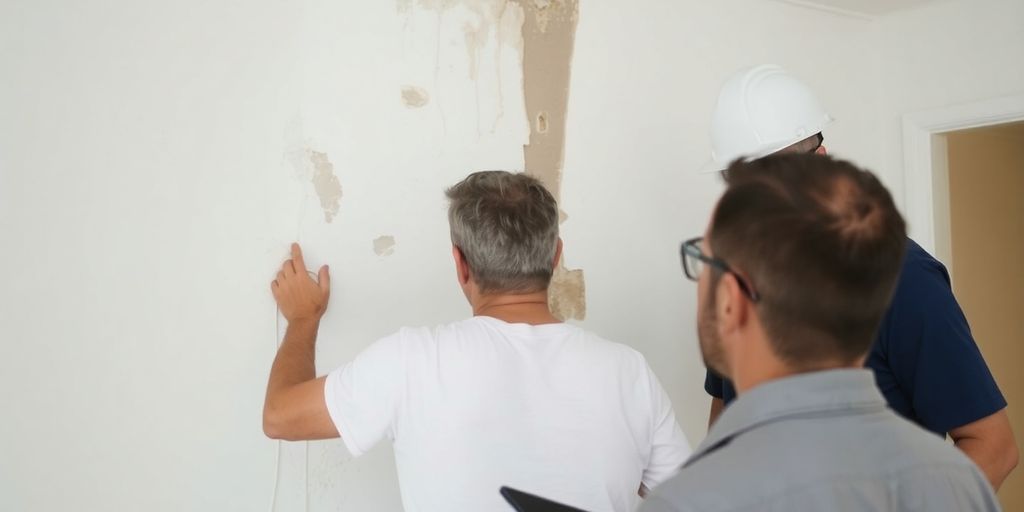
The severity of water damage can vary widely. A small leak might seem minor, but if left unchecked, it can lead to significant issues, like mold or structural damage. On the flip side, a big flood can cause immediate, obvious damage that needs urgent attention. It’s crucial to assess how deep the damage goes, which might mean getting behind walls or under floors to see the full extent. Sometimes, what you can’t see is more damaging than what you can.
Long-term Effects of Water Damage
Ignoring water damage can lead to a host of long-term problems. For starters, there’s the risk of mold, which can spread quickly and pose health risks. Then there’s the structural impact—water can weaken beams, rot wood, and even affect the foundation of your home. Over time, these issues can lead to costly repairs and might even decrease your home’s value. It’s not just about fixing a current problem, but also about preventing future headaches.
Water damage goes beyond the immediate mess and inconvenience. It can silently undermine your home’s integrity if not addressed promptly. Taking quick action is not just about restoring what’s visible, but also about safeguarding your home’s future.
For more insights on how water damage can impact your home’s structure, check out our detailed guide.
Evaluating Water Damage Contractors
Checking for Proper Licensing and Certification
When you’re picking a contractor, the first thing to do is check if they have the right licenses and certifications. A good contractor will be certified by organizations like the Institute of Inspection Cleaning and Restoration Certification (IICRC). This means they follow industry standards and know what they’re doing. Make sure they have the proper insurance too. This protects you if anything goes wrong during the job.
Assessing Experience and Expertise
Experience really counts when it comes to dealing with water damage. You want someone who’s been around the block a few times and knows how to handle your specific situation. Ask them how long they’ve been in business and if they’ve dealt with similar issues before. It’s like finding a mechanic who knows your car inside and out. A company that’s been around for a while usually has a good track record.
Reviewing Customer Testimonials and References
Don’t skip out on reading reviews and asking for references. What past customers say can give you a good idea of what to expect. Look for testimonials that mention reliability and quality of work. You can even ask the company for before-and-after photos of previous jobs. This way, you get a real sense of what they can do and if they can handle your project without a hitch.
Choosing the right contractor is like finding a good friend to help you through a tough time. You want someone reliable, honest, and capable.
Essential Questions to Ask Potential Contractors
Inquiring About the Restoration Process
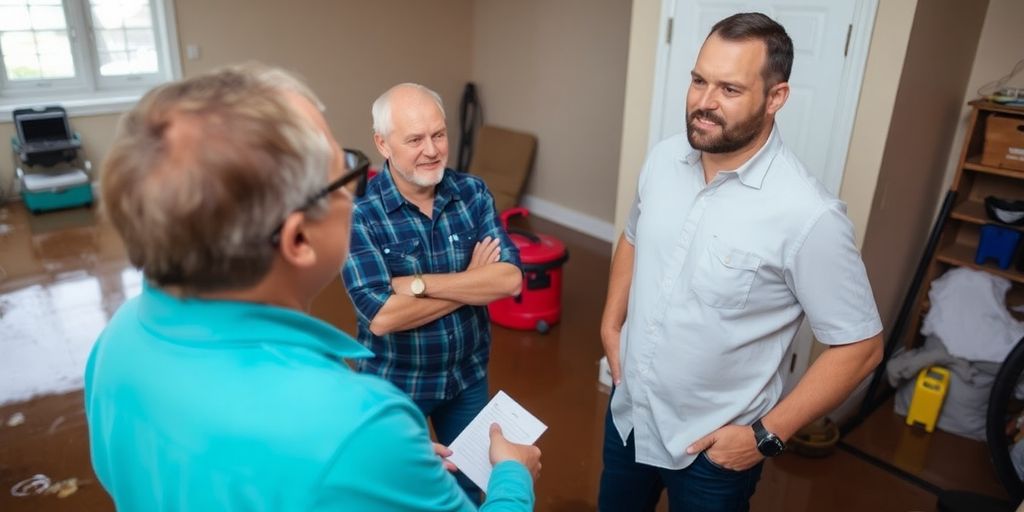
When you’re hit with water damage, you want to know exactly how a contractor plans to fix it. Ask them to walk you through their restoration process. A reliable company will have a clear plan from start to finish. They’ll explain how they deal with water extraction, drying, and repairs. If they seem sketchy or vague, that’s a red flag.
Understanding Insurance and Liability Coverage
Insurance can be a headache, but it’s important. Make sure the contractor has the right insurance and licensing. This protects you if anything goes wrong. Ask them, "How do you handle insurance claims?" You don’t want to end up with unexpected bills because something wasn’t covered.
Clarifying Costs and Estimates
Money matters, right? Get a detailed quote from the contractor. It should lay out everything—what they’ll do, how long it’ll take, and how much it’ll cost. This way, you avoid surprise charges later on.
Don’t just go for the cheapest option. Sometimes, paying a bit more means getting better service. Always weigh the cost against the quality of work.
Comparing Estimates and Services
When you’re facing water damage, choosing the right contractor is key. Here’s how to make sure you’re getting the best deal:
Requesting Detailed Quotes
Start by gathering quotes from several contractors. It’s important to get at least three estimates. This way, you can compare not just the prices but also the services included. When you look at these quotes, don’t just focus on the bottom line. Sometimes a higher quote might include more comprehensive services, which could save you money in the long run. Make sure each quote includes a detailed breakdown of services, costs, and timelines. This transparency helps avoid any nasty surprises later.
Evaluating the Scope of Services Offered
Once you have your quotes, take a close look at what each contractor is offering. Are they providing a full-service restoration, or are there gaps that might require hiring additional help? Key services to look for include water extraction, drying, mold remediation, and structural repairs. A contractor that offers a full range of services can streamline the process and reduce stress.
Considering Emergency Response Availability
Water damage doesn’t wait for business hours, so having a contractor who offers emergency services is crucial. Ask about their availability—do they operate 24/7? Quick response times can significantly minimize damage. If a contractor hesitates to provide emergency services, it might be a sign to keep looking. Knowing that help is just a call away can offer peace of mind during a stressful time.
Comparing estimates isn’t just about finding the lowest price. It’s about understanding what you’re paying for and ensuring that the services meet your needs. Taking the time to thoroughly evaluate your options will pay off in the long run, providing you with quality restoration and peace of mind.
For more insights on choosing the best water damage restoration services and understanding what to look for, check out this comprehensive guide.
Recognizing Red Flags and Avoiding Scams
When you’re dealing with water damage, the last thing you need is to get tangled up with a shady contractor. Knowing how to spot scams can save you from a lot of headaches.
Identifying Common Scam Tactics
Watch out for contractors who ask for full payment upfront. While it might not always mean a scam, it’s a red flag. Legitimate companies usually have a payment plan that aligns with project milestones.
Be cautious of companies that offer unbelievably low prices. If it sounds too good to be true, it probably is. Scammers often lure victims with cheap quotes, only to pile on extra costs later.
Aggressive marketing tactics are another warning sign. Companies that pressure you into making quick decisions might not have your best interests at heart.
Ensuring Transparency and Honesty
A trustworthy contractor will provide a clear and detailed written agreement. This document should outline the scope of work, costs, and timelines. If a company hesitates to put things in writing, that’s a big red flag.
Check if the company has a physical address and contact number. This can help you verify their legitimacy and track them down if issues arise.
Verifying Company Credentials
Before you sign anything, make sure the contractor is licensed and insured. You can usually verify this information through local government websites or business directories.
Ask for references and take the time to call them. Past clients can give you insight into the company’s reliability and quality of work.
Taking the time to research and verify a contractor’s credentials can save you from future headaches. Trust your instincts and opt for a company that makes you feel comfortable and confident in their services.
For more guidance, Ruach Home Services offers expert advice on selecting reputable contractors, emphasizing the importance of proper credentials and transparency.
Making the Final Decision
Trusting Your Instincts
When it comes down to it, your gut feeling matters. If you’ve done your homework, asked the right questions, and something still feels off, listen to that inner voice. It’s not just about the facts and figures; it’s about how comfortable you feel with the contractor. Trust is key in these situations. If a company seems too pushy or evasive, it might be a sign to keep looking.
Balancing Cost and Quality
Finding the sweet spot between cost and quality can be tricky. While it’s tempting to go for the cheapest option, remember that you often get what you pay for. Look at what each contractor offers in their estimates. Sometimes, a slightly higher quote might mean better materials or more thorough work. Consider this an investment in your home.
- Compare multiple estimates not just on price, but on what’s included.
- Check if the company offers any warranties or guarantees.
- Evaluate the level of customer service during your initial interactions.
Ensuring Clear Communication
Communication is crucial from the get-go. Make sure you and the contractor are on the same page about the scope of work, timeline, and costs. Misunderstandings can lead to delays and extra expenses.
- Discuss the project timeline and any potential delays.
- Confirm all details in writing—this includes costs, services, and any special requests.
- Maintain regular contact throughout the project to address any issues that arise.
Ultimately, choosing a contractor isn’t just about fixing water damage—it’s about restoring your peace of mind. Take the time to make a decision you feel confident about, and don’t hesitate to reach out to trusted brands for water damage restoration in Ashburn, Virginia, for guidance and support.
Remember, the right choice will help you protect your home and ensure a smooth restoration process. If you’re ever unsure, consult with professionals who can offer reliable advice and services.
When it comes to making the final choice, it’s important to weigh all your options carefully. Think about what matters most to you and how each choice aligns with your needs. Don’t rush; take your time to ensure you’re making the best decision for your home. If you need help or want to learn more about our services, visit our website today!
Wrapping It Up
So, there you have it, folks. Picking the right water damage contractor isn’t just about finding someone who can fix a leak. It’s about choosing a partner who’ll help you get your home back to its cozy self. Remember to check their credentials, ask the right questions, and trust your gut. It’s a bit of work upfront, but it’ll save you headaches down the road. And hey, if you ever find yourself knee-deep in water, you’ll know exactly who to call. Good luck, and may your home stay dry and comfy!
Frequently Asked Questions
What should I do first if I find water damage in my home?
If you discover water damage, the first step is to stop the source of water if possible. Then, document the damage with photos and contact a professional water damage contractor for an assessment.
How can I tell if a water damage contractor is trustworthy?
Check if the contractor is licensed and certified. Read reviews from past customers and ask for references. A reputable contractor should be transparent about their credentials and willing to provide proof.
Why is it important to get multiple estimates from contractors?
Getting multiple estimates helps you compare the cost and scope of services offered. This way, you can ensure you’re getting a fair price and the services you need to restore your home.
What are some common signs of water damage in a home?
Common signs include stains on walls or ceilings, peeling paint, warped floors, and a musty odor. If you notice any of these, it’s a good idea to have a professional check for water damage.
Can I handle water damage repairs myself?
Minor water damage might be manageable on your own, but significant damage often requires professional help to ensure thorough repairs and to prevent mold growth and structural issues.
How quickly should I act on water damage?
It’s important to act quickly on water damage to prevent further issues like mold growth and structural damage. Contact a professional as soon as possible to assess and address the damage.