Dealing with water damage in your home can be overwhelming. From leaky pipes to unexpected floods, it’s crucial to act fast to minimize damage. That’s where water remediation companies come in. These professionals help restore your home to its original state, but choosing the right one is essential. With so many options out there, how do you pick the best fit for your needs? This guide will walk you through the process of selecting a reliable company to ensure your home is in good hands.
Key Takeaways
- Understand the types of water damage and the necessary remediation services before reaching out to companies.
- Evaluate potential companies by checking their credentials, certifications, and customer reviews.
- Ask detailed questions about their services, response times, and cost estimates to ensure they meet your needs.
- Compare quotes carefully, considering both the cost and the value of services offered.
- Trust your instincts and choose a company that communicates well and makes you feel comfortable.
Understanding Water Remediation Services
Types of Water Damage
Water damage can sneak up on you in various forms, and it’s important to know what you’re dealing with. The most common types include clean water damage from broken pipes or rain, gray water from appliances or sump pump failures, and black water, which is the nastiest, coming from sewage backups or floods. Each type requires a different approach to remediation, so identifying the source is crucial.
Common Remediation Techniques
Once you’ve figured out the type of water damage, it’s time to tackle it head-on. Water removal is the first step, often done with pumps and vacuums to get rid of standing water. Next up, drying and dehumidifying the area to prevent mold and mildew from setting in. Mold remediation might be necessary if the water’s been sitting for a while. This involves cleaning, disinfecting, and sometimes even tearing out affected materials. Don’t forget about biohazard cleanup if your water damage involves contaminants. This requires special protocols to ensure safety.
Importance of Quick Response
Time is of the essence when it comes to water damage. The longer you wait, the worse it gets. Quick action can save your property from further damage and reduce the risk of mold growth. Most water remediation companies offer 24/7 emergency services. So, if you’re faced with a water disaster, don’t hesitate to call in the pros right away. As they say, "the early bird catches the worm," or in this case, saves the house.
Evaluating Water Remediation Companies
Checking Credentials and Certifications
When you’re looking for a water remediation company, credentials and certifications are a must-check. Companies with certifications from recognized bodies like the Institute of Inspection, Cleaning and Restoration Certification (IICRC) or the Environmental Protection Agency (EPA) are usually trustworthy. These certifications mean the company has undergone proper training and follows industry standards. It’s like having a seal of approval that they know what they’re doing.
Reading Customer Reviews
Don’t skip the reviews. They can give you a real sense of what a company is like. Look for patterns in the feedback. If you see multiple complaints about the same issue, like poor communication or delays, that’s a red flag. On the flip side, consistent praise for their quick response or professionalism is a good sign. Remember, a few bad reviews are normal, but if they outweigh the good ones, you might want to look elsewhere.
Assessing Company Experience
Experience counts, especially in water remediation. Find out how long the company has been in business and their track record with situations like yours. A company that has been around for a while and has handled similar cases is likely to do a good job. Ask about their past projects and if they can provide references. It’s reassuring to know they’ve successfully managed cases like yours before.
Key Questions to Ask Water Remediation Companies
Inquiring About Services Offered
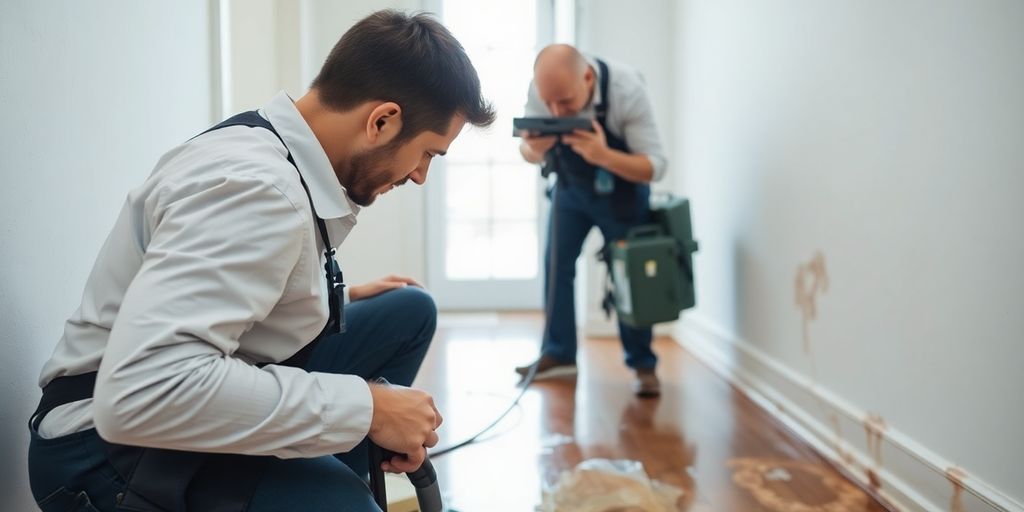
When you’re on the hunt for a water remediation company, it’s crucial to start by asking about the specific services they provide. Not all companies offer the same range of services, so make sure they can handle your particular issue. For example, if you’re dealing with mold after a leak, ensure they offer mold remediation. Here’s a quick checklist to guide you:
- Do they specialize in specific types of water damage?
- Can they handle mold removal or biohazard cleanup?
- What equipment do they use for water extraction and drying?
Understanding Response Times
Time is of the essence when dealing with water damage. You need to know how quickly a company can respond to emergencies. A prompt response can prevent further damage and reduce costs. Here are some questions to ask:
- How soon can they start the remediation process?
- Do they offer 24/7 emergency services?
- What is their average response time?
Discussing Cost Estimates
Before committing, it’s wise to discuss the cost estimates upfront. Understanding the financial aspect can save you from unexpected surprises later. Ask for a detailed breakdown of their pricing:
- Do they provide free estimates?
- Are there any hidden fees?
- Can they give a written quote outlining all costs involved?
When choosing a water remediation company, it’s essential to ask the right questions. This not only ensures you get the best service but also helps avoid unnecessary stress and expenses in the long run.
Comparing Water Remediation Costs
Requesting Detailed Quotes
When you’re staring down a waterlogged basement or a leaky roof, getting a clear picture of costs is crucial. Always request detailed quotes from several water remediation companies. A comprehensive quote should break down labor, materials, and any additional fees. This way, you can compare apples to apples and avoid unexpected expenses. Don’t hesitate to ask questions if something isn’t clear. Transparency is key.
Understanding What Affects Pricing
Water remediation costs can vary widely. Factors like the extent of damage, type of water involved (clean, gray, or black), and the materials affected all play a role. For instance, fixing a small leak is cheaper than dealing with extensive flood damage. Some companies may also charge more for emergency services or after-hours work. Knowing these details helps you anticipate costs and budget accordingly.
Evaluating Cost vs. Value
While it’s tempting to go with the cheapest option, consider the value you’re getting. A lower price might mean less experienced technicians or lower-quality materials. On the flip side, a higher cost doesn’t always guarantee better service. Look for a balance between cost and quality. Check reviews and ask for references to ensure you’re getting good value for your money.
Remember, investing in quality remediation now can save you from bigger headaches down the line.
Here’s a quick comparison of typical remediation costs:
| Service Type | Average Cost Range |
|---|---|
| Minor Leak Repair | $150 – $500 |
| Mold Remediation | $500 – $4,000 |
| Major Flood Restoration | $5,000 – $10,000 |
| Structural Repairs | $10,000 – $50,000 |
For more detailed cost information, read our article on pricing of water damage restoration.
Ensuring Quality and Reliability
Checking for Insurance and Licensing
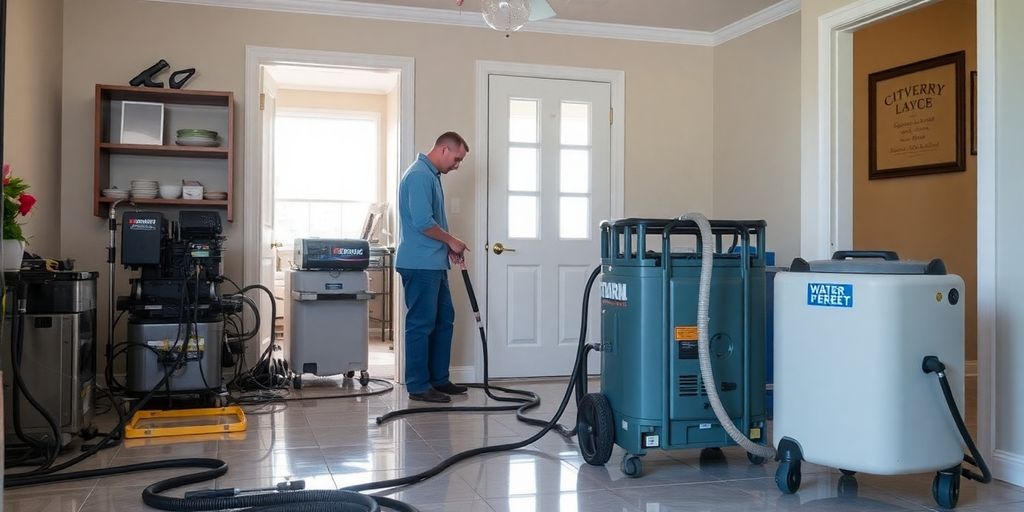
Before hiring a water remediation company, it’s smart to verify their insurance and licensing. This isn’t just a formality—it’s a safeguard for you. If a mishap occurs during the repair process, having a company that’s insured means you won’t be left holding the bill. Licensing, on the other hand, ensures that the company meets local and state regulations. This step might seem tedious, but it can save you from a lot of headaches later on.
Assessing Professionalism and Communication
When you’re dealing with water damage, you want a company that communicates well and acts professionally. Notice how they interact with you from the first phone call. Are they polite and informative, or do they seem rushed and dismissive? Professionalism often reflects the quality of work you can expect. If they show up on time, in uniform, and with the right tools, it’s a good sign that they take their job seriously.
Ensuring Availability of Emergency Services
Water damage doesn’t wait for business hours, and neither should your remediation company. Make sure they offer emergency services and can respond quickly when disaster strikes. Ask if they’re available 24/7 and how soon they can get to your home in an emergency. A fast response can prevent further damage and reduce repair costs.
Choosing the right water remediation company isn’t just about price; it’s about finding a team that you can trust to restore your home efficiently and effectively. Take the time to do your research and ask the right questions. Your peace of mind is worth it.
For expert water damage restoration, consider companies like Ruach Home Services that prioritize customer satisfaction and reliability, ensuring your home is restored to its pre-damage state.
Making the Final Decision
Trusting Your Instincts
When it comes down to choosing a water remediation company, trust your gut. If something feels off during your interactions with a company, it probably is. Your comfort level with the company is just as important as their credentials. If a water damage restoration service makes you feel uneasy or rushed, it might be best to look elsewhere. Remember, this is about your home, and you deserve to feel confident in your choice.
Considering Long-Term Support
Think beyond the immediate fix. Ask yourself if the company offers long-term support or follow-up services. Some companies might provide ongoing maintenance checks or advice on preventing future issues. Having a company that sticks around after the initial work is done can be a lifesaver. It’s not just about fixing the current problem but ensuring peace of mind for the future.
Finalizing the Contract
Before you sign anything, make sure you understand all the terms and conditions. Go through the contract with a fine-tooth comb. Look for details about the scope of work, timelines, and payment terms. Don’t hesitate to ask questions if something isn’t clear. It’s better to clarify now than face surprises later. A well-drafted contract is your safety net, ensuring both parties know what to expect.
When it comes to making the final choice for your home repairs or remodeling, it’s important to consider all your options carefully. Don’t rush this decision; take your time to weigh the pros and cons. If you’re ready to take the next step, visit our website for more information and to schedule a consultation. We’re here to help you every step of the way!
Conclusion
Alright, so we’ve covered a lot about picking the right water remediation company. It’s not just about who can get the job done, but who can do it right for your specific situation. Remember, every home and every water damage scenario is different. Take your time to research, ask around, and don’t be shy about asking questions. Trust your gut feeling when talking to potential companies. If something feels off, it probably is. At the end of the day, the right company will not only fix the damage but also give you peace of mind. So, take a deep breath, make your choice, and get your home back to being the safe haven it should be.
Frequently Asked Questions
What exactly is water remediation?
Water remediation is the process of cleaning, drying, and restoring areas affected by water damage to prevent further harm and mold growth.
How quickly should I act after water damage?
You should act immediately after water damage. Quick action helps to minimize damage and reduce repair costs.
What are common causes of water damage?
Common causes include burst pipes, leaking roofs, flooding, and appliance malfunctions like washing machines or dishwashers.
How do I choose a reliable water remediation company?
Look for companies with good reviews, proper certifications, and experience in handling your type of water damage.
Will my insurance cover water damage repair?
It depends on your policy. Check with your insurance provider to see what types of water damage are covered.
Can I handle water damage cleanup myself?
For small spills, yes, but larger water damage should be handled by professionals to ensure thorough cleanup and prevent mold.