When disaster strikes, whether from water, fire, or mold, it can be overwhelming for property owners. Understanding the process of property damage restoration services is crucial to effectively navigate this challenging situation. This guide provides essential information on property damage restoration, covering key concepts, techniques, and the importance of timely action to restore your property to its original condition.
Key Takeaways
- Property damage restoration services help repair and restore properties after disasters.
- Quick action is essential to prevent further damage and ensure safety.
- Professional restoration companies use advanced tools and techniques to handle various types of damage.
- Proper documentation is important for insurance claims and legal requirements.
- Choosing a qualified restoration company can make the restoration process smoother and more effective.
Understanding Property Damage Restoration Services
Property damage restoration is all about fixing and bringing back a property to its original state after it has been harmed. This can happen due to various reasons like natural disasters, accidents, or even just normal wear and tear. Timely restoration is crucial to prevent further damage and keep the property safe and livable.
Key Concepts in Property Restoration
- Assessment: The first step is to check how much damage has been done. Experts look at all affected areas to decide what needs to be done.
- Mitigation: This means taking steps to stop more damage from happening, like removing water or securing broken windows.
- Restoration: Finally, the actual repair work is done to bring the property back to its pre-damage condition.
Common Causes of Property Damage
- Water Damage: This can be from floods, leaks, or heavy rain.
- Fire Damage: Fires can cause severe destruction and leave behind smoke and soot.
- Mold Growth: Often a result of water damage, mold can be harmful and needs to be removed quickly.
Importance of Timely Restoration
- Prevents Further Damage: Quick action can stop additional problems from developing.
- Saves Money: The sooner you start, the less it will cost in repairs.
- Protects Health: Fast restoration helps keep the environment safe for everyone.
Quick and effective restoration can make a property more appealing and maintain its value.
In summary, understanding property damage restoration services is essential for anyone facing damage. Whether it’s a major issue or a smaller one, a restoration company is not only needed in the event of major water, fire, smoke, or mold damage, but also for smaller property issues that can potentially lead to bigger problems if not addressed promptly.
Types of Property Damage and Restoration Techniques
Water Damage Restoration Methods
Water damage can occur from various sources, including heavy rain, flooding, or even a burst pipe. Quick action is crucial to prevent further issues like mold growth. Here are some common methods used in water damage restoration:
- Water Extraction: Removing standing water using pumps and vacuums.
- Drying and Dehumidification: Using industrial fans and dehumidifiers to dry out the area.
- Cleaning and Sanitizing: Ensuring that all affected areas are cleaned and treated to prevent mold.
| Method | Description |
|---|---|
| Water Extraction | Removing excess water from the property. |
| Drying and Dehumidification | Reducing moisture levels to prevent mold. |
| Cleaning and Sanitizing | Eliminating contaminants and odors. |
Fire and Smoke Damage Solutions
Fire damage can be devastating, affecting both the structure and contents of a property. Restoration involves several steps:
- Assessment: Evaluating the extent of the damage.
- Debris Removal: Clearing out burnt materials and debris.
- Smoke and Soot Removal: Using specialized cleaning agents to remove smoke residues.
- Structural Repairs: Fixing any structural damage caused by the fire.
- Content Restoration: Restoring personal belongings affected by smoke and fire.
Ruach Home Services offers affordable fire damage restoration, including emergency board-up and smoke removal, to help restore properties to their pre-fire conditions.
Mold Remediation Strategies
Mold can develop quickly in damp areas, making it essential to address water damage promptly. Here are key strategies for mold remediation:
- Containment: Isolating the affected area to prevent mold from spreading.
- Air Filtration: Using HEPA filters to capture mold spores in the air.
- Removal: Safely removing mold-infested materials and cleaning surfaces.
Remember: Addressing mold issues quickly can save you from more extensive damage and health risks.
The Role of Professional Restoration Services
Benefits of Hiring Experts
- Quick response to emergencies minimizes damage.
- Trained professionals have the skills to handle various types of damage.
- They use advanced tools that are not available to the average homeowner.
Advanced Equipment and Techniques
Professional restoration services utilize specialized equipment such as:
| Equipment Type | Purpose |
|---|---|
| Industrial Dehumidifiers | Remove excess moisture |
| Air Movers | Speed up drying processes |
| Water Extraction Units | Remove standing water |
Coordinated Team Efforts
When you hire a restoration company, you benefit from a team approach:
- Assessment: Experts quickly evaluate the damage.
- Mitigation: Teams work simultaneously to contain and repair damage.
- Restoration: Each member focuses on their area of expertise, ensuring thorough recovery.
Professional restoration services are essential for effective recovery after property damage. Their expertise and tools help ensure that your property is restored efficiently and safely. Choosing experienced contractors can make a significant difference in the outcome of the restoration process.
Safety and Precautions in Restoration Processes
Initial Safety Assessments
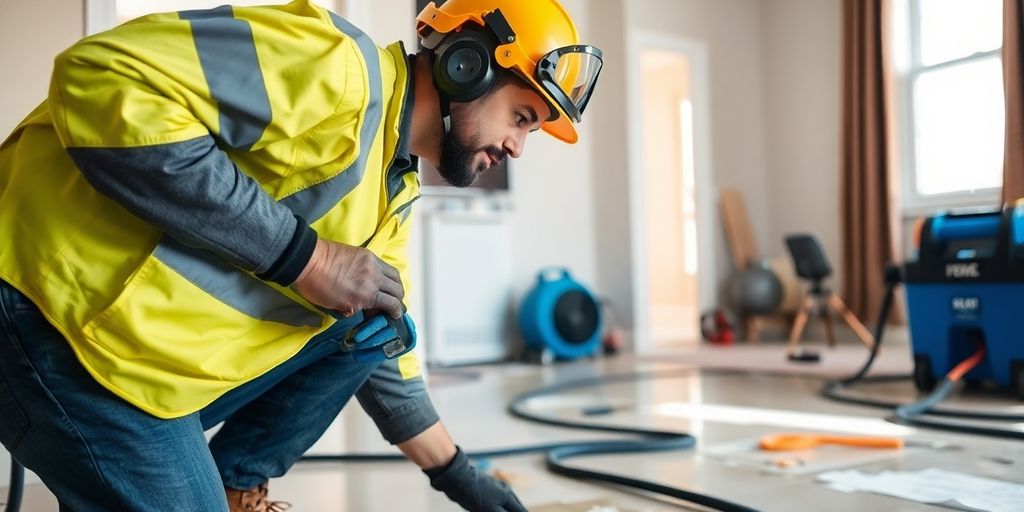
Before starting any restoration work, it’s important to conduct a thorough safety assessment. This helps identify potential hazards such as:
- Structural instability
- Electrical risks
- Exposure to harmful substances like mold or asbestos
Taking these precautions can prevent accidents and injuries.
Protective Measures for Occupants
To ensure the safety of everyone involved, consider the following protective measures:
- Evacuate the area if necessary.
- Use protective gear like gloves and masks.
- Secure the site to keep unauthorized people out.
Handling Hazardous Materials
When dealing with hazardous materials, follow these guidelines:
- Always wear appropriate protective equipment.
- Ensure proper ventilation in the work area.
- Dispose of hazardous waste according to local regulations.
Remember, safety is the top priority during restoration. Taking the right steps can help protect both workers and occupants from potential dangers.
In summary, safety assessments, protective measures, and careful handling of hazardous materials are crucial in the restoration process. By prioritizing these aspects, you can ensure a safer environment for everyone involved.
Navigating Insurance and Documentation
Documenting Damage for Claims
When dealing with property damage, keeping detailed records is crucial. This includes:
- Taking photographs of the damage.
- Writing descriptions of what happened.
- Collecting repair estimates and any other relevant documents.
These records help in making the claims process smoother and ensure everything is clear.
Working with Insurance Companies
To start the claims process, follow these steps:
- Contact your insurance agent right after the damage occurs.
- The agent will guide you through the claims process and may suggest restoration companies.
- Once a restoration company is on-site, they will assess the damage and provide an estimate for the work needed.
- After reviewing the estimate, you will sign a contract to begin the restoration.
- Finally, once the work is done, you will receive an invoice for payment.
Legal Compliance and Standards
It’s important to follow local laws and regulations during the restoration process. This ensures that all work is done safely and correctly.
Remember, proper documentation not only helps with insurance claims but also protects you legally.
By understanding these steps, you can navigate the insurance and documentation process more effectively, ensuring a smoother restoration experience.
Steps in the Property Restoration Process
Assessment and Inspection
The first step in restoring a property is to conduct a thorough assessment. This means checking all areas to see how much damage has occurred. Professional restoration teams use special tools to find hidden issues like water leaks or mold. This step is crucial to understand what needs to be done next.
Mitigation and Containment
After assessing the damage, the next step is to prevent further harm. This can include:
- Removing standing water to avoid more damage.
- Boarding up windows or covering roofs to protect from the elements.
- Taking quick action to stop mold from growing.
Quick action is key during this phase to minimize additional losses and facilitate the restoration process.
Restoration and Reconstruction
Once the property is safe, the actual restoration can begin. This involves:
- Drying out the property using air movers and dehumidifiers.
- Removing damaged materials like drywall or carpets that can’t be saved.
- Rebuilding any structures that were taken down, including walls, plumbing, and electrical systems.
This final step is essential to bring the property back to its original state.
The restoration process is not just about fixing what was broken; it’s about making the property safe and livable again.
In summary, the steps in property restoration are vital to ensure that the property is returned to its pre-damage condition. Each step plays a significant role in the overall success of the restoration process, ensuring that the property is safe and secure for its occupants.
Choosing the Right Restoration Company
When facing property damage, selecting the right restoration company is crucial. Here are some key points to consider:
Evaluating Credentials and Experience
- Check for proper licenses and certifications.
- Look for companies with a solid track record in restoration services.
- Ask about their experience with similar types of damage.
Understanding Service Offerings
- Ensure they provide a full range of services, including:
- Water damage restoration
- Fire and smoke damage repair
- Mold remediation
- Verify if they offer emergency services for quick response.
Customer Reviews and Testimonials
- Read online reviews to gauge customer satisfaction.
- Ask for references from past clients.
- Look for testimonials that highlight their reliability and quality of work.
Choosing the right restoration company can make a significant difference in the recovery process. Take your time to research and select wisely.
By following these steps, you can find a restoration company that meets your needs and helps restore your property effectively. Remember, a well-informed choice can lead to a smoother restoration experience!
When it comes to picking the best restoration company, it’s important to choose one that you can trust. At Ruach Home Services, we treat your home like our own, ensuring you receive top-notch care and support. Don’t wait for disaster to strike—visit our website today to learn more about our services and how we can help you!
Final Thoughts on Property Damage Restoration
In conclusion, dealing with property damage can be tough, but knowing what to expect can make it easier. From understanding the types of damage to knowing how restoration services work, being prepared is key. Remember, acting quickly can help reduce the damage and save you money in the long run. Always prioritize safety and consider hiring professionals who know how to handle these situations. With the right help, you can restore your property and get back to your normal life.
Frequently Asked Questions
What is property damage restoration?
Property damage restoration is the process of fixing a property that has been harmed by things like water, fire, or mold. The goal is to bring the property back to how it was before the damage happened.
Why is quick restoration important?
Quick restoration is important because it helps prevent further damage. The longer you wait, the more damage can occur, which can make repairs more expensive and complicated.
What steps are involved in the restoration process?
The restoration process usually includes assessing the damage, taking steps to stop more damage, cleaning up, and then repairing or rebuilding the property.
How do I choose a restoration company?
When choosing a restoration company, look for their experience, check reviews from other customers, and make sure they have the right licenses and certifications.
Will my insurance cover restoration costs?
Many insurance policies cover property damage restoration, but it’s important to check your specific policy and talk to your insurance company to understand what is covered.
What should I do immediately after property damage occurs?
After property damage, it’s important to ensure everyone’s safety first. Then, document the damage with photos and contact a restoration professional to assess the situation.