Flood damage remediation is a critical process that helps restore properties affected by flooding. This guide aims to provide you with effective strategies and steps to tackle flood damage, ensuring safety and thorough restoration. Whether you’re dealing with minor water intrusion or significant flooding, understanding the right measures to take can make a big difference in the recovery process.
Key Takeaways
- Always prioritize safety before entering a flood-affected property.
- Document all damage for insurance claims to ensure proper coverage.
- Use appropriate tools like pumps and dehumidifiers for effective water removal.
- Clean and disinfect all surfaces to prevent mold and bacteria growth.
- Implement preventive measures to safeguard your home against future floods.
Understanding Flood Damage Remediation
Flood damage remediation is a crucial process that helps restore properties affected by water. Timely action can significantly reduce long-term damage. Understanding the key concepts and common misconceptions about this process is essential for effective recovery.
Key Concepts in Flood Damage Remediation
- Water Categories: Floodwater can be categorized into three types: clean, gray, and black water, each requiring different remediation approaches.
- Mold Prevention: Quick drying and cleaning are vital to prevent mold growth, which can start within 24-48 hours after flooding.
- Insurance Claims: Documenting damage thoroughly is important for insurance claims, ensuring you receive the necessary support for repairs.
Common Misconceptions About Flood Damage
- All Flood Damage is Covered by Insurance: Not all policies cover flood damage; it’s important to check your specific policy.
- DIY Cleanup is Always Safe: Without proper safety measures, DIY cleanup can expose you to health risks from contaminated water.
- Flood Damage is Only Cosmetic: Flooding can cause serious structural issues that may not be immediately visible.
The Importance of Timely Remediation
- Prevents Further Damage: The sooner you act, the less damage will occur, saving time and money.
- Health Risks: Standing water can lead to health hazards, including mold and bacteria growth.
- Restoration Costs: Delaying remediation can increase restoration costs significantly.
Remember, addressing flood damage promptly is not just about restoring your home; it’s about ensuring a safe and healthy living environment for you and your family.
By understanding these key aspects of flood damage remediation, homeowners can take informed steps towards recovery and restoration. For comprehensive services, consider reaching out to professionals who specialize in this area, such as those offered by efficient no.1 arlington virginia home services | ruach.
Initial Safety Measures and Damage Assessment
Ensuring Personal Safety Before Entering the Property
Before you step back into your home after a flood, your safety is the top priority. Floods can leave behind hidden dangers like unstable structures, contaminated water, and exposed wires. Always wait for local officials to declare the area safe before entering. Here are some essential safety tips:
- Wear sturdy, waterproof boots to protect your feet.
- Use rubber gloves and safety goggles for added protection.
- If mold is a concern, consider wearing an N95 mask to safeguard your lungs.
Documenting Flood Damage for Insurance Claims
Once you are safe, the next step is to document the damage. This is crucial for your insurance claims. Here’s how to do it effectively:
- Take clear photographs of all affected areas, both inside and outside.
- Make a list of damaged items, noting their condition.
- Keep records of any repairs or clean-up efforts you undertake.
Assessing Structural Integrity Post-Flood
After documenting the damage, it’s time to check the structure of your home. Look for signs of damage such as:
- Cracks in walls or ceilings
- Warping or shifting in floors
- Damage to the foundation
If you notice any serious issues, consult a professional immediately. They can help ensure your home is safe and sound. Remember, the goal is to prevent further damage and ensure a safe environment for you and your family.
Taking these initial steps can make a significant difference in your recovery process. Safety and thorough documentation are key to navigating the aftermath of a flood effectively.
Effective Water Removal and Drying Techniques
Using Pumps and Wet Vacuums for Water Extraction
To start the water removal process, it’s crucial to remove standing water quickly. Using pumps and wet vacuums can help extract water from floors and carpets. Here are some steps to follow:
- Turn off electricity in affected areas for safety.
- Use a submersible pump for large amounts of water.
- Employ wet vacuums for smaller areas and carpets.
The Role of Dehumidifiers in Flood Remediation
After the bulk of the water is gone, dehumidifiers play a key role in drying out the space. They help reduce humidity levels and prevent mold growth. Consider these points:
- Set up industrial dehumidifiers for effective moisture removal.
- Monitor humidity levels regularly with hygrometers.
- Ensure proper airflow by using fans alongside dehumidifiers.
Identifying Hidden Moisture Pockets
It’s important to check for hidden moisture that can lead to future problems. Use tools like moisture meters and thermal imaging cameras to:
- Inspect walls, ceilings, and floors for moisture.
- Identify areas that may need additional drying.
- Ensure that all moisture is addressed to prevent mold.
Remember: Quick action is essential to prevent further damage. The longer water sits, the more destruction it can cause.
By following these techniques, you can effectively manage water removal and drying, ensuring a safer environment post-flood. Prioritize safety precautions and act swiftly to mitigate damage.
Cleaning, Disinfecting, and Deodorizing Affected Areas
Choosing the Right Cleaning Agents
When cleaning after a flood, it’s essential to select the right cleaning agents. Here are some effective options:
- Surfcide II: An innovative EPA-registered disinfectant that’s tough on post-flood conditions but gentle enough for everyday use.
- Bleach: A common disinfectant that can kill bacteria and mold.
- Soap and Water: A simple yet effective solution for initial cleaning.
Disinfecting Surfaces to Prevent Mold Growth
After cleaning, disinfect all surfaces to eliminate any lingering bacteria or mold spores. Follow these steps:
- Use a quality disinfectant according to the label instructions.
- Pay special attention to high-touch areas like doorknobs and countertops.
- Allow surfaces to air dry to ensure maximum effectiveness.
Deodorizing to Eliminate Musty Odors
Floods can leave behind unpleasant smells. To combat this:
- Use odor neutralizing products to tackle musty odors.
- Consider professional deodorizing services for severe cases.
- Regularly ventilate the area to help freshen the air.
Remember, patience and persistence are key in this process. Every clean surface represents progress towards reclaiming your home.
Repair and Restoration After Flood Damage
Repairing Structural Damage
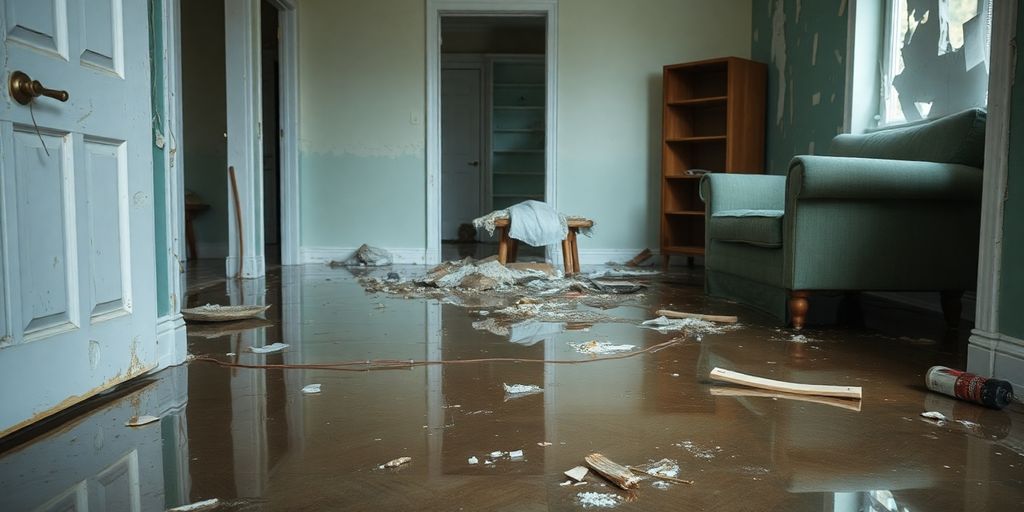
Once your home is clean and dry, it’s time to focus on fixing any structural issues caused by the flood. This can include:
- Fixing broken walls and floors
- Replacing damaged roofing
- Repairing or replacing windows and doors
For major repairs, it’s best to hire a professional to ensure everything is done safely and correctly.
Restoring Electrical and Plumbing Systems
After addressing structural repairs, you’ll need to check your home’s electrical and plumbing systems. This is crucial because water can cause serious damage to these systems. Here are some steps to follow:
- Inspect all wiring and outlets for water damage.
- Check plumbing for leaks or blockages.
- Replace any damaged fixtures or appliances.
Replacing Damaged Furnishings and Appliances
Finally, you’ll want to look at your personal belongings. Some items may be beyond repair, while others can be cleaned and restored. Consider the following:
- Sort items into three categories: salvageable, repairable, and discard.
- For items like clothing and dishes, washing and disinfecting can often restore them.
- For valuable items, consider professional restoration services.
Remember, the goal is to bring your home back to its original state or even improve it. This process can be emotional, but it’s also a chance to create a better living space.
By following these steps, you can effectively manage the repair and restoration process after flood damage, ensuring your home is safe and comfortable again. Prompt action is key to a successful recovery!
Preventive Measures for Future Floods
Installing Flood Barriers and Sump Pumps
To protect your home from future floods, consider installing flood barriers and sump pumps. Flood barriers can help redirect water away from your property, while sump pumps remove excess water from basements and crawlspaces. Here are some key points to remember:
- Flood barriers can be temporary or permanent.
- Sump pumps should be regularly maintained to ensure they work when needed.
- Consider a backup power source for sump pumps to keep them running during power outages.
Using Water-Resistant Building Materials
When repairing or building, using water-resistant materials can significantly reduce flood damage. Here are some materials to consider:
- Concrete for foundations and walls.
- Water-resistant drywall for areas prone to flooding.
- Vinyl flooring that can withstand moisture.
Developing a Comprehensive Flood Preparedness Plan
Having a flood preparedness plan is essential for minimizing damage. Here’s how to create one:
- Identify flood-prone areas around your home.
- Create an emergency kit with essential supplies.
- Establish a communication plan with family members.
By taking these steps, you can greatly reduce the risk of flood damage in the future. Preparation is key to protecting your home and loved ones from the devastating effects of flooding.
Summary
Implementing these preventive measures can help safeguard your home against future floods. Remember, timely action can make a significant difference in protecting your property and ensuring your family’s safety.
Navigating Insurance and Professional Services
Understanding Flood Insurance Policies
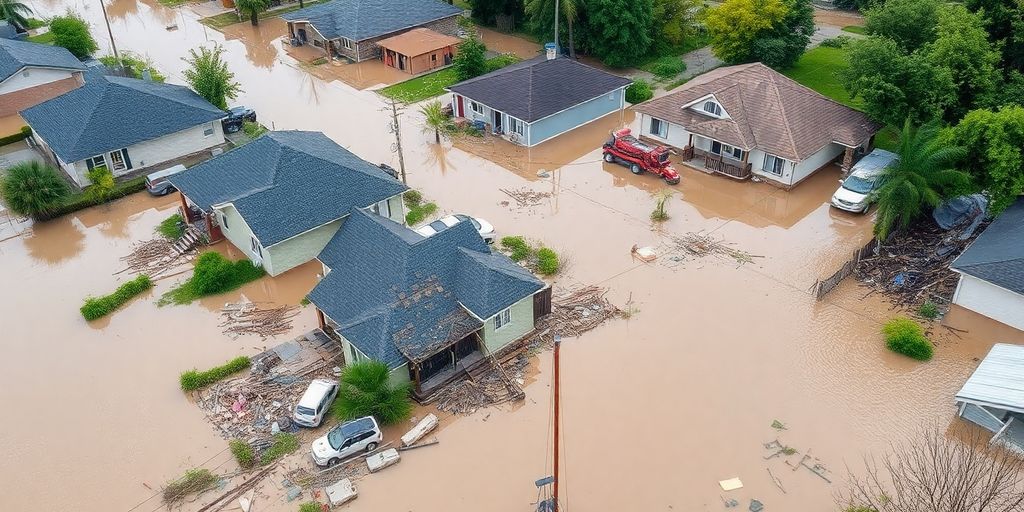
Navigating the world of flood insurance can be tricky. Many homeowners are unaware that standard policies often do not cover flood damage. To protect your property, you may need to purchase separate flood insurance through the National Flood Insurance Program. Here are some key points to consider:
- Know Your Coverage: Understand what your policy covers and what it excludes.
- Document Everything: Take photos and keep records of any damage to support your claim.
- Consult an Expert: If you’re unsure about your coverage, speak with an insurance agent before a disaster strikes.
When to Hire Professional Remediation Services
After a flood, you might need professional help to restore your property. Here are signs that you should consider hiring experts:
- Extensive Damage: If the damage is severe, professionals can assess and handle it better.
- Mold Concerns: If you suspect mold growth, it’s best to call in specialists.
- Complex Repairs: For complicated repairs, professionals have the right tools and experience.
Working with Contractors and Inspectors
Once you decide to hire professionals, it’s important to work effectively with them. Here are some tips:
- Get Multiple Quotes: Compare prices and services from different contractors.
- Check References: Look for reviews or ask for references to ensure quality work.
- Stay Involved: Keep communication open and ask questions throughout the process.
Remember, timely action can significantly impact your recovery process. Following the right steps can help you navigate the insurance claims and restoration process more smoothly. Explore key flood damage recovery steps to ensure a smooth recovery process.
When dealing with insurance and professional services, it’s important to know your options. At Ruach Home Services, we’re here to help you navigate through the process smoothly. Don’t hesitate to reach out for assistance or to learn more about our services. Visit our website today!
Conclusion
Recovering from a flood can be really tough, but it’s important to remember that you are not alone in this process. Each step you take, from cleaning up to repairing your home, brings you closer to feeling normal again. It might take time, and you may face challenges along the way, but with patience and determination, you can rebuild not just your house, but your sense of safety and comfort. Use what you’ve learned to prepare for the future, making your home stronger against floods. This journey is about turning a difficult experience into a chance for growth and resilience. Remember, every small victory counts, and soon, you will see your home transformed into a place of hope and strength.
Frequently Asked Questions
What is flood damage remediation?
Flood damage remediation is the process of cleaning up and restoring a property after it has been affected by flooding. This includes removing water, drying out the area, cleaning, and repairing any damage.
How can I ensure my safety after a flood?
Before entering a flooded area, make sure it is safe. Wear protective gear like boots and gloves, and avoid touching electrical appliances or wires. Wait for local authorities to tell you it’s safe to go back.
What should I do first after my home floods?
The first thing to do is call your insurance company to report the flood. Then, document the damage by taking pictures, which will help with your insurance claim.
How do I remove water from my home after a flood?
You can use pumps or wet vacuums to remove standing water. If there’s only a little water, towels can help soak it up. Running fans and dehumidifiers can also speed up the drying process.
What cleaning methods should I use after a flood?
Start by cleaning all surfaces with soap and water. After that, disinfect surfaces to kill germs and mold. You might need to use special odor eliminators if there’s a musty smell.
How can I prevent future flooding in my home?
To prevent future floods, consider installing sump pumps, using water-resistant materials for your home, and creating a flood preparedness plan to know what to do if flooding occurs again.