When disaster strikes, getting services back up and running is a top priority. It’s not just about fixing things; it’s about ensuring that communities can bounce back quickly. This article dives into the strategies that make restoring services after a disaster effective and efficient. From planning ahead to using the latest tech, we’ll cover what you need to know to get things back to normal.
Key Takeaways
- Restoration is about rebuilding what was lost, while recovery focuses on resilience and future readiness.
- Pre-disaster planning is crucial, involving community partnerships and a solid recovery plan.
- Immediate actions post-disaster should prioritize damage assessment and stabilization.
- Long-term strategies should aim at building resilience and incorporating sustainable practices.
- Technology, like cloud solutions and data analytics, plays a vital role in speeding up restoration efforts.
Understanding the Restoration of Services After a Disaster
Defining Restoration vs. Recovery
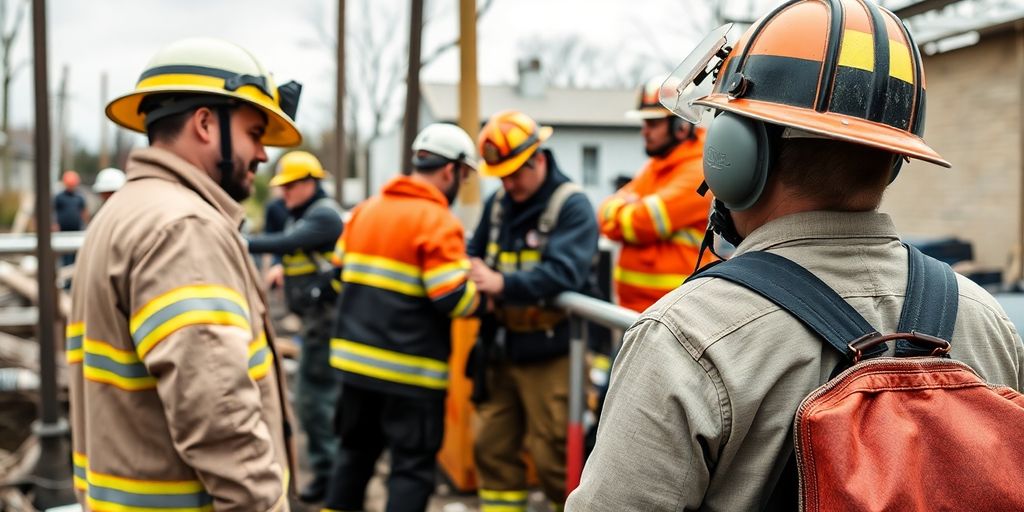
When a disaster strikes, the terms "restoration" and "recovery" often get tossed around. But they’re not the same. Restoration is all about getting things back to how they were before the disaster hit. It’s fixing buildings, restoring power, and making roads usable again. On the other hand, recovery is more about the long haul. It’s about making sure the community can bounce back stronger and be better prepared for the next time disaster decides to pay a visit.
Key Challenges in Service Restoration
Restoring services after a disaster isn’t a walk in the park. There are tons of challenges that pop up. Here’s a quick rundown:
- Resource Allocation: There’s always a scramble to get enough resources like manpower, equipment, and materials.
- Infrastructure Damage: Roads, bridges, and utilities might be knocked out, making it tough to even start repairs.
- Communication Gaps: Keeping everyone in the loop, especially when phone lines are down, can be a real headache.
Importance of Timely Restoration
Getting services back up and running quickly is a big deal. Why? Because it helps stabilize the community and gets things moving again. Schools can reopen, businesses can start trading, and families can get back to some kind of normal. Delays in restoration can lead to prolonged suffering and economic downturns, making quick action a top priority.
"The faster we restore services, the quicker the community heals and rebuilds its spirit."
Pre-Disaster Planning for Effective Service Restoration
Mitigation and Preparedness Strategies
Before disaster strikes, having a solid plan in place can make all the difference. Mitigation and preparedness are about reducing potential risks and being ready to act. Start by identifying the vulnerabilities in your community or organization. This might involve assessing infrastructure, reviewing emergency protocols, or investing in protective measures. Regular drills and training sessions can ensure everyone knows what to do when the time comes.
Role of Community and Business Partnerships
Strong partnerships can be a lifeline during a crisis. Building relationships with local businesses and community groups before a disaster can streamline response efforts. Consider creating a network where resources and information can be shared quickly. This collaboration can lead to faster recovery times and a more resilient community overall.
Creating a Comprehensive Disaster Recovery Plan
A well-thought-out disaster recovery plan is essential. This plan should outline clear roles and responsibilities, communication strategies, and steps for resource allocation. Include contingencies for various scenarios, and ensure the plan is regularly updated and tested. Having this roadmap can reduce chaos and confusion when a disaster occurs.
Pre-disaster planning is not just about having a plan on paper; it’s about building a culture of preparedness and resilience. When everyone knows their role and the steps to take, the path to recovery becomes clearer and more achievable.
Immediate Actions for Service Restoration Post-Disaster
Assessing Damage and Prioritizing Needs
When a disaster hits, the first step is to assess the damage. Not just a quick glance, but a thorough look at every nook and cranny. This means checking out structural damage, like walls and roofs, and don’t forget the less obvious stuff like waterlogged furniture or broken machinery. Take pictures of everything. Insurance companies love documentation, and it’ll help you remember what needs fixing.
Once you’ve got a handle on the damage, it’s time to prioritize. You can’t fix everything at once, so figure out what’s most critical. Is it the roof that’s about to cave in? Or maybe it’s the electrical system that’s on the fritz? Make a list, and start at the top.
Stabilizing the Situation
After assessing the damage, the next move is stabilizing the situation. This involves making sure things don’t get worse. Think of it as damage control. You might need to add some temporary supports to a sagging roof or pump out water to prevent mold. It’s about keeping the current situation from spiraling out of control.
This stage is crucial because it sets the foundation for the full restoration process. If you don’t stabilize, you might end up with more problems down the line.
Engaging with Emergency Services
Don’t try to do it all alone. Reach out to local emergency services. They’re the experts, and they’ve got the tools and know-how to help. Whether it’s firefighters, paramedics, or other specialists, these folks can offer guidance and assistance.
It’s also a good idea to connect with organizations like the National Disaster Recovery Framework (NDRF). They can provide resources and support that are invaluable during these tough times.
Remember, in the chaos of a disaster, staying calm and organized can make all the difference. Prioritize tasks, seek help, and take things one step at a time.
Long-Term Strategies for Service Restoration and Community Resilience
Building Resilient Infrastructure
In the aftermath of a disaster, it’s crucial to focus on creating infrastructure that isn’t just restored to its former state but is also more capable of withstanding future challenges. Investing in resilient infrastructure means considering the vulnerabilities exposed by the disaster and addressing them head-on. For example, if flooding was a major issue, communities might invest in improved drainage systems or elevate structures. It’s about turning lessons learned into tangible improvements.
Incorporating Sustainable Practices
Adopting sustainable practices during the restoration process can significantly benefit both the environment and the community. This includes using eco-friendly materials, promoting energy efficiency, and integrating renewable energy sources. By doing so, communities not only rebuild but also reduce their environmental footprint, paving the way for a more sustainable future.
Continuous Improvement and Learning
The road to recovery doesn’t end once services are restored. Continuous improvement is key. Communities should regularly review and update their disaster response and recovery plans. This ongoing evaluation helps ensure that they are better prepared for any future events. Moreover, fostering a culture of learning and adaptation can greatly enhance a community’s resilience over time.
Long-term recovery after a natural disaster emphasizes the importance of rebuilding communities, restoring essential services, and addressing the enduring effects of the event. Read more
Leveraging Technology in the Restoration of Services
Utilizing Disaster Recovery-as-a-Service (DRaaS)
In the chaos following a disaster, having a solid plan for data recovery is crucial. Disaster Recovery-as-a-Service (DRaaS) offers a lifeline by providing managed disaster recovery solutions. This service allows organizations to outsource their recovery operations to experts, ensuring all aspects are covered. DRaaS not only safeguards data but also helps businesses resume operations swiftly, minimizing downtime. A well-implemented DRaaS can mean the difference between a minor hiccup and a major setback.
Implementing Cloud Solutions for Quick Recovery
Cloud technology is a game-changer when it comes to disaster recovery. By storing data in the cloud, businesses can access their information from anywhere, ensuring business continuity even if physical locations are impacted. The cloud’s flexibility allows for quick scaling, adapting to the needs of the moment. With cloud solutions, recovery becomes not just about getting back to normal, but about doing so efficiently and effectively. It’s like having an insurance policy for your data, ensuring it’s safe no matter what happens.
Role of Data and Analytics in Restoration Efforts
Data and analytics play a pivotal role in understanding the scope of a disaster and planning the recovery process. By analyzing data, organizations can identify which areas need immediate attention and allocate resources accordingly. Analytics can reveal patterns and insights that might not be obvious at first glance, helping to prioritize tasks and streamline operations. This data-driven approach ensures that recovery efforts are both targeted and efficient, ultimately speeding up the restoration process.
In the aftermath of a disaster, technology isn’t just a tool—it’s a partner in the journey to recovery. By harnessing modern tech solutions, we can build a more resilient future, ready to face any challenge.
Collaborative Efforts in Service Restoration
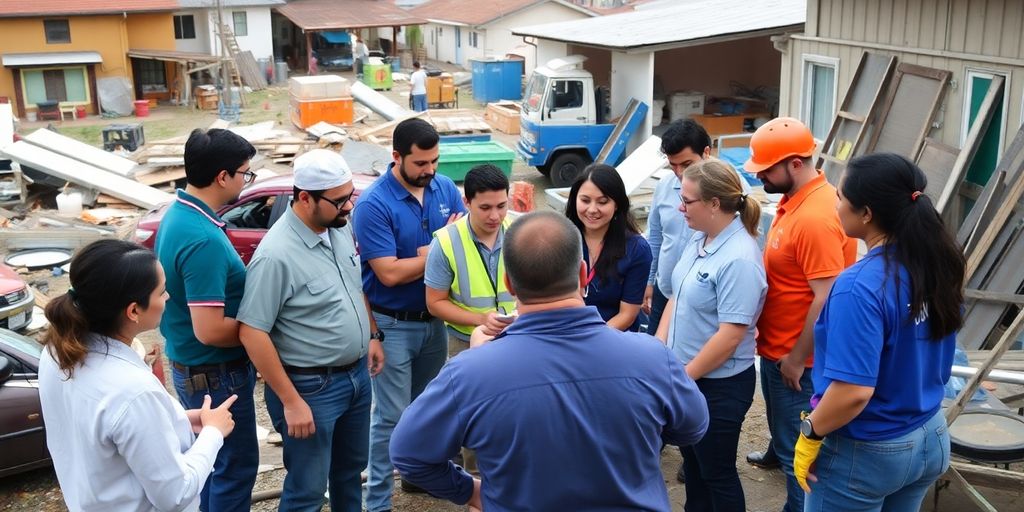
When disaster strikes, the role of government and NGOs becomes critical in restoring services. They provide the necessary resources and expertise to manage the immediate aftermath and long-term recovery. Governments can offer financial aid, infrastructure support, and policy frameworks that guide restoration efforts. NGOs, on the other hand, often bring specialized skills, such as medical assistance or logistics management. Together, they create a synergy that can significantly speed up the restoration process.
Community Involvement and Empowerment
Community involvement is the backbone of any successful restoration effort. Local residents know their community best and can provide valuable insights into what needs attention first. Empowering community members to take an active role in the recovery process fosters a sense of ownership and resilience. This can be achieved through community meetings, volunteer programs, and local task forces that address specific needs.
Coordinating with Local Businesses
Local businesses play a vital role in the restoration of services. They not only provide essential goods and services but also offer employment opportunities that can help stabilize the local economy. Coordination with businesses can facilitate the quick reopening of shops and services, which is crucial for community morale. Businesses can also collaborate with organizations like Ruach Home Services to address specific restoration needs, such as storm damage repair and water damage restoration.
Effective collaboration in disaster recovery requires a multi-faceted approach that includes government, NGOs, community members, and local businesses. By working together, these groups can create a robust framework for restoring services and building a resilient community.
Financial and Legal Considerations in Service Restoration
Navigating Insurance Claims
After a natural disaster, one of the first steps in restoring services is dealing with insurance claims. Documenting everything meticulously is crucial. Take photos of all damages, from structural issues to equipment failures. This evidence is essential when submitting claims to your insurance provider.
- Snap pictures as soon as you can safely access your facilities.
- Keep receipts for any repairs or replacements made during the restoration process.
- Regularly communicate with your insurance company to understand the coverage and claim procedures.
These steps can help ensure you get the most out of your insurance policy, aiding in financial recovery and service restoration.
Accessing Relief Programs and Funding
In the aftermath of a disaster, various relief programs and funding opportunities become available. These can be from government sources, non-profits, or even private sectors. It’s important to stay informed about these opportunities, as they can provide critical financial support.
- Research local and federal relief programs that apply to your situation.
- Apply for grants or low-interest loans designed for disaster recovery.
- Collaborate with community organizations to maximize available resources.
These funds can be pivotal in covering costs that insurance might not, ensuring a smoother restoration process.
Understanding Legal Obligations and Compliance
Legal considerations are just as important as financial ones when restoring services. Compliance with local, state, and federal regulations is non-negotiable. This includes building codes, environmental regulations, and health and safety standards.
- Review all relevant legal requirements before beginning restoration work.
- Consult with legal experts to ensure compliance and avoid potential fines or legal troubles.
- Stay updated on any changes in regulations that could affect your restoration efforts.
Being proactive about legal compliance not only avoids penalties but also ensures a safer and more efficient restoration process.
In the chaos following a disaster, it’s easy to overlook the importance of financial and legal planning. However, these elements are integral to a successful recovery. They provide the structure and support needed to rebuild effectively and sustainably.
For those needing immediate assistance, remember to prioritize recovery by reaching out to disaster recovery services and your insurance provider.
Health and Safety in the Restoration Process
When disaster strikes, the safety of those involved in restoration efforts is paramount. It’s crucial to establish a safe working environment for everyone on site. This involves assessing potential hazards such as unstable structures, exposed electrical wiring, or hazardous materials. Implementing safety protocols like wearing protective gear, setting up barriers, and clear signage can help minimize risks. Regular safety briefings ensure everyone is aware of potential dangers and how to handle emergencies.
Addressing Mental Health and Well-being
Disasters don’t just affect physical structures; they take a toll on mental health too. Volunteers and workers might experience stress, anxiety, or even trauma. Offering mental health support, like counseling services and stress relief activities, can be beneficial. Encouraging open communication and providing platforms for sharing experiences can foster a supportive community atmosphere.
Implementing Health Protocols and Safety Measures
In any disaster recovery effort, implementing strict health protocols is vital. This includes regular health check-ups, access to medical facilities, and ensuring proper sanitation. Health protocols should cover everything from basic hygiene practices to more complex measures like vaccination drives if necessary. Keeping track of health metrics and responding swiftly to any outbreaks of illness can prevent further complications during the restoration process.
The restoration process isn’t just about rebuilding structures; it’s about rebuilding lives. Ensuring the health and safety of everyone involved is a step towards a resilient recovery. Prioritizing health and safety not only protects individuals but also strengthens the entire community’s ability to bounce back.
When restoring your home, keeping health and safety in mind is crucial. Always wear protective gear and ensure proper ventilation to avoid hazards. If you need help with restoration, visit our website for expert assistance and tips!
Conclusion
Wrapping up, bouncing back after a disaster isn’t just about fixing what’s broken. It’s about building something stronger and more prepared for whatever comes next. Sure, getting the physical stuff back in order is important, but it’s also crucial to think about how to make your business more resilient. This means putting in place new policies and processes that can help you weather future storms. By focusing on resilience, businesses not only help themselves but also play a key role in helping the community recover. It’s a chance to learn, adapt, and come out better on the other side. So, while the road to recovery might be tough, it’s also an opportunity to grow and improve.
Understanding the Restoration of Services After a Disaster
What is the difference between restoration and recovery?
Restoration is about fixing things to get back to normal, like repairing buildings or roads. Recovery is making things even better, so they can handle future problems better.
Why is it important to restore services quickly after a disaster?
Restoring services quickly helps people get back to their daily lives and can also boost the local economy.
What are some challenges in restoring services after a disaster?
Challenges can include damaged infrastructure, lack of resources, and coordinating between different organizations.
How can businesses help in community recovery?
Businesses can help by providing jobs, supporting local services, and working with other community members to rebuild.
What role do community partnerships play in restoration?
Community partnerships can bring together resources and knowledge, making the restoration process more efficient and effective.
How can pre-disaster planning help in restoration?
Planning ahead can help identify potential risks and create strategies to minimize damage, making it easier to restore services after a disaster.