Water damage is something most homeowners dread. Whether it’s a leaky pipe or a full-on flood, the aftermath can be a real headache. The good news is, there are ways to prevent and manage water damage before it gets out of hand. This article will walk you through some practical strategies for keeping your home safe from water-related disasters. From simple DIY fixes to knowing when to call in the pros, we’ve got you covered. Let’s dive into these water damage control tips that every homeowner should know.
Key Takeaways
- Regularly check your plumbing for signs of wear and tear to catch leaks early.
- DIY methods can handle minor water issues, but know your limits and call professionals for bigger problems.
- Familiarize yourself with your home’s main water shut-off valve for emergencies.
- Consider investing in smart home tech like leak detectors to prevent water damage.
- Properly store and protect valuable items to minimize loss from potential water damage.
Proactive Maintenance For Water Damage Control
Regular Inspection Of Plumbing Systems
Keeping an eye on your plumbing system might sound like a chore, but it’s a biggie when it comes to avoiding water damage. Think of it as a routine check-up for your house. Regular inspections can catch small issues before they turn into major headaches. Look for signs like damp spots, mold, or weird noises in your pipes. This way, you can fix things before they spiral out of control.
- Check Hoses and Connections: Inspect washing machine and dishwasher hoses for any signs of wear or damage.
- Look for Leaks: Pay attention to any drips or leaks in faucets and toilets.
- Inspect Pipes: Make sure your pipes aren’t corroded or cracked.
Understanding Water Pressure
Water pressure is one of those things you don’t really think about until it’s too late. Too much pressure can strain your pipes and lead to leaks or bursts. Check your water pressure regularly and adjust it if necessary. Most homes have a pressure regulator, but it’s good to know how to use it.
- Optimal Pressure Range: Keep it between 40-60 psi.
- Use a Pressure Gauge: Easily available at hardware stores, helps you monitor pressure levels.
- Consult a Plumber: If you notice persistent high pressure, it might be time to call in a pro.
Identifying Early Signs Of Leaks
Spotting leaks early can save you a ton of trouble down the road. It’s not just about looking for puddles; sometimes, the signs are more subtle.
- Watch for Damp Spots: Check your ceilings and walls for any discoloration or dampness.
- Listen for Running Water: If you hear water running when no taps are open, it might be a leak.
- Monitor Your Water Bill: An unexpected increase could mean there’s a hidden leak somewhere.
Taking a proactive approach to water damage means being vigilant. Your home is a major investment, and a little maintenance can go a long way in keeping it safe. Don’t wait for problems to find you—seek them out and tackle them head-on. It’s all about staying one step ahead of potential disasters.
DIY Strategies For Minor Water Incidents
Containing The Source Of Water
When water starts leaking or spilling, the first thing you gotta do is find the source and stop it. Shut off the water supply to the affected area. If you can’t pinpoint the exact valve, just turn off the main water supply to your home. This is especially crucial if the leak is from a burst pipe or faulty appliance. For situations where water is coming in from outside, like during a storm, try using sandbags or buckets to slow down the flow.
Effective Spill Management Techniques
Once you’ve stopped the water from flowing, it’s time to tackle the spill itself. For small spills, grab some towels or rags and soak up as much water as you can. For bigger messes, use a wet vacuum or buckets to remove the water. Start from the edges of the spill and work your way inward to prevent spreading. If there’s water on the carpet, blot it up gently and sprinkle some baking soda to absorb moisture.
Promoting Airflow For Quick Drying
After you’ve dealt with the water, focus on drying the area as fast as possible. Open windows and doors to let fresh air in. Use fans to boost airflow and speed up the drying process. If you have a dehumidifier, now’s the time to use it. This will help reduce moisture in the air and prevent mold growth. Keep an eye on carpets and upholstery to ensure they’re drying properly, and consider renting a carpet cleaner for a thorough job.
Quick action and a bit of know-how can save you a lot of trouble when dealing with minor water incidents. But remember, if things get out of hand, don’t hesitate to call in the pros.
Emergency Preparedness For Water Damage
Knowing Your Main Water Shut-Off Valve
One of the most critical steps in preventing extensive water damage is knowing where your main water shut-off valve is located. In the event of flooding, the initial step is to shut off the water supply to prevent additional damage. This is crucial if the flooding is caused by a burst pipe or other water source. Taking immediate action can help mitigate the impact of water damage. Make sure everyone in your household knows how to operate it.
Creating An Emergency Contact List
Having a list of emergency contacts is essential. Include numbers for local water restoration companies, your insurance agent, and utility services. This list should be easily accessible, perhaps on your fridge or saved in your phone.
Stocking Up On Essential Supplies
Prepare a kit with essential supplies to handle minor water incidents. This should include items like:
- Buckets and mops
- Towels and sponges
- A wet/dry vacuum
- Fans or dehumidifiers
This kit will help you respond quickly to small leaks or spills, minimizing damage until professional help arrives.
Keep in mind that being prepared can significantly reduce stress and potential damage when water issues arise. A little preparation goes a long way in protecting your home.
Professional Help For Severe Water Damage
When To Call A Water Restoration Company
Sometimes, despite your best DIY efforts, the situation calls for professional help. Extensive water damage or contamination often requires the expertise of a water restoration company. If you notice mold, which loves damp spaces, it’s time to call in the experts. Mold not only damages your home but can also affect your health. Also, if your valuable items like heirlooms or electronics are affected, professionals can help increase the chances of saving them. Remember, to prevent mold growth and significant structural damage, it’s crucial to reach out to a water damage restoration professional within 24 to 48 hours after water exposure.
Understanding The Restoration Process
Working with a restoration company involves several steps. They start with a thorough assessment to understand the extent of the damage. This is followed by packing and moving your belongings to a safe place, where they can be restored. Professionals use specialized techniques and equipment to clean and deodorize your items. Once everything is restored, they return your belongings to your home.
Evaluating Insurance Coverage
Before disaster strikes, it’s wise to check your insurance policies. Many standard homeowner policies don’t cover flood damage, so you might need additional coverage. It’s also important to know if your policy covers sump pump failures or sewage backups. Understanding what your insurance covers can save you from unexpected expenses. If in doubt, a professional can help you navigate the complexities of insurance claims, making the process smoother and less stressful.
In the aftermath of severe water damage, having a trusted professional by your side can make all the difference in restoring your home and peace of mind.
Utilizing Technology For Water Damage Prevention
Smart Leak Detectors
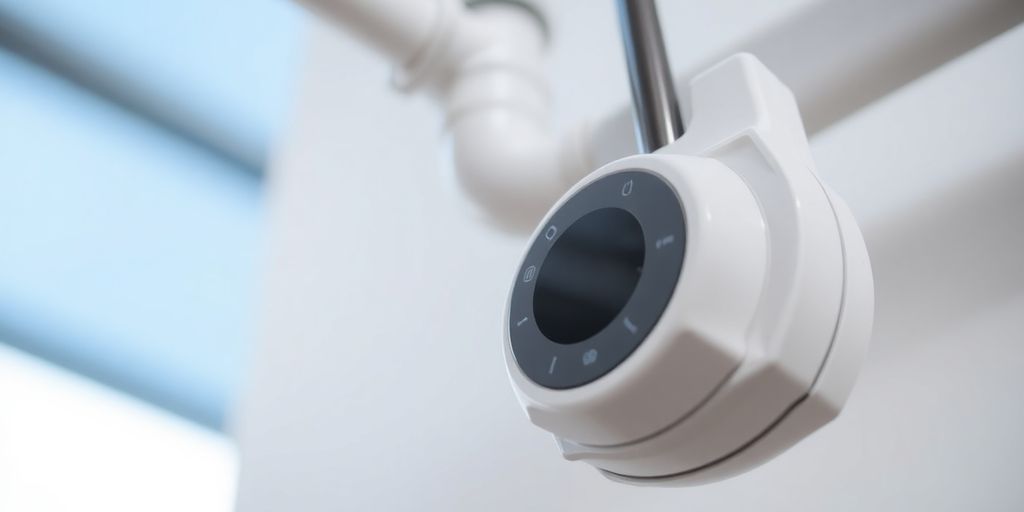
Incorporating smart leak detectors into your home can be a game-changer when it comes to preventing water damage. These devices are designed to alert you at the first sign of water leaks, giving you the chance to address issues before they escalate. Smart leak detectors can be installed near appliances, under sinks, or in basements where leaks are more likely to occur. They come in a variety of options, from basic models that simply alert you to more advanced systems that can connect to your smartphone.
- Choose between DIY or professional installation based on your comfort level.
- Look for detectors that offer smartphone alerts for immediate notification.
- Consider models with automatic water shut-off features for added protection.
Automated Shut-Off Valves
Automated shut-off valves take water damage prevention a step further by automatically stopping the water flow when a leak is detected. This technology is particularly useful for homes that are left unattended for long periods, such as vacation homes. By integrating automated shut-off valves, you can prevent extensive water damage even if you’re not home to react.
- Install these valves at critical points like the main water line or near major appliances.
- Pair them with smart leak detectors for a comprehensive solution.
- Regularly test the valves to ensure they function properly.
Monitoring Water Usage
Keeping tabs on your water usage can help identify unusual patterns that might indicate a leak. Modern water monitoring systems provide real-time data on your water consumption, allowing you to spot discrepancies quickly. Understanding your household’s water usage not only helps in preventing leaks but also in conserving water.
- Set alerts for abnormal water usage patterns.
- Use data to identify peak usage times and potential leaks.
- Leverage this information to make informed decisions about water conservation.
Embracing these technologies not only safeguards your property from potential water damage but also contributes to a more sustainable and efficient home environment. It’s about being prepared and proactive, ensuring peace of mind in your daily life.
Protecting Your Belongings From Water Damage
Safeguarding Valuable Items
Water damage can be devastating, especially when it affects your most cherished belongings. Being proactive is your best defense. Start by identifying items that hold significant value, whether monetary or sentimental. Store important documents, photographs, and heirlooms in waterproof containers or safes. Consider using fireproof safes for added protection. For items that cannot be stored in such containers, elevate them above ground level, especially in areas prone to flooding.
Proper Storage Techniques
Effective storage is key to minimizing water damage. Keep your belongings off the floor, particularly in basements or lower levels of your home. Use shelving units or pallets to elevate items. When storing in boxes, opt for plastic bins with tight-fitting lids rather than cardboard, which can easily absorb water and deteriorate. Label these bins clearly to ensure quick identification in case you need to move them quickly.
Assessing Damage To Irreplaceable Items
In the unfortunate event of water damage, it’s crucial to assess the condition of your irreplaceable items promptly. Gently air-drying them indoors can help prevent further harm. Avoid using hair dryers, irons, or exposing them to direct sunlight, as these methods can cause additional damage. If you’re unsure about the best way to handle certain items, consider consulting a professional conservator for advice on proper restoration.
Long-Term Strategies For Water Damage Control
Regular Maintenance Schedules
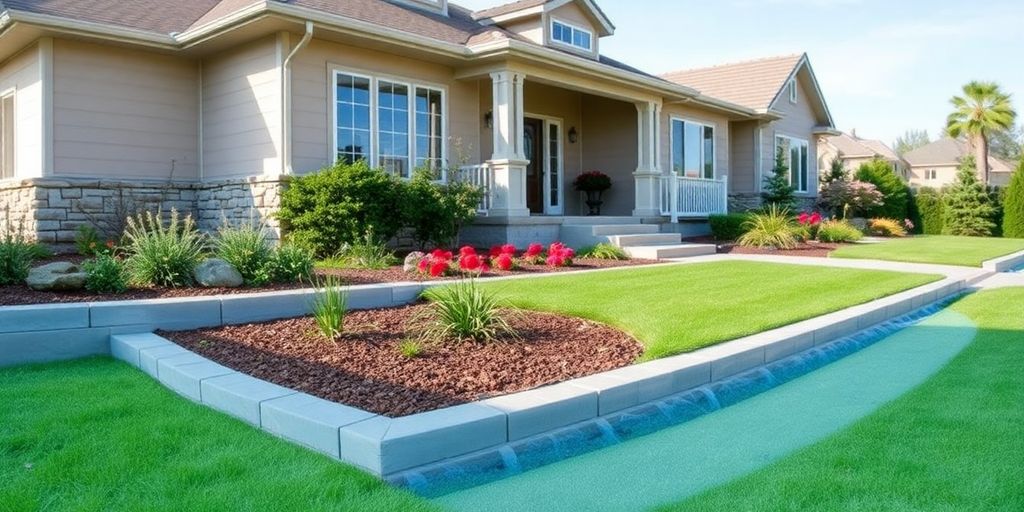
Setting up a regular maintenance schedule is a smart way to prevent water damage. Check your plumbing, appliances, and roof at least once a year. Regular inspections can catch small issues before they become big problems. Don’t wait for something to break; be proactive. Make a checklist of things to look for, like rust on pipes or loose shingles.
Investing In Quality Plumbing Fixtures
It might be tempting to go for the cheapest option when replacing fixtures, but investing in quality can save money in the long run. High-quality fixtures are less likely to leak and often come with better warranties. Look for fixtures that are known for durability and reliability. Spending a bit more upfront can prevent a lot of headaches later.
Understanding Local Flood Risks
Knowing your area’s flood risks can help you prepare better. Check flood maps and talk to your neighbors about their experiences. If you live in a flood-prone area, consider installing sump pumps or raising electrical outlets. Being informed helps you take the right precautions to protect your home.
Taking care of your home is about more than just fixing things when they break. It’s about planning ahead and making smart choices to avoid problems in the first place. By keeping up with maintenance, choosing quality products, and understanding your environment, you can keep your home safe from water damage.
To effectively manage water damage over time, it’s crucial to have a solid plan in place. Regular inspections and maintenance can help catch issues early, preventing costly repairs later. If you want to learn more about how to protect your home from water damage, visit our website for expert tips and services!
Conclusion
Water damage is one of those things that can sneak up on you if you’re not careful. But with a bit of foresight and some simple steps, you can keep your home safe and sound. Regular checks on your plumbing, being ready for emergencies, and knowing when to call in the pros can make all the difference. It’s all about staying ahead of the game. So, take a little time now to prevent a big headache later. Your home—and your peace of mind—will thank you for it.
Frequently Asked Questions
How can I prevent water damage in my home?
To prevent water damage, regularly check your plumbing for leaks, maintain your appliances, and ensure proper drainage around your home. Knowing where your main water shut-off valve is can also help in emergencies.
What should I do if I find a leak?
If you find a leak, try to stop the water flow by turning off the nearest shut-off valve or the main water supply. Then, clean up any water and call a professional if the leak is severe.
Can I handle water damage on my own?
You can handle minor water incidents by stopping the water source, cleaning up the spill, and ensuring the area is dry. For larger or more severe damage, it’s best to call a professional.
When should I call a professional for water damage?
Call a professional if the water damage is extensive, if you see mold, or if valuable items are affected. Professionals have the right tools and expertise to handle severe cases.
What tools can help prevent water damage?
Smart leak detectors and automated shut-off valves can help catch leaks early. Monitoring your water usage can also alert you to potential problems.
Does homeowners insurance cover water damage?
Homeowners insurance often covers sudden and accidental water damage but not gradual issues like leaks. It’s best to check your policy or talk to your insurance agent for details.