Ever found a little puddle in your house and thought, “Where’s that coming from?” Water leaks can sneak up on you, causing bigger issues if not tackled early. Knowing how to handle them can save you a lot of stress and money. This guide breaks down the basics of home water leak repair, offering tips and tricks every homeowner should know.
Key Takeaways
- Water leaks can lead to major home damage if not addressed promptly.
- Identifying the source of a leak is the first step in any repair process.
- DIY repairs require the right tools and a bit of patience.
- Some leaks are best left to professionals, especially if they’re hard to reach.
- Regular maintenance can prevent leaks from happening in the first place.
Understanding the Basics of Home Water Leak Repair
Identifying Common Leak Sources in Your Home
Water leaks can be sneaky and pop up in unexpected places. Recognizing where they typically occur can save you a lot of hassle. In the kitchen, keep an eye under the sink, around the faucet, and near the dishwasher for any signs of moisture. Bathrooms are notorious for leaks, so regularly check the shower, bathtub drain, toilet, and sink areas. The laundry room isn’t exempt either; washing machine hoses and utility sinks can be trouble spots. Don’t forget the water heater—look for pooling water or rust around its base. Basements and crawl spaces often hide leaks, showing signs of dampness or mold growth.
Essential Tools for DIY Water Leak Repair
If you’re planning to tackle a water leak yourself, having the right tools is crucial. Start with a good quality wrench and pliers for tightening fittings. Plumbing tape and putty are your best friends when sealing leaks. A pipe cutter can come in handy if you need to replace sections of pipe. Don’t forget a flashlight to spot those hard-to-see leaks, and always have a bucket on hand to catch any drips. Having these tools ready can make your DIY repair less stressful and more successful.
Safety Precautions to Consider Before Starting Repairs
Safety first, always! Before diving into any repair, make sure to turn off the water supply to prevent any unexpected flooding. Wear protective gloves to avoid cuts or scrapes, and goggles to protect your eyes from debris. Be cautious of slippery floors from water spills. If you’re using any sealants or cleaners, ensure the area is well-ventilated to avoid inhaling fumes. Lastly, if you ever feel unsure about a repair, it’s safer to consult a professional. Ruach Home Services offers expert advice and services, ensuring your home stays safe and sound.
Step-by-Step Guide to Fixing Water Leaks
How to Locate the Source of a Leak
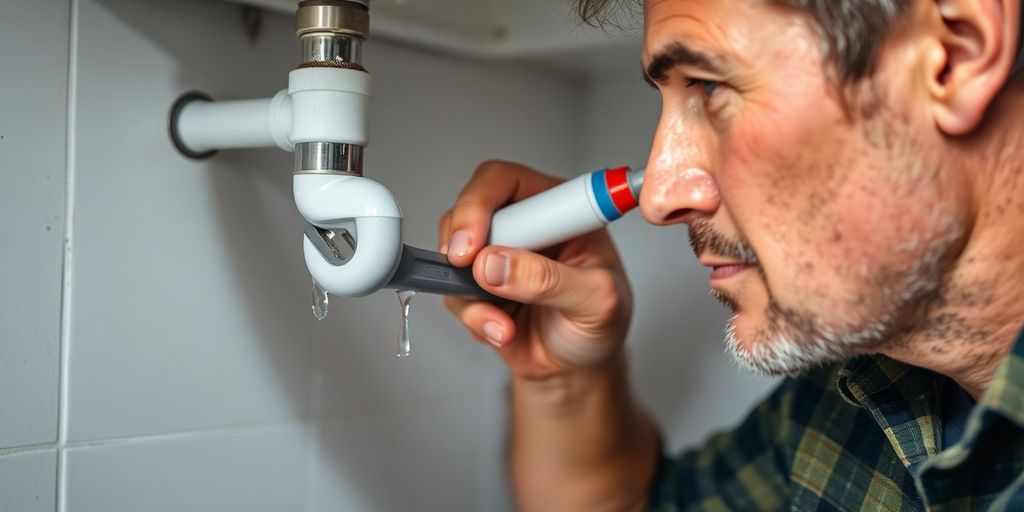
Finding the source of a leak can feel like a detective mission, but it’s essential for effective repair. Start by checking visible pipes and connections for moisture or corrosion. Look for loose fittings, cracked pipes, or damaged seals. If you spot any of these signs, you’ve likely found your culprit. Sometimes, leaks aren’t visible. In these cases, a musty smell or the sound of running water when no fixtures are on can be clues. Using a water leak detector can also help pinpoint hidden leaks.
Techniques for Repairing Different Types of Leaks
Once you’ve identified the leak, it’s time to get hands-on. Here are some common techniques:
- Tightening Connections: If water is seeping from a joint, try tightening it with an adjustable wrench. This simple fix can often stop a leak in its tracks.
- Replacing Damaged Sections: For pipes showing signs of wear or corrosion, replacing the affected section might be necessary. Ensure you have the right tools, like a pipe cutter and replacement piping.
- Using Sealants: For small leaks, applying a waterproof sealant or plumbing tape can provide a quick fix. Just ensure the area is clean and dry before application.
Testing Your Repairs for Effectiveness
After completing repairs, testing is crucial to ensure everything is watertight. Turn the water supply back on and observe the repaired area closely. If you spot any drips or moisture, you may need to re-tighten connections or apply additional sealant. It’s also wise to monitor your water bill for any unexplained increases, as this can be a sign of a persistent leak.
Taking the time to properly fix leaks not only saves water but also prevents potential damage to your home’s structure. Remember, a small effort now can prevent a big headache later.
When to Call a Professional for Water Leak Repair
Signs That Indicate You Need Professional Help
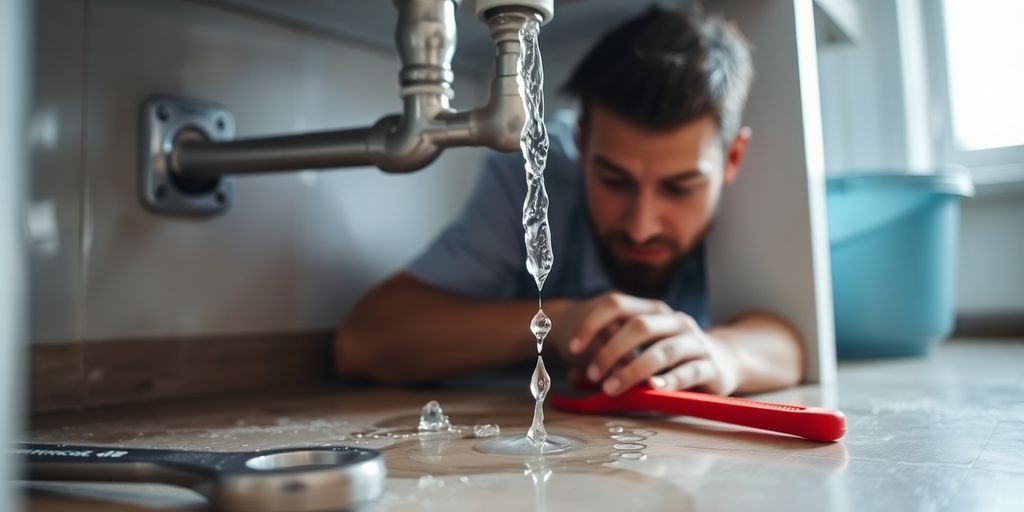
Sometimes, it’s clear when you need to bring in the pros. Here are a few signs:
- Unexplained Water Bills: If your water bill suddenly spikes without any change in your usage, it might be time to call in a plumber.
- Persistent Dampness: If you see a damp patch or water dripping from your wall, it’s important to contact a professional plumber immediately.
- Water Stains or Mold: Noticing water stains on ceilings or walls? Mold growth is another telltale sign.
"Trust your gut. If something feels off with your plumbing, it often is."
Types of Leaks That Require Expert Intervention
Not all leaks are created equal. Some need more than a DIY fix:
- Main Water Line Leaks: These are the big ones. If your main water line is leaking, you need a professional.
- Sewer Line Leaks: Messy and complicated, sewer line issues require special tools and expertise.
- Underground Pipe Leaks: You can’t see them, but you might notice soggy spots in your yard.
Choosing the Right Plumber for Your Needs
Finding the right plumber isn’t just about picking the first name in the phone book. Consider these tips:
- Check Licenses and Insurance: Make sure your plumber is licensed and insured to avoid any liability.
- Compare Reviews: Look at what other customers have to say. Online reviews can be a goldmine of information.
- Get Multiple Quotes: Don’t settle on the first quote. Compare prices to make sure you’re getting a fair deal.
Hiring a local expert can also be beneficial. They know the area and common plumbing issues, which can save you time and hassle.
Preventative Measures to Avoid Future Water Leaks
Regular Maintenance Tips for Homeowners
Keeping an eye on your home’s plumbing is like taking your car for regular check-ups. You don’t want to wait until something breaks down. Regular inspections can catch small issues before they turn into big headaches. Here are some things to keep in mind:
- Check your pipes: Look for signs of wear or damage. Rusty pipes or joints that are a bit loose can be a sign of trouble.
- Inspect gaskets and seals: These are the unsung heroes of your plumbing system. Make sure they’re in good shape, especially around appliances like washing machines and dishwashers.
- Monitor water pressure: High water pressure might seem like a good thing, but it can stress your pipes and lead to leaks.
Installing Water Leak Detection Systems
Imagine getting an alert on your phone the moment a leak starts. That’s the magic of smart leak detection systems. They keep an eye on moisture levels and can save you from expensive repairs. Here’s why they’re a game-changer:
- Early detection: Catch leaks before they cause damage.
- Real-time alerts: Know immediately if there’s a problem, even if you’re not home.
- Peace of mind: Sleep easy knowing your home is being monitored.
Best Practices for Appliance Installation
Installing appliances might seem straightforward, but a little mistake can lead to big problems. Here’s how to make sure your appliances are set up right:
- Follow the manual: It sounds simple, but many issues come from not following the instructions.
- Use the right tools: Proper tools ensure everything is secure and tight.
- Check for leaks: After installation, run a test cycle to make sure everything’s dry.
Proper installation isn’t just about getting things working; it’s about preventing future problems. A little extra time now can save a lot of stress later on.
For more information on trusted water damage restoration brands and immediate actions to take after a flood, especially for homeowners in Columbia, Maryland, consider exploring trusted brands for water damage restoration.
Common Mistakes to Avoid in Home Water Leak Repair
Using Incorrect Materials or Tools
One of the most frequent slip-ups homeowners make is reaching for the wrong materials or tools when tackling a water leak. Imagine trying to seal a leaky pipe with grease instead of proper plumbing tape or putty. Yeah, it might hold for a second, but it’s not gonna last long. Using the right materials ensures a more durable fix and keeps your plumbing warranty intact. So, before diving in, double-check that your toolbox has the essentials: wrenches, pliers, and proper sealing materials.
Ignoring Early Warning Signs of Leaks
It’s easy to brush off small signs of leaks, like a tiny drip under the sink or a faint musty smell. But trust me, ignoring these early signals can lead to bigger headaches down the road. That little drip could be a sign of a bigger issue lurking beneath the surface. Regularly checking for these signs can save you from costly repairs and water damage later on.
Overlooking the Importance of Regular Inspections
Regular inspections might sound like a chore, but they can be a lifesaver. Think of it like a health check-up for your home. By routinely inspecting your plumbing system, you can catch minor issues before they escalate. Keep an eye on pipes, joints, and valves for any signs of wear or corrosion. Also, don’t forget to choose a reliable plumber for professional inspections when needed. This proactive approach helps maintain your home’s integrity and prevents unexpected water disasters.
Staying on top of maintenance and repairs not only protects your home but also your wallet. A little effort now can prevent a mountain of trouble later.
The Importance of Timely Water Leak Detection
How Water Leaks Can Affect Your Home’s Structure
Water leaks might seem like a minor nuisance at first, but they can wreak havoc on your home’s structure over time. Unchecked leaks can lead to significant structural damage, including weakened foundations, warped floors, and compromised walls. Imagine waking up one day to find your living room floor has turned into a soggy mess or your basement is now a mini swimming pool. Not fun, right?
Here’s a quick look at what could happen:
- Foundation Damage: Water can seep into the foundation, causing cracks and instability.
- Wall and Ceiling Issues: Persistent leaks can lead to mold growth, which not only damages surfaces but also poses health risks.
- Flooring Problems: Hardwood floors can warp, and carpets can become a breeding ground for mold.
The Role of Technology in Leak Detection
Gone are the days when finding a leak meant tearing down walls or floors. With today’s technology, detecting leaks has become much easier and less invasive. Devices like moisture sensors and smart water monitors can alert you to leaks before they turn into disasters.
Consider these tech options:
- Moisture Sensors: These can be placed near potential leak sources, like under sinks or near appliances.
- Smart Water Monitors: These devices track your water usage and alert you to unusual patterns that might indicate a leak.
- Thermal Imaging Cameras: Professionals use these to find hidden leaks behind walls or under floors.
Benefits of Regular Plumbing Inspections
Regular plumbing inspections might sound like a hassle, but they can save you a lot of trouble (and money) in the long run. By catching leaks early, you can avoid larger issues down the line.
Here’s why you should consider scheduling regular checks:
- Prevent Major Damage: Early detection means you can fix small issues before they become big problems.
- Save Money: Fixing leaks promptly can lower your water bill and reduce repair costs.
- Peace of Mind: Knowing your plumbing is in good shape lets you sleep easier at night.
Taking swift action to stop water leaks ensures reduced utility bills, prevention of property damage, and conservation of water resources. It’s not just about saving money; it’s about maintaining a safe and comfortable home environment.
In the end, being proactive with leak detection is all about protecting your home and your wallet. Whether it’s investing in technology or keeping up with regular inspections, a little effort now can prevent a lot of headaches later.
Cost-Effective Solutions for Water Leak Repair
Budget-Friendly DIY Repair Tips
Fixing water leaks yourself can save a ton of cash, and it’s not as hard as you might think. First off, get your hands on some basic tools like wrenches, pipe cutters, and a trusty pipe sealant. These are your go-to items for most small leaks. Always remember to turn off the water supply before you start tinkering.
Here’s a quick list to keep in mind:
- Identify the Leak: Check for any damp spots or drips around your home.
- Gather Your Tools: Make sure you have everything ready before you start.
- Repair the Leak: Use pipe sealants or self-fusing silicone tapes for a quick fix.
Taking the DIY route not only cuts costs but also gives you a sense of accomplishment.
Finding Affordable Professional Services
Sometimes, a leak is just too tricky to handle on your own. In such cases, finding an affordable plumber is key. Start by asking around—friends and family might know someone reliable. Checking online reviews is also a smart move to gauge the quality of service.
- Get Multiple Quotes: Don’t settle for the first plumber you find. Compare prices to ensure you’re getting a fair deal.
- Check Credentials: Verify that the plumber is licensed and insured.
- Ask About Experience: Ensure they have experience with your specific type of leak.
Long-Term Savings Through Preventative Measures
Preventing leaks before they start is the best way to save money in the long run. Regular inspections of your plumbing system can catch small issues before they turn into big, expensive problems. Installing a water leak detection system is also a smart investment.
Investing in prevention not only saves money but also gives you peace of mind knowing your home is protected from water damage.
Regular maintenance and being proactive can make a huge difference in keeping your home leak-free and your wallet happy.
If you’re dealing with a water leak, don’t wait! There are affordable ways to fix it without breaking the bank. Our team at Ruach Home Services is here to help you find the best solution for your home. Visit our website today to learn more and get started!
Conclusion
So, there you have it, folks. Fixing water leaks might seem like a daunting task, but with a bit of patience and the right know-how, it’s totally doable. Remember, catching leaks early can save you a ton of hassle and money down the road. Whether you’re tightening a loose pipe or calling in the pros for those tricky spots, staying on top of things is key. Keep an eye on your plumbing, and don’t be afraid to get your hands a little dirty. Your home—and your wallet—will thank you for it. Happy fixing!
Frequently Asked Questions
How do I know if I have a water leak at home?
You might notice higher water bills, damp spots on walls, or a musty smell. Listen for dripping sounds or look for mold growth.
What tools do I need for fixing water leaks myself?
Basic tools include a wrench, pliers, plumbing tape, and a pipe cutter. Having a bucket and towels handy is also a good idea.
When should I call a plumber for a leak?
If you see water pooling, notice a sudden drop in water pressure, or can’t find the leak’s source, it’s time to call a professional.
Can small leaks cause big problems?
Yes, even tiny leaks can lead to mold, structural damage, and higher water bills if not fixed quickly.
How can I prevent future water leaks in my house?
Regularly check pipes and appliances for wear, keep gutters clean, and consider installing leak detectors.
Why is it important to fix leaks right away?
Fixing leaks quickly prevents water damage, saves money on repairs, and reduces water waste.