Homeownership comes with many responsibilities, and one of the most important is keeping your property in good shape. Property repair is essential for maintaining safety, comfort, and value. This guide offers practical tips and resources to help you understand property repair, whether you want to tackle projects yourself or hire a professional.
Key Takeaways
- Know the common problems that can happen in homes, like leaks or cracks.
- Always check what needs fixing first, especially for safety issues.
- Having the right tools is key for any repair job.
- It’s smart to do small repairs yourself, but know when to get help.
- Budgeting for repairs helps you plan and avoid surprises.
Understanding the Basics of Property Repair
Identifying Common Property Issues
Every homeowner should be aware of the typical problems that can arise in a house. Some common issues include:
- Leaky faucets
- Cracked walls
- Damaged roofs
- Faulty electrical systems
Recognizing these problems early can save you time and money in the long run.
Assessing Repair Needs
Once you identify an issue, the next step is to assess how serious it is. Ask yourself:
- Is it affecting my safety?
- Will it cause more damage if not fixed?
- How much will it cost to repair?
Understanding the severity of the problem helps you decide what to tackle first.
Prioritizing Repairs for Safety
Safety should always come first. Here are some repairs that should be prioritized:
- Electrical issues
- Structural damage
- Plumbing leaks
By focusing on these areas, you can ensure your home remains a safe place to live.
Remember, taking care of small repairs now can prevent bigger problems later.
In summary, knowing how to identify, assess, and prioritize repairs is essential for every homeowner. This knowledge not only helps in maintaining your home but also in making informed decisions about hiring professionals, like those from premium no.1 complete home remodeling | ruach home services, who can assist with more complex issues.
Essential Tools for Property Repair
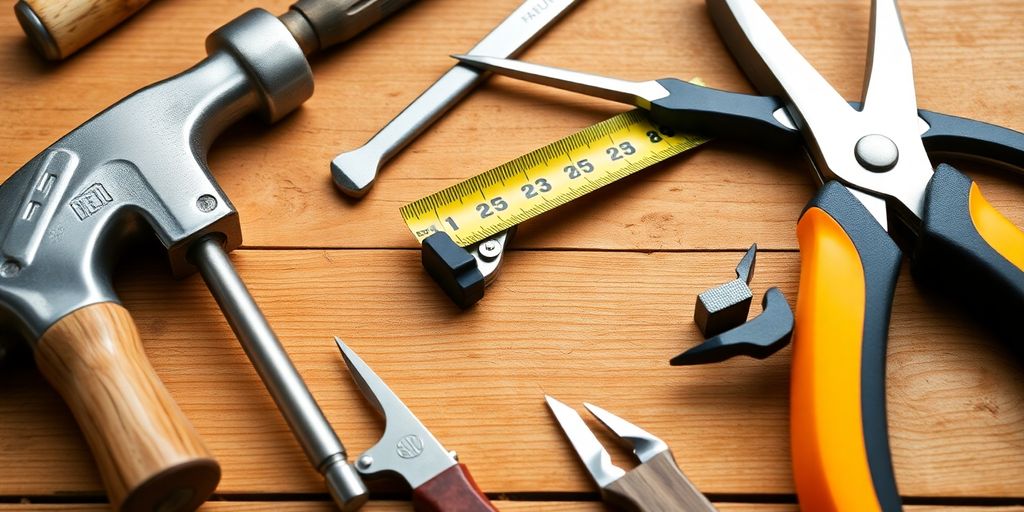
When it comes to fixing things around your home, having the right tools is essential. Every homeowner should invest in a basic toolkit to handle common repairs and improvements. Here are some must-have tools:
Must-Have Tools for Every Homeowner
- Hammer: Great for driving nails into wood.
- Screwdriver Set: Includes both flathead and Phillips screwdrivers.
- Pliers: Useful for gripping and twisting.
- Measuring Tape: Helps you measure spaces accurately.
- Utility Knife: Perfect for cutting various materials.
Safety Gear and Equipment
Safety should always come first. Here are some important safety items:
- Safety Goggles: Protect your eyes from debris.
- Work Gloves: Keep your hands safe from cuts and scrapes.
- Dust Mask: Useful when sanding or working with insulation.
Tool Maintenance and Storage Tips
To keep your tools in good shape, follow these tips:
- Clean your tools after each use to prevent rust.
- Store them in a dry place to avoid moisture damage.
- Regularly check for wear and tear to ensure they work properly.
Remember, for around $500, you can pick up most of the tools you need for DIY-able household repairs and home improvements. Having the right tools not only makes repairs easier but also helps you feel more confident in tackling projects yourself.
DIY Property Repair Tips for Homeowners
Simple Repairs You Can Do Yourself
Many homeowners can tackle basic repairs without needing to hire a professional. Here are some simple tasks you can try:
- Fixing leaky faucets: Often, a worn-out washer is the culprit.
- Patching small holes in walls: Use spackle for a smooth finish.
- Replacing light fixtures: Just remember to turn off the power first!
Avoiding Common DIY Mistakes
When doing repairs yourself, it’s easy to make mistakes. Here are some tips to avoid them:
- Always read instructions carefully before starting.
- Don’t skip safety gear, like gloves and goggles.
- Measure twice, cut once to prevent waste.
When to Call a Professional
While many repairs can be done at home, some situations require expert help. Consider calling a pro if:
- The repair involves electrical work.
- You’re dealing with plumbing issues that seem complex.
- The damage is extensive and beyond your skills.
Remember, taking on repairs can save you money, but knowing your limits is just as important.
For more ideas, check out the title: 98 home repairs you don’t need to call a pro for. You can browse through the following 100 DIY home repairs to find the step-by-step instructions and advice for doing all of them yourself.
Finding Reliable Property Repair Services
When it comes to home repairs, finding the right help is crucial. Choosing a qualified contractor can make all the difference in the quality of work you receive. Here are some tips to help you find reliable property repair services:
- Ask for Recommendations: Talk to friends, family, or neighbors who have had similar work done. They can share their experiences and suggest trustworthy professionals.
- Check Online Reviews: Websites like Yelp or Angie’s List can provide insights into the quality of service from various contractors. Look for those with high ratings and positive feedback.
- Get Multiple Quotes: Don’t settle for the first estimate you receive. Getting several quotes can help you understand the average cost and find the best deal.
Questions to Ask Before Hiring
Before you hire a contractor, make sure to ask these important questions:
- What is your experience with this type of repair?
- Can you provide references from past clients?
- What is your estimated timeline for completion?
Checking References and Reviews
Once you have a few candidates, it’s time to dig deeper:
- Contact References: Speak to previous clients about their experience. Were they satisfied with the work?
- Look for Certifications: Check if the contractor has any relevant licenses or certifications.
- Review Their Portfolio: Ask to see examples of their previous work to gauge their skill level.
Finding a reliable contractor can save you time and money in the long run. Take your time to research and choose wisely.
Remember, neighborly connects you with trusted local handyman service professionals. Here you’ll find trusted brands like Mr. Handyman to help you repair, maintain, and enhance your home.
Budgeting for Property Repairs
When it comes to property repairs, having a solid budget is crucial. Understanding your costs can help you avoid unexpected expenses. Here are some key points to consider:
- Estimating Repair Costs: Start by getting quotes from different contractors. This will give you a better idea of what to expect.
- Setting a Realistic Repair Budget: Make sure to include a buffer for unexpected costs. A good rule of thumb is to add 10-20% to your total estimate.
- Financing Options for Home Repairs: Look into different ways to pay for repairs, such as personal loans or home equity lines of credit.
| Repair Type | Estimated Cost Range |
|---|---|
| Roof Repair | $300 – $1,500 |
| Plumbing Issues | $150 – $1,000 |
| Electrical Work | $200 – $2,000 |
Planning ahead can save you a lot of stress and money in the long run.
Remember, prioritizing your repairs is key. Focus on the most urgent issues first, like leaks or electrical problems, to keep your home safe and sound. Don’t forget to check out services like remodeling services for more extensive projects!
Preventative Maintenance to Avoid Costly Repairs
Seasonal Maintenance Checklist
To keep your home in good shape, follow this seasonal checklist:
- Inspect your roof for missing shingles or leaks.
- Clean gutters to prevent water damage.
- Check smoke detectors and replace batteries.
Routine Inspections and Upkeep
Regular checks can help catch problems early. Here are some areas to inspect:
- Plumbing for leaks or drips.
- Electrical systems for frayed wires.
- HVAC systems for proper airflow.
Long-Term Property Care Strategies
Taking care of your home now can save you money later. Consider these strategies:
- Schedule annual professional inspections.
- Keep a maintenance log to track repairs.
- Invest in quality materials for repairs to last longer.
Regular maintenance is key to avoiding big repair bills.
By following these tips, you can help ensure your home stays safe and comfortable. Remember, prevention is always better than cure!
Navigating Insurance for Property Repairs
Understanding Your Insurance Policy
When it comes to property repairs, the first step is to understand your insurance policy. This document outlines what is covered and what is not. Here are some key points to consider:
- Coverage Types: Know if you have actual cash value or replacement cost coverage.
- Deductibles: Be aware of how much you need to pay out of pocket before insurance kicks in.
- Exclusions: Familiarize yourself with what is not covered by your policy.
Filing a Claim for Property Damage
If you experience damage, filing a claim is essential. Follow these steps to ensure a smooth process:
- Document the Damage: Take photos and write down details of the incident.
- Contact Your Insurer: Call your insurance company to report the damage.
- Submit Your Claim: Fill out the necessary forms and provide all required documentation.
Working with Insurance Adjusters
After filing a claim, an insurance adjuster will assess the damage. Here’s how to work effectively with them:
- Be Prepared: Have all your documentation ready for review.
- Ask Questions: Don’t hesitate to ask the adjuster about the process and what to expect.
- Stay Informed: Keep track of your claim status and follow up if necessary.
Remember, understanding your insurance can save you time and money.
Navigating insurance for property repairs can be tricky, but with the right knowledge, you can make the process easier. If you need help, consider reaching out to professionals who offer 100% reliable insurance claims assistance for restoration & repair services. They can help you with everything from filing claims to coordinating with adjusters, ensuring a smoother experience for you.
When dealing with property repairs, understanding your insurance can be tricky. It’s important to know what your policy covers and how to file a claim. For expert help and guidance, visit our website today!
Conclusion
In summary, taking care of your home is really important. By knowing how to fix common problems and having the right tools, you can save money and keep your house in good shape. Remember, it’s okay to ask for help when you need it. There are many resources available, like online guides and local experts, that can make repairs easier. With a little effort and the right information, you can handle most repairs yourself and enjoy a safe and comfortable home.
Frequently Asked Questions
What are some common property issues that homeowners face?
Homeowners often deal with problems like leaky roofs, broken windows, or plumbing issues. These are some of the most frequent issues.
How can I tell if a repair is needed?
You can look for signs like water stains, cracks in the walls, or strange noises. These could mean something needs fixing.
What tools do I need for basic home repairs?
Essential tools include a hammer, screwdriver, pliers, and a tape measure. These will help you with many small jobs.
When should I try to fix something myself and when should I call a pro?
If the repair seems simple, like changing a light bulb or fixing a leaky faucet, you can do it yourself. But if it’s complicated or dangerous, like electrical work, it’s best to call a professional.
How can I find a good contractor for repairs?
You can ask friends for recommendations, check online reviews, or look for local listings. Make sure to compare a few options.
What should I do if my repair costs more than I expected?
If costs go up, talk to your contractor. They might help you find ways to save money or suggest cheaper alternatives.