Home repairs can be a real headache, especially for seniors who might not have the physical ability or financial means to tackle them. If you’re a senior or know someone who is, it’s crucial to know there are resources out there to help. From government programs to nonprofit organizations, there’s a lot of support available to make sure homes remain safe and comfortable. This guide is all about pointing you in the right direction for the help you need.
Key Takeaways
- There are government programs like HUD and USDA that offer loans and grants for home repairs aimed at seniors.
- Nonprofit organizations such as Rebuilding Together and Volunteers of America provide essential repair services for elderly homeowners.
- Community groups and volunteers play a big role in offering free home repair services to seniors in need.
- Financial options like reverse mortgages or tax credits can assist seniors in funding necessary home improvements.
- Understanding eligibility criteria is key to accessing these resources, with factors like age, income, and location playing a part.
Understanding the Importance of Home Repairs for Seniors
Safety and Accessibility Concerns
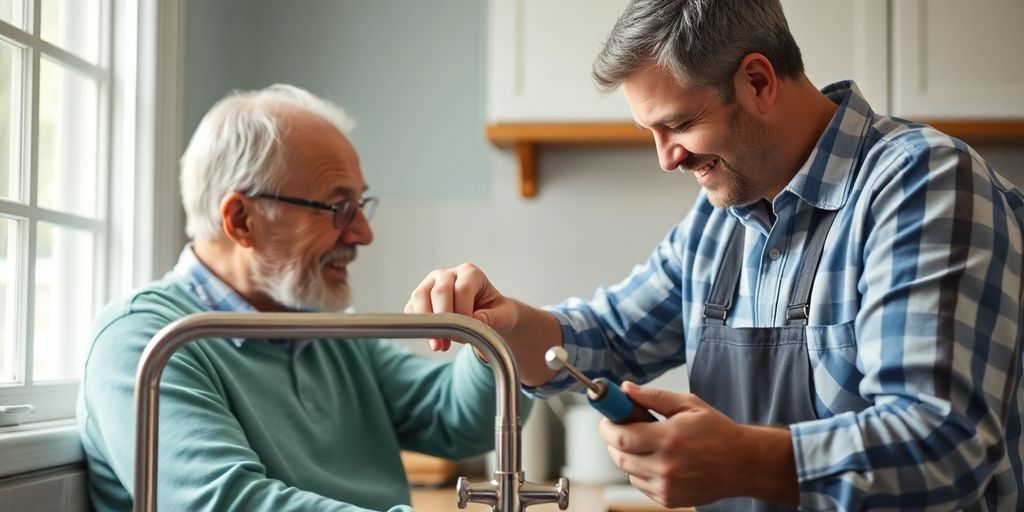
For seniors, maintaining a safe and accessible home is more than just comfort—it’s a necessity. As we age, our mobility might not be what it used to be, making it vital to have a living space that’s easy to navigate. Ensuring safety features like grab bars, ramps, and non-slip flooring can prevent falls and serious injuries. These modifications are not just about convenience; they’re about preserving independence and dignity.
Emotional and Physical Well-being
A well-maintained home can significantly impact a senior’s emotional and physical well-being. Imagine living in a space that feels neglected or unsafe—it’s stressful. Regular repairs and updates can make a home feel welcoming and secure, reducing anxiety. Plus, a cozy, well-kept home encourages social visits, which is great for emotional health. It’s amazing how something as simple as fixing a leaky roof or updating a bathroom can lift spirits.
Aging in Place Comfortably
The concept of "aging in place" is all about allowing seniors to live in their own homes comfortably and safely for as long as possible. This means adapting the home to meet changing needs without sacrificing comfort. Simple updates like widening doorways or installing stairlifts can make a huge difference. Personalized solutions are key here, ensuring that each home is suited to the individual’s needs. This not only supports physical health but also nurtures a sense of belonging and continuity.
Government Programs Offering Home Repair Assistance
When it comes to home repairs, seniors often need a little extra help to keep their homes safe and comfortable. Thankfully, there are several government programs out there to assist with just that. Understanding these programs can make a big difference in finding the right support.
HUD Home Improvement Loan Programs
The U.S. Department of Housing and Urban Development (HUD) provides various loan options to assist seniors with home repairs. One notable program is the HUD Title 1 Property Improvement Loan Program. This program offers financial aid to help cover the costs of necessary home repairs and modifications. The loan amount and repayment terms depend on the type of property owned. For those looking into affordable options for home repairs, this program could be a viable choice.
USDA Rural Development Initiatives
For seniors living in rural areas, the USDA Rural Development offers Single Family Housing Repair Loans and Grants. These are designed to help low-income homeowners, including seniors, address health and safety hazards in their homes. Eligible seniors can apply for loans up to $20,000 and grants up to $7,500, which can significantly improve living conditions.
State and Local Government Grants
Many state and local governments also provide grants and loans to assist seniors with home repairs. These programs vary by location, so it’s essential to check with local government websites for available resources. These grants can offer much-needed financial relief, allowing seniors to maintain their homes without the full financial burden.
Government programs can be a lifeline for seniors needing home repairs, ensuring they can continue to live safely and independently in their own homes.
Nonprofit Organizations Supporting Senior Home Repairs
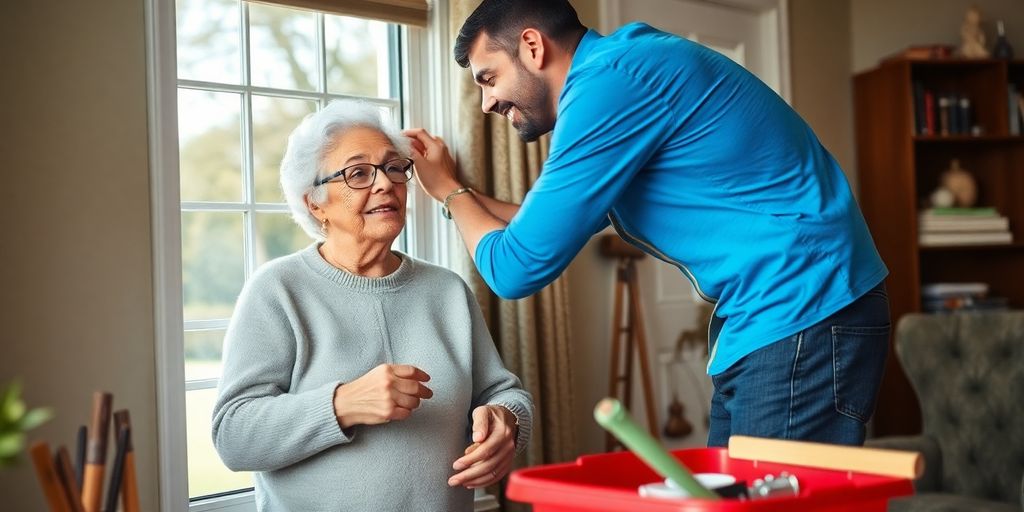
When it comes to keeping homes safe and sound for seniors, nonprofit organizations step up in a big way. These groups are all about making sure elderly folks can stay in their homes comfortably and safely without breaking the bank.
Rebuilding Together Initiatives
Rebuilding Together is like a superhero team for home repairs. They swoop in with volunteers to tackle everything from fixing leaky roofs to installing ramps for better accessibility. Their mission? Ensuring seniors live in homes that aren’t just houses, but safe havens. This national nonprofit has been around for over 40 years, focusing on low-income homeowners, especially seniors, to make sure their living spaces are both safe and accessible.
Volunteers of America Programs
Then there’s Volunteers of America, which has this super handy Minor Home Repair and Handyman Program. It’s like having a friend who can fix stuff without charging a dime. They handle plumbing issues, safety tweaks, and other essential home fixes. The goal is simple: help seniors live comfortably and independently by removing the hurdles of home maintenance.
Habitat for Humanity’s Contributions
Habitat for Humanity isn’t just about building new homes. They also have a fantastic Home Repair Program aimed at helping seniors with critical repairs like roof fixes, ramp installations, and heating system repairs. It’s all about making sure seniors can age in place with dignity and security. By focusing on these essential repairs, Habitat for Humanity ensures that seniors don’t have to worry about the physical demands of home upkeep, allowing them to focus on enjoying their golden years.
Living in a safe and comfortable home shouldn’t be a luxury. These nonprofits are making sure it’s a reality for seniors who need a little extra help. With the support of volunteers and community resources, they ensure that seniors don’t just live, but thrive in their own homes.
Community and Volunteer-Based Home Repair Services
Local Charity and Community Group Efforts
Local charities and community groups often step up to assist seniors with home repairs. These organizations are fueled by donations and volunteer efforts, aiming to make homes safer and more livable. They might tackle anything from fixing leaky roofs to replacing drafty windows. It’s about neighbors helping neighbors, ensuring everyone has a secure place to call home. These efforts not only improve living conditions but also reinforce a sense of community.
Volunteer Opportunities and Impact
Volunteering for home repair projects can be incredibly rewarding. You can join local initiatives or even national organizations that focus on helping seniors. Volunteers might find themselves painting a house, fixing a porch, or installing safety features like grab bars. This work doesn’t just improve homes—it lifts spirits and builds connections. Volunteers often say they gain as much from the experience as those they help.
Creating a Supportive Community Network
Building a network of support is crucial for ongoing home maintenance. Community networks can connect seniors with the right resources and volunteers. These networks often include local businesses, churches, and civic groups, all pooling their resources and skills. By working together, they ensure that seniors aren’t left to handle home repairs alone. It’s about creating a web of support that can catch anyone who might otherwise fall through the cracks.
In a world where it’s easy to feel isolated, these community efforts remind us that we’re all in this together. Lending a hand, sharing a skill, or just being there can make a world of difference.
Financial Assistance and Loan Options for Seniors
Understanding Reverse Mortgages
Reverse mortgages can be a lifeline for seniors needing funds for home repairs. This financial tool allows homeowners aged 62 and older to convert part of their home equity into cash. The best part? You don’t have to repay the loan until you move out or sell your home. It’s like having a safety net for unexpected expenses. Just remember, it’s crucial to understand the terms and conditions before diving in.
Home Renovation Tax Credits
Home renovation tax credits are another way seniors can ease the financial burden of home repairs. These credits can help offset the costs of making your home more accessible and safer. Depending on where you live, you might be eligible for a credit that covers a portion of your renovation costs. It’s a good idea to check with your local tax authority to see what’s available.
Low-Income Home Energy Assistance Program
The Low-Income Home Energy Assistance Program (LIHEAP) is designed to help seniors with energy-related expenses. Whether it’s weatherizing your home or making it more energy-efficient, LIHEAP can provide the necessary financial support. This program ensures that seniors don’t have to choose between comfort and affordability during harsh seasons.
It’s important for seniors to explore all available options to maintain a safe and comfortable living environment. Programs like reverse mortgages, tax credits, and energy assistance can make a significant difference.
Eligibility Criteria for Home Repair Assistance
Navigating the world of home repair assistance for seniors can be a bit overwhelming, but knowing the eligibility criteria can make the process smoother. Here’s a breakdown of what you need to know.
Age and Income Requirements
Most programs designed to help seniors with home repairs have specific age and income requirements. Typically, these programs cater to individuals aged 60 or older. Income limits are often based on federal poverty guidelines, meaning they consider household size and location to prioritize those with limited financial resources. For instance, to qualify for some homeowner programs, applicants must be at least 62 years old.
It’s crucial for seniors to check the specific age and income criteria of each program, as they can vary significantly.
Programs for Rural Residents
Rural residents often have access to specialized programs aimed at addressing their unique needs. The Section 504 Home Repair Program, for example, offers grants to elderly, very low-income homeowners in rural areas to enhance safety and eliminate health hazards. To qualify, a household usually needs to earn below 50% of the median income for its location. Similarly, the USDA Single Family Housing Repair Grants provide up to $10,000 for essential repairs like fixing leaky roofs or faulty wiring, specifically for seniors aged 62 and older.
Application Process and Tips
Applying for home repair assistance can be straightforward if you know what to expect. Here are a few tips:
- Gather Necessary Documents: Before applying, make sure you have all required documents ready, such as proof of income, age, and homeownership.
- Understand the Deadlines: Many programs have specific application periods. Mark these dates on your calendar to avoid missing out.
- Seek Help If Needed: Don’t hesitate to reach out to local agencies or organizations if you need help with the application process.
Remember, each program may have its own set of rules and requirements, so it’s important to read the fine print and prepare accordingly. This way, seniors can maximize their chances of receiving the help they need to maintain safe and comfortable homes.
Maximizing Resources for Home Repair Information
Utilizing Government Websites
When you’re on the hunt for solid info on home repair help, government websites are a good starting point. They often list programs and assistance available for seniors. You might find details on eligibility, application processes, and even direct contacts. Many seniors aren’t aware of the resources available through these sites. For example, the Department of Housing and Urban Development (HUD) offers a variety of programs that could be useful. They usually have links to state-specific resources too, so you can get help that’s close to home.
Connecting with Local Agencies on Aging
Local Agencies on Aging are like a hidden gem for seniors needing home repairs. These agencies are focused on helping the elderly stay safe and comfortable in their homes. They can connect you with programs that install grab bars, ramps, and other safety features. Plus, they often offer more than just repair resources. You might find support groups, social activities, and other services to help you or your loved one live independently.
Exploring Online Support Networks
The internet isn’t just for social media and shopping; it’s a great place to find support networks for home repairs too. Online forums and community groups can be a treasure trove of advice and recommendations. Sometimes, the best advice comes from people who’ve been in your shoes. You can ask questions, share experiences, and even find out about local volunteer groups that might be able to lend a hand. These networks can make a big difference when you’re trying to figure out how to tackle a tricky repair job or find someone qualified to do it for you.
It’s often said that the best help comes from those who’ve walked the path before you. Whether it’s a neighbor, a local agency, or an online friend, don’t hesitate to reach out and ask for guidance. You might be surprised at how willing people are to help, especially when it comes to keeping seniors safe and comfortable in their homes.
When it comes to fixing up your home, knowing how to use your resources wisely can make a big difference. Check out our website for helpful tips and guides that can help you tackle your home repair projects with confidence. Don’t wait—visit us today!
Wrapping It Up
So, there you have it. Keeping a home safe and comfy for seniors doesn’t have to be a solo mission. With a bunch of resources out there—from nonprofits like Rebuilding Together and Volunteers of America to local Area Agencies on Aging—help is just around the corner. These programs not only tackle the nitty-gritty of home repairs but also bring a sense of community and support. Whether it’s fixing a leaky roof or installing grab bars, these services make a world of difference. And let’s not forget about the emotional lift that comes from knowing you’re not alone in this. So, if you or someone you know needs a hand, don’t hesitate to reach out to these organizations. They’re ready to lend a helping hand, ensuring that seniors can live safely and comfortably in their own homes.
Frequently Asked Questions
Why is home repair important for seniors?
Home repair is crucial for seniors to ensure their living space is safe and accessible. Fixing things like loose railings or adding ramps can prevent accidents and help seniors live comfortably at home.
What government programs help with home repairs for seniors?
Programs like HUD’s Home Improvement Loans and USDA Rural Development Initiatives offer financial aid for seniors to make necessary home repairs.
Which nonprofit organizations assist seniors with home repairs?
Nonprofits such as Rebuilding Together and Habitat for Humanity provide home repair services to seniors, helping to keep their homes safe and livable.
How can community groups help seniors with home repairs?
Local charities and volunteer groups often organize efforts to assist seniors with home repairs, ensuring their homes are safe and comfortable.
What financial help is available for seniors needing home repairs?
Seniors can explore options like reverse mortgages, tax credits for renovations, and the Low-Income Home Energy Assistance Program for financial aid.
What are the eligibility requirements for home repair assistance?
Eligibility often depends on age, income, and sometimes location, like living in a rural area. Programs typically require applicants to be 60 years or older and meet certain income guidelines.