Property restoration services are more important than ever. With climate change, new tech, and other challenges, staying up-to-date is crucial. In this article, we’ll cover what you need to know about property restoration in 2025. From understanding the basics to exploring future trends, we’ve got you covered.
Key Takeaways
- Property restoration is adapting to more frequent natural disasters due to climate change.
- Technology, especially AI, is revolutionizing how restoration work is done.
- There’s a growing need for skilled workers in the restoration industry.
- Insurance processes are becoming more streamlined, but navigating them still requires skill.
- Sustainability is becoming a focus, with eco-friendly practices gaining traction.
Understanding the Scope of Property Restoration Services
Key Areas of Focus in Restoration
Property restoration is a vast field, addressing various types of damage and deterioration in buildings. Water damage, fire damage, and mold remediation are among the primary areas where restoration services are applied. These services are crucial for maintaining the structural integrity and safety of both residential and commercial properties. Restoration companies often tackle:
- Water Damage: This includes addressing leaks, floods, and burst pipes, which can lead to mold growth if not treated promptly.
- Fire Damage: Involves cleaning up soot, smoke, and repairing structural damage caused by fires.
- Mold Remediation: Essential for preventing health issues and further structural damage caused by mold growth.
Each of these areas requires specialized knowledge and equipment to handle effectively.
Differences Between Residential and Commercial Restoration
While both residential and commercial restoration share some similarities, there are distinct differences in their execution. Residential restoration often involves smaller-scale projects focusing on individual homes, which might include dealing with personal belongings and ensuring the safety of the household. In contrast, commercial restoration can be more complex, involving larger buildings, more extensive damage, and the need to minimize business downtime. Commercial projects might require:
- Coordination with business operations to limit disruptions.
- Adherence to specific industry regulations and standards.
- Handling of larger-scale equipment and resources.
The Role of Restoration in Disaster Recovery
Restoration services play a pivotal role in disaster recovery, helping communities bounce back after natural or man-made disasters. Whether it’s a hurricane, earthquake, or a fire, restoration professionals are among the first responders to help rebuild and repair damaged structures. Their work not only restores buildings but also aids in restoring normalcy and safety for the affected individuals and businesses.
In the aftermath of a disaster, the swift action of restoration teams can make a significant difference in recovery times and overall community resilience. Their expertise ensures that properties are not only repaired but also fortified against future incidents.
Understanding the scope of property restoration services helps in recognizing the importance of choosing the right professionals. Companies like Ruach Home Services emphasize the need for quality service and expertise, especially when dealing with complex restoration challenges.
The Impact of Climate Change on Property Restoration
Adapting to Increased Natural Disasters
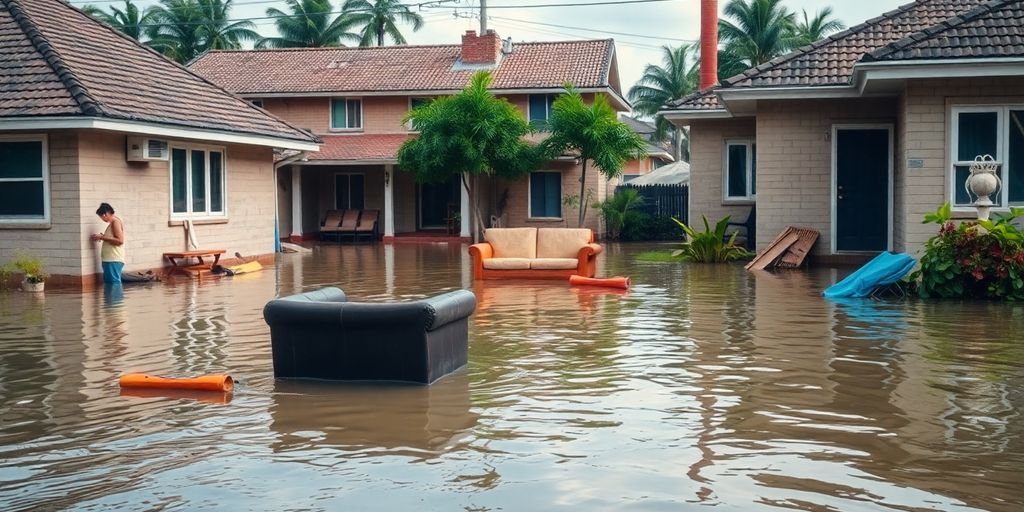
Climate change is causing more frequent and severe natural disasters, pushing the demand for property restoration services to new heights. Restoration companies must adapt quickly to these challenges, crafting strategies that are both effective and timely. Homeowners and businesses alike are seeking prompt solutions to deal with the aftermath of these unpredictable events. This shift is not just about responding to disasters but also about preparing for them. Restoration firms are now focusing on developing flexible processes that allow them to mobilize resources efficiently when disaster strikes.
Weather-Related Challenges in Restoration
The unpredictability of weather patterns adds another layer of complexity to restoration efforts. Heavy rains, hurricanes, and wildfires are becoming more common, each bringing unique challenges. Restoration teams need to be equipped with the right tools and knowledge to handle different types of damage. This includes understanding how various materials react to water or fire and knowing the best practices for cleanup and repair. As weather events become more extreme, restoration professionals must stay ahead by continually updating their skills and techniques.
Proactive Measures for Climate Resilience
Building resilience against climate change involves more than just reactive measures. Restoration companies are increasingly focusing on proactive steps to mitigate potential damage. This includes using sustainable materials and construction methods that can withstand harsh weather conditions. Additionally, educating property owners on maintaining their buildings can prevent minor issues from escalating into major problems. By adopting these proactive measures, the restoration industry not only addresses immediate concerns but also contributes to long-term environmental sustainability.
The rising frequency and severity of climate-related disasters are driving an increased demand for restoration services. Homeowners are seeking prompt and effective solutions to address the impacts of these unpredictable events. Learn more about the demand for restoration services.
Technological Advancements in Property Restoration Services
The Rise of AI in Restoration
In recent years, AI technology has made a significant impact on the property restoration industry. AI’s ability to streamline processes and enhance efficiency is game-changing. Imagine AI systems analyzing damage photos to expedite claims or predict potential issues before they arise. This not only speeds up the restoration process but also helps in reducing costs. AI can even assess customer emotions through their interactions, allowing restoration companies to tailor their responses more effectively.
Digital Tools for Efficient Restoration
Digital tools have become indispensable in modern restoration practices. From job management software to photo documentation apps, these tools simplify the workflow. They eliminate the need for tedious paperwork, ensuring that all data is stored securely and is easily accessible. With digital solutions, restoration firms can handle multiple projects simultaneously, improving overall productivity. Here’s a quick look at some benefits:
- Centralized data storage for easy access.
- Automated scheduling and resource allocation.
- Real-time updates and communication with team members.
Innovations in Damage Assessment
Gone are the days of manual damage assessments. New technologies, such as drones and 3D imaging, provide accurate and comprehensive damage reports. These innovations allow restoration professionals to assess damage from a safe distance, minimizing risk and ensuring thorough evaluations. With precise data at their fingertips, companies can plan restorations more effectively, reducing time and resources spent on each project.
As technology continues to evolve, restoration services are becoming faster and more efficient. Embracing these advancements not only benefits companies but also ensures quicker recovery for those affected by disasters.
Addressing Workforce Challenges in the Restoration Industry
Overcoming Labor Shortages
The restoration industry, like many others, is grappling with labor shortages. After the pandemic, many workers sought more meaningful and flexible work, leading to what’s been dubbed the "Great Resignation." Restoration companies are now competing fiercely to attract and retain talent. Increasing base pay for technicians has shown to extend their tenure, making it a strategy many firms are considering. Moreover, offering remote work options and leveraging digital tools can make roles more appealing by allowing more autonomy and flexibility.
Strategies to Prevent Employee Burnout
Burnout remains a persistent issue, fueled by labor shortages and the emotional toll of working with distressed clients. To combat this, companies need to reduce unnecessary burdens on their staff. Simplifying documentation processes with integrated software solutions can significantly lighten workloads. Imagine having a single platform for all job-related photos, notes, and agreements—it’s a real game-changer.
Managing burnout is not just about reducing workloads; it’s about fostering a supportive work environment where employees feel valued and understood.
Training and Development for Restoration Professionals
Investing in training and development is essential for keeping the workforce skilled and motivated. Restoration companies should focus on creating robust training programs that not only enhance technical skills but also promote leadership and personal growth. Regular workshops and seminars can help employees stay updated with the latest industry trends and technologies. By prioritizing development, firms can not only improve job satisfaction but also boost employee retention.
In 2025, navigating these workforce challenges will be crucial for the industry’s growth. Key trends in the restoration industry indicate that addressing these issues head-on is vital for success.
Navigating Insurance and Claims in Property Restoration
Understanding Insurance Policies
Dealing with insurance policies can be a headache, especially when you’re already stressed about property damage. Knowing the ins and outs of your policy is key. It’s like having a map when you’re lost. Policies can be full of jargon, so it’s smart to sit down with your agent and ask questions. Make sure you know what’s covered and what’s not. This way, you won’t be blindsided by unexpected expenses.
Efficient Claims Management
Filing a claim can be a long process, but it doesn’t have to be a nightmare. Here are some steps to make it smoother:
- Document everything: Take photos, keep receipts, and jot down details.
- Contact your insurer ASAP: The sooner you start, the quicker you can get things moving.
- Follow up regularly: Keep in touch with your insurer to stay updated on your claim’s progress.
Being organized and proactive can save you a lot of hassle.
Building Relationships with Insurance Carriers
Working with insurance carriers is like a dance; you need to be in sync. Restoration companies can expedite insurance claims by educating clients on their coverage, thoroughly documenting damages, and understanding insurance terminology. Good communication is essential. It helps to build trust and ensures both parties are on the same page. Regular meetings and updates can strengthen these relationships, making future claims easier to handle.
"Navigating the insurance landscape can be tricky, but with the right approach, you can turn it into a partnership that benefits everyone involved."
Sustainability Practices in Property Restoration
Sustainability in property restoration isn’t just a trend; it’s becoming a necessity. As we face increasing environmental challenges, restoration services are evolving to incorporate eco-friendly practices that not only help the planet but also improve efficiency and cost-effectiveness.
Eco-Friendly Restoration Techniques
One of the most significant shifts in restoration is the adoption of eco-friendly techniques. These methods reduce waste and minimize environmental impact. For instance, using biodegradable cleaning agents and recycling materials during the restoration process can significantly lower the carbon footprint. Implementing green practices not only protects the environment but also enhances the overall quality of restoration work.
Sustainable Materials and Resources
Choosing sustainable materials is vital in property restoration. From reclaimed wood to recycled metal, using materials that have been repurposed or sustainably sourced can make a big difference. Here’s a quick look at some sustainable materials commonly used:
- Reclaimed Wood: Offers a rustic look and reduces the need for new lumber.
- Recycled Metal: Durable and requires less energy to produce than new metal.
- Bamboo: A rapidly renewable resource that’s both strong and flexible.
Long-Term Environmental Impact
Sustainability in restoration isn’t just about immediate effects; it’s about long-term impact. Restoration companies are now focusing on the lifecycle of materials and processes to ensure they support environmental health over time. This means considering factors like energy efficiency, durability, and the potential for future recycling or reuse.
The shift towards sustainable practices in property restoration is not just about compliance or trends. It’s about creating a balance between restoring properties and preserving the planet for future generations.
Emphasizing sustainability is not only beneficial for the environment but also for the bottom line. As more clients demand eco-friendly options, companies that prioritize sustainability will likely see increased business and customer loyalty. For instance, Ruach Home Services offers comprehensive storm damage repair services, ensuring properties are restored to their pre-storm condition while minimizing environmental impact.
Future Trends in Property Restoration Services
Emerging Technologies and Tools
In 2025, the property restoration industry is seeing a surge in the use of cutting-edge technologies. Artificial Intelligence (AI) is playing a pivotal role, helping companies streamline processes like claims management and damage assessment. AI can quickly analyze photos of damaged properties to estimate repair costs, reducing the time and human error involved in manual assessments. Additionally, AI’s ability to interpret customer interactions and provide sentiment analysis is improving client relations.
Another trend is the growing adoption of digital tools that enhance efficiency. Restoration firms are increasingly turning to job management software that automates routine tasks, allowing employees to focus on more critical aspects of restoration work. These tools not only boost productivity but also help in managing labor shortages by making the existing workforce more effective.
Shifts in Consumer Expectations
Consumers today expect faster, more transparent services. They want real-time updates on restoration progress and clear communication throughout the process. This shift is pushing restoration companies to adopt digital communication platforms that keep clients informed and engaged.
Moreover, there’s a rising demand for eco-friendly restoration practices. Customers are increasingly aware of the environmental impact of restoration work and prefer companies that use sustainable materials and techniques. This trend is encouraging firms to innovate and offer greener solutions.
The Evolving Role of Restoration Companies
Restoration companies are no longer just about fixing damage; they are becoming partners in disaster preparedness and resilience. As climate change leads to more frequent and severe weather events, these companies are offering services that help properties withstand future disasters.
Firms are also expanding their roles by providing comprehensive assessments and advising on proactive measures to minimize potential damage. This shift is transforming restoration companies into essential players in the broader context of property management and sustainability.
The restoration industry is rapidly evolving, driven by technological advancements and changing consumer demands. As companies adapt to these trends, they are not only improving their services but also contributing to a more resilient and sustainable future.
Incorporating these trends, expert home remodeling and damage restoration services are now more crucial than ever, ensuring properties are restored to their original conditions while meeting modern expectations.
As we look ahead, property restoration services are evolving to meet new challenges. With advancements in technology and a focus on sustainability, these services are becoming more efficient and effective. Homeowners can expect faster response times and better solutions for damage repair. If you’re curious about how these trends can benefit you, visit our website for more information and to schedule a consultation!
Wrapping It Up: Your Guide to Property Restoration in 2025
So, there you have it. In 2025, property restoration is more than just fixing up buildings; it’s about adapting to new challenges and embracing fresh opportunities. Whether it’s dealing with unpredictable weather, tackling labor shortages, or jumping on the latest tech trends, the industry is evolving fast. Restoration services are becoming more crucial as natural disasters increase and homes age. The key takeaway? Stay flexible, keep learning, and don’t shy away from using technology to make your work easier and more efficient. As we move forward, those who can adapt and innovate will lead the way in this ever-changing field. So, gear up and get ready to tackle whatever comes next!
Frequently Asked Questions
What is property restoration?
Property restoration is the process of fixing and repairing buildings that have been damaged by things like water, fire, storms, or other disasters. It helps make homes and buildings safe and livable again.
Why is property restoration important?
Property restoration is important because it helps people get back to their normal lives after a disaster. It also protects the value of homes and buildings by fixing damage quickly and correctly.
How does climate change affect property restoration?
Climate change leads to more frequent and severe weather events, like hurricanes and floods. This means more buildings need restoration services to repair damage caused by these events.
What new technologies are used in property restoration?
New technologies in property restoration include advanced software for managing jobs, AI for assessing damage, and digital tools for faster and more accurate repairs.
How can property restoration companies deal with worker shortages?
To deal with worker shortages, companies can use technology to make work easier and faster, offer better training, and create a positive work environment to keep workers happy and motivated.
What role does insurance play in property restoration?
Insurance helps cover the costs of property restoration. Companies work with insurance carriers to manage claims and ensure that repairs are done according to policy terms.