Water leaks can cause serious problems in homes and buildings. If not addressed quickly, they can lead to extensive damage and costly repairs. This guide provides essential steps for effective water leak restoration, helping you understand the process, identify leaks, and take action to restore your property. Whether you’re dealing with a small leak or a major flood, knowing what to do can save you time and money.
Key Takeaways
- Water leak restoration involves returning a property to its original state after water damage.
- Identifying the source of leaks quickly is crucial for preventing further damage.
- Immediate actions include stopping the water source and contacting professionals.
- The restoration process includes water extraction, drying, and cleaning affected areas.
- Regular maintenance can help prevent future leaks and water damage.
Understanding Water Leak Restoration
What is Water Leak Restoration?
Water leak restoration is the process of fixing damage caused by water leaks in homes or buildings. This process is crucial to return the property to its original state. It involves several steps, including water removal, drying, and repairs.
Importance of Timely Restoration
Acting quickly after a water leak is essential. Delaying restoration can lead to:
- Increased damage to property
- Higher repair costs
- Growth of mold and bacteria
Common Misconceptions
Many people think that water leak restoration is just about drying surfaces. However, it is much more complex. Here are some common misconceptions:
- It’s only about drying: Restoration includes cleaning and repairing.
- I can do it myself: Professional help is often needed to ensure safety and effectiveness.
- It’s not urgent: Delays can worsen the damage significantly.
Remember, the sooner you act, the better the outcome for your home.
In summary, understanding water leak restoration is vital for homeowners. It helps in preventing further damage and ensures a safe living environment. For effective restoration, consider reaching out to professionals like Ruach Home Services, who prioritize customer satisfaction and offer reliable solutions for water damage restoration in Arlington, Virginia.
Identifying the Source of Water Leaks
Major Causes of Water Leaks
Water leaks can happen for many reasons. Here are some common causes:
- Old plumbing: Pipes can wear out over time.
- Appliance failures: Washing machines and dishwashers can leak.
- Weather damage: Heavy rain or storms can cause leaks in roofs or foundations.
Signs of Water Damage
It’s important to spot water damage early. Look for these signs:
- Water stains on walls or ceilings.
- Mold growth in damp areas.
- Swelling or warping of materials like wood or drywall.
Tools for Leak Detection
To find leaks, you can use various tools:
- Moisture meters: Measure moisture levels in materials.
- Thermal imaging cameras: Detect temperature differences that indicate leaks.
- Water leak monitors: Alert you to leaks in real-time.
Detecting leaks early can save you from costly repairs and damage. Timely action is crucial!
By understanding the causes, signs, and tools for leak detection, you can better protect your home from water damage. Remember, if you notice any signs of leaks, it’s best to act quickly to prevent further issues. For reliable water damage restoration services, consider reaching out to professionals like Ruach Home Services in Laurel, Maryland, who emphasize customer satisfaction and quality restoration.
Immediate Actions to Take After a Water Leak
Stopping the Water Source
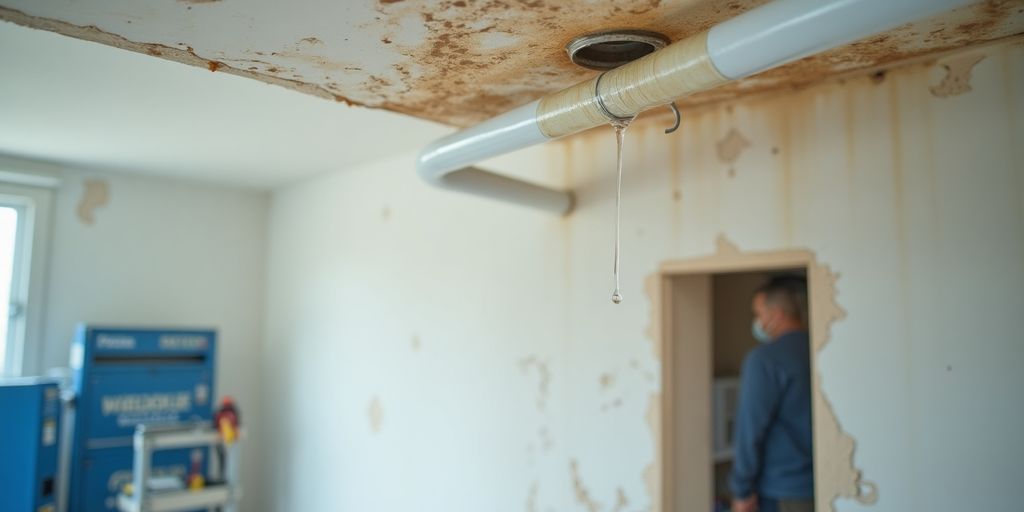
The first thing you should do is stop the water flow. If you can see where the leak is coming from, like a burst pipe or an overflowing appliance, turn off the water supply immediately. This is crucial because the faster you can stop the flow, the better it is for your home.
Contacting Professionals
Next, it’s important to call in the experts. Reach out to a water damage restoration company right away. They have the tools and knowledge to handle the situation effectively. Here are some reasons to contact professionals:
- They can prevent further damage to your home.
- They will use specialized equipment for water extraction.
- They can help you with insurance claims.
Documenting the Damage
Finally, make sure to document the damage. Take photos or videos of the affected areas. This will be helpful for your insurance claim and for the restoration process. Keep a record of any damaged items as well.
Remember, acting quickly can save you a lot of trouble and money in the long run.
By following these steps, you can minimize the impact of water damage and start the restoration process effectively.
The Water Leak Restoration Process
Water Extraction Techniques
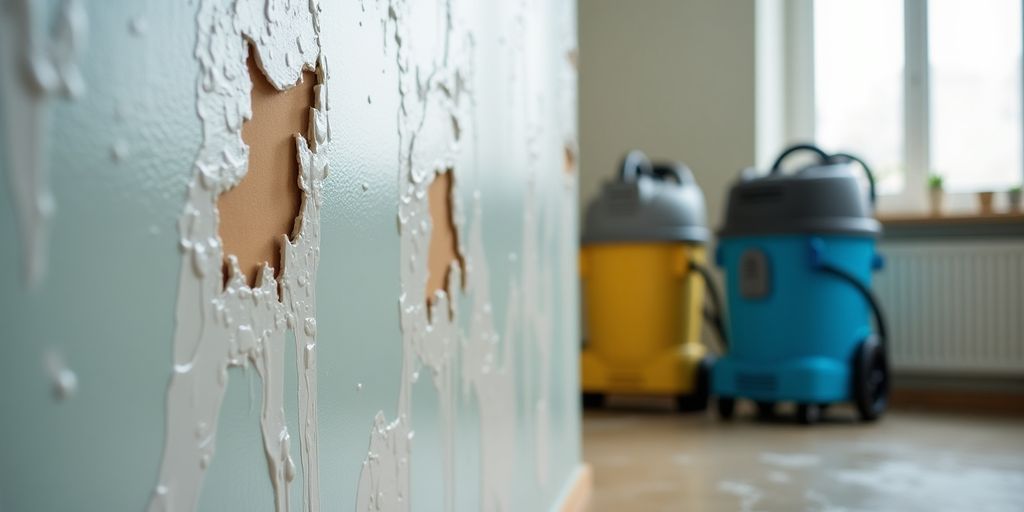
When a water leak occurs, the first step is to remove the excess water. This is crucial to prevent further damage and mold growth. Here are some common techniques used for water extraction:
- Portable extractors: These are used to remove water from carpets and upholstery.
- Submersible pumps: Ideal for removing standing water in basements or flooded areas.
- Wet/dry vacuums: Useful for smaller amounts of water and debris.
Drying and Dehumidification
After extraction, the next step is to dry out the affected areas. This process can take time, especially if the damage is extensive. Here’s how it’s typically done:
- Air movers: High-powered fans are used to circulate air and speed up drying.
- Dehumidifiers: These machines help remove moisture from the air, preventing mold growth.
- Natural ventilation: Opening windows and doors can also aid in drying.
Cleaning and Sanitization
Once everything is dry, it’s important to clean and sanitize the affected areas to eliminate any remaining contaminants. This includes:
- Using antimicrobial solutions on surfaces to prevent mold.
- Wearing protective gear like gloves and masks during the cleaning process.
- Ensuring that all materials that cannot be salvaged are properly disposed of.
The restoration procedure includes assessment, water extraction, drying, cleaning, and repairs to restore the property. Regular maintenance and early detection can help prevent future issues.
Preventing Future Water Leaks
Regular Maintenance Tips
To keep your home safe from water leaks, consider these maintenance tips:
- Inspect plumbing regularly for signs of wear or leaks.
- Clean gutters and downspouts to ensure proper drainage.
- Check appliances like washing machines and dishwashers for any signs of wear.
Upgrading Home Systems
Investing in better systems can help prevent leaks:
- Install high-quality pipes that resist corrosion.
- Upgrade to energy-efficient appliances that have better seals.
- Consider a smart water leak detection system that alerts you to leaks immediately.
Monitoring and Early Detection
Being proactive can save you from major issues:
- Use water leak monitors in key areas of your home.
- Regularly check for damp spots or unusual water stains.
- Schedule annual inspections with a professional to catch potential problems early.
Taking these steps can significantly reduce the risk of water leaks in your home. By being proactive, you can protect your property and save money on repairs.
Remember, efficient home maintenance is key to preventing water damage. Regular checks and upgrades can help you avoid costly repairs in the future.
Choosing the Right Water Leak Restoration Company
When dealing with water damage, selecting the right restoration partner is crucial. A good restoration company can make a significant difference in how quickly and effectively your property is restored. Here are some key points to consider:
What to Look for in a Restoration Company
- Licensing and Insurance: Ensure the company is licensed and insured to protect yourself from liability.
- Experience: Look for a company with a proven track record in handling water damage restoration.
- Customer Reviews: Check online reviews and testimonials to gauge customer satisfaction.
Questions to Ask Potential Contractors
- What is your response time for emergencies?
- Do you provide a detailed estimate before starting work?
- How do you handle insurance claims?
Understanding Insurance Claims
- Documentation: Make sure the restoration company helps document the damage for your insurance claim.
- Coverage: Understand what your insurance covers regarding water damage restoration.
- Communication: Choose a company that communicates effectively with your insurance provider.
Remember, timely action can prevent further damage and save you money in the long run. By choosing the right restoration company, you can ensure a smoother recovery process and protect your home from future leaks.
When it comes to fixing water leaks, choosing the right restoration company is key. At Ruach Home Services, we are dedicated to providing top-notch service and support. Don’t wait for the problem to get worse—visit our website today to learn more about how we can help you!
Final Thoughts on Water Leak Restoration
In conclusion, dealing with water leaks can be a tough challenge, but following the right steps can make a big difference. It’s important to act quickly to stop the leak and remove any standing water. Always remember to call in professionals who know how to handle the situation safely and effectively. They have the tools and skills to restore your home to its original state and prevent future problems like mold. By being proactive and taking care of water damage right away, you can protect your home and keep it safe for you and your family.
Frequently Asked Questions
What should I do first if I find a water leak in my home?
The first thing you need to do is stop the water source. If it’s safe, turn off the main water supply. Then, contact a professional to help with the cleanup.
How long does the water damage restoration process take?
The time it takes to restore water damage can vary. Minor issues might take a few days, while major problems could take weeks or even months.
Can I clean up water damage myself?
For small leaks, you might be able to handle it yourself, but for larger issues, it’s best to hire professionals who have the right tools and experience.
What are the signs of water damage I should look for?
Look for signs like peeling paint, damp spots on walls, a musty smell, or warped floors. If you see any of these, you might have water damage.
Will my insurance cover water damage restoration?
It depends on your insurance policy. Many policies cover water damage, but it’s important to check with your insurance agent to understand your coverage.
How can I prevent future water leaks in my home?
Regular maintenance is key. Check your pipes, roof, and appliances for wear and tear, and consider upgrading old systems to prevent leaks.