Finding the right contractor for your home repair project can feel a bit overwhelming. You want someone reliable, skilled, and easy to work with. But with so many options out there, how do you know who to trust? This guide will walk you through the steps to make sure you hire the best person for the job. From checking licenses to comparing estimates, we’ve got you covered.
Key Takeaways
- Always verify the contractor’s licenses and insurance to protect yourself and your property.
- Ask for recommendations from friends and family, but also check online reviews for additional insights.
- Get multiple detailed quotes to compare costs and avoid suspiciously low bids.
- Review the contractor’s past work and speak with previous clients to gauge their reliability.
- Trust your instincts during initial meetings; feeling comfortable with the contractor is crucial.
Researching and Shortlisting Contractors
How to Find Reliable Contractor Recommendations
Finding a trustworthy contractor starts with tapping into the right resources. Word-of-mouth referrals from friends, family, or neighbors who’ve had similar work done can be invaluable. They’ll give you honest feedback based on firsthand experience. Beyond that, check out professional associations like the National Association of Home Builders or the National Association of the Remodeling Industry. These groups often maintain directories of qualified professionals. Don’t forget to visit local hardware stores or lumberyards—employees there often know which contractors are reliable and pay their bills on time.
Evaluating Online Reviews and Testimonials
Online reviews can be a goldmine of information if you know where to look. Start by searching for contractors in your area and reading reviews on trusted platforms. Look for consistent patterns in feedback—both positive and negative. For example, if multiple people mention delays or sloppy work, it’s a red flag. On the other hand, glowing reviews about punctuality and quality are reassuring. Be cautious of overly generic or overly enthusiastic testimonials; they might not be authentic. When possible, reach out to reviewers for more details about their experiences.
Checking Credentials and Licenses
Before adding anyone to your shortlist, confirm they have the proper credentials. Most states require contractors to hold a valid license for home repair projects. Ask for their license number and verify it through your state’s licensing board. Additionally, confirm they carry liability insurance and workers’ compensation coverage. This protects you from being held responsible if someone gets injured on your property. Lastly, ask about any certifications or training they’ve completed—this can indicate their commitment to staying current in their field.
Taking the time to thoroughly research contractors upfront can save you from headaches and costly mistakes down the road.
Understanding Contractor Insurance and Legal Requirements
Importance of Liability and Workers’ Compensation Insurance
When hiring a contractor, insurance is your safety net. Liability insurance protects your property if something goes wrong during the project, like accidental damage caused by the contractor. On the other hand, workers’ compensation insurance ensures you’re not stuck with medical bills if someone gets hurt on your property while working. Without these, you could be financially responsible for accidents or damage. Contractors with smaller teams—five or fewer employees—should still carry at least $1 million in general liability coverage per occurrence, with a total aggregate of $2 million.
Verifying Insurance Certificates
Don’t just take a contractor’s word for it—ask for their insurance certificates. Here’s what to do:
- Request a copy of their liability and workers’ compensation certificates.
- Call the insurance provider listed to confirm the policy is active and covers the type of work being done.
- Consider adding the contractor as an "additional insured" on your homeowner’s policy for extra protection during the project.
A little due diligence here can save you from big headaches later.
Understanding Local Licensing Laws
Licensing laws vary depending on where you live, but they’re not just red tape—they’re there to protect you. A licensed contractor has met specific requirements, like passing exams or proving experience. Here’s what to check:
- Ask to see their license and verify it with your local licensing board.
- Ensure the license covers the type of work you’re hiring them for.
- Be cautious if they ask you to pull permits yourself—it’s often a sign they’re unlicensed or trying to cut corners.
Hiring a contractor who follows legal and insurance requirements isn’t just about compliance. It’s about protecting your home, your wallet, and your peace of mind.
Comparing Estimates and Project Proposals
Requesting Detailed Quotes from Multiple Contractors
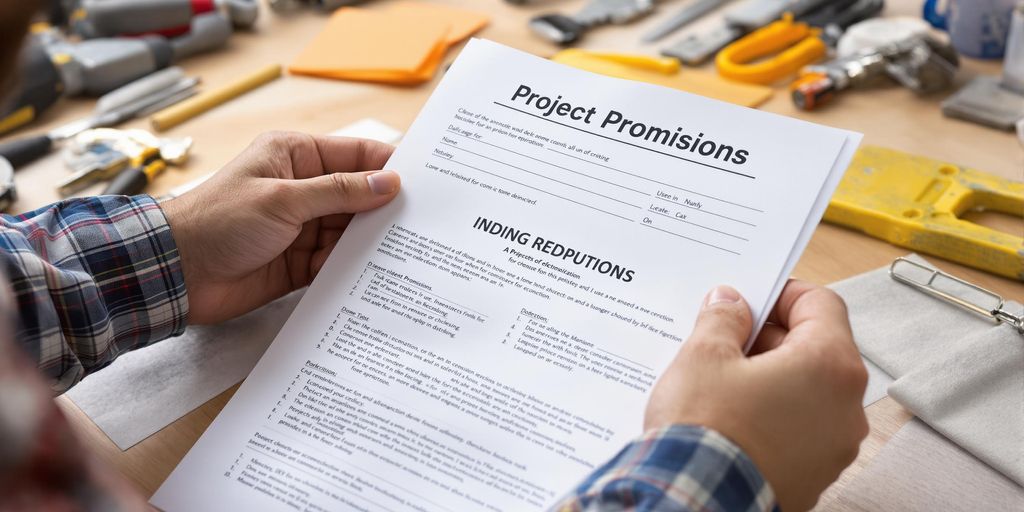
When you’re looking at estimates, don’t just settle for one or two. Get quotes from at least three contractors to see how they stack up. Each quote should break down costs for labor, materials, and any additional fees. If a contractor is vague about these details, that’s a red flag. Make sure to ask if there are potential hidden costs, like unexpected material upgrades or unforeseen labor needs. The clearer the quote, the easier it’ll be to compare apples to apples.
Identifying Red Flags in Low Bids
A bid that’s way lower than the others might seem like a jackpot, but it’s often too good to be true. Maybe the contractor is cutting corners on materials, or they’re desperate for work and underestimating the project. Either way, it’s risky. Keep in mind that quality work comes at a fair price. If a bid seems suspiciously low, ask the contractor to explain how they arrived at that number. You’re better off investing in someone who’s transparent and realistic.
Assessing Project Timelines and Deliverables
Time is money, right? So, you’ll want to review each contractor’s proposed timeline carefully. Are they promising to finish the job in half the time of everyone else? That could mean they’re rushing or skipping steps. Ask about factors that might cause delays—like weather, material availability, or scheduling conflicts. A good contractor will not only give you a realistic timeline but also include a plan for handling unexpected hiccups. Look for deliverables to be clearly outlined, so you know exactly what to expect at each stage of the project.
A detailed estimate isn’t just about numbers—it’s about trust. When a contractor lays everything out clearly, it shows they respect your time and your budget.
Evaluating Contractor Experience and Expertise
Reviewing Portfolios of Past Projects
Looking at a contractor’s portfolio is like getting a sneak peek into their abilities. Ask to see photos or, better yet, visit completed projects if possible. A good portfolio should show a variety of work, especially projects similar to what you need. If their past work doesn’t align with your vision, they might not be the right fit.
Asking for References and Visiting Completed Jobs
Don’t just take their word for it—talk to people they’ve worked with. Ask references about the contractor’s reliability, communication, and how well they stuck to the timeline. Questions like, "Did they clean up after the job?" or "Were there unexpected costs?" can reveal a lot. If you can, visit some of their finished projects to see the quality firsthand.
Ensuring Experience in Similar Home Repair Projects
Not all contractors are a jack-of-all-trades. If you’re fixing a roof, a kitchen remodeler isn’t your best bet. Make sure they’ve handled projects like yours before. Ask how many similar jobs they’ve done and how they tackled challenges. This helps you gauge if they’re prepared for your specific needs.
A contractor with the right experience can save you time, money, and a lot of headaches. Make sure they’re the right match before moving forward.
Establishing Clear Communication and Expectations
Setting Up Regular Progress Updates
Keeping the lines of communication open is a must when working with a contractor. One way to do this is by scheduling regular updates. These can be weekly meetings, phone calls, or even emails—whatever works best for both parties. Consistency in communication ensures you’re always on the same page. During these updates, review the progress, discuss any delays, and address concerns. It’s also a good idea to establish a protocol for emergencies or significant changes to avoid last-minute surprises.
Discussing Payment Schedules and Milestones
When it comes to payments, clarity is everything. Break down the project into phases, and tie payments to milestones. For example:
| Milestone | Payment Percentage |
|---|---|
| Contract signing | 10% |
| Halfway through project | 40% |
| Completion of work | 50% |
This approach not only helps you manage your budget but also keeps the contractor motivated to stick to timelines. Avoid paying too much upfront; a smaller initial payment protects you if things go sideways.
Ensuring Transparency in Contracts and Agreements
A clear contract is your safety net. It should outline everything: project scope, timelines, materials, costs, and even how disputes will be handled. Make sure it includes a process for approving changes and documenting them. Flexibility is important, but so is having everything in writing. If something feels vague, ask for clarification before signing. Remember, a well-drafted contract protects both you and the contractor.
Trusting Your Instincts and Building Rapport
Assessing Comfort Level During Initial Meetings
When you first meet with a contractor, trust your gut. How you feel during that initial interaction matters. Are they listening to your ideas? Do they explain things clearly? If they seem rushed or dismissive, that’s a red flag. On the other hand, if the conversation feels natural and you’re comfortable asking questions, that’s a good sign. Remember, this person will be in your home for weeks—or even months—so mutual comfort is key.
Recognizing Warning Signs of Poor Communication
A contractor who struggles with communication can make any project a nightmare. Here are a few warning signs to watch for:
- They avoid answering direct questions.
- Responses to emails or calls take too long.
- They seem disorganized or forgetful about details you’ve already discussed.
Good communication isn’t just about being polite—it’s about ensuring your project runs smoothly. If you’re already frustrated before the work even starts, it’s probably not going to get better.
Choosing a Contractor You Feel Confident About
At the end of the day, you need to pick someone you feel good about. Confidence in their skills is vital, but so is the sense that they genuinely care about your project. Ask yourself:
- Do they seem invested in understanding your vision?
- Do they provide clear, honest answers?
- Did they explain their process and timeline in a way you understood?
A solid working relationship is built on trust and mutual respect. If you feel uneasy or pressured, it’s okay to walk away and explore other options.
For example, Ruach Home Services emphasizes quality and customer satisfaction, making them a great choice for homeowners seeking reliable contractors. Their focus on professionalism and attention to detail ensures a smoother experience for any project.
Trusting your gut feelings can lead to better decisions, especially when working with others. Building a good relationship with people around you is key. It helps create a friendly atmosphere where everyone feels comfortable. If you want to learn more about how to improve your home and build trust with your contractors, visit our website for helpful tips and services!
Wrapping It Up
Picking the right contractor for your home repair project doesn’t have to be overwhelming. Take your time, do your research, and trust your instincts. A good contractor will not only get the job done but will also make the entire process smoother and less stressful. Remember, this is your home—don’t settle for anything less than someone you feel confident working with. With the right person on board, your project can go from a daunting task to a rewarding experience.
Frequently Asked Questions
How can I find a trustworthy contractor for my home repairs?
Start by asking friends, family, or neighbors for recommendations. Online reviews and local community groups can also provide helpful insights. Make sure to check their credentials and past work.
Why is contractor insurance important?
Insurance protects you in case of accidents or damage during the project. Look for contractors with liability insurance and workers’ compensation to ensure you’re not held responsible for any mishaps.
What should I include in a contractor agreement?
A good contract should outline the scope of work, payment schedule, timeline, materials to be used, and any warranties. It should also specify how changes or disputes will be handled.
How many estimates should I get before hiring a contractor?
It’s a good idea to get at least three detailed quotes. This helps you compare costs, timelines, and the scope of work. Avoid choosing solely based on the lowest bid.
What are the red flags to watch for when hiring a contractor?
Be cautious of contractors who ask for large upfront payments, lack proper licensing, or avoid providing references. Poor communication and vague estimates are also warning signs.
How can I verify a contractor’s experience?
Ask to see their portfolio of past projects and request references. If possible, visit completed job sites to assess the quality of their work and speak with previous clients.