Dealing with damage to your house after a disaster can be overwhelming. Whether it’s from a storm, fire, or flood, knowing what steps to take can make a big difference. This article will guide you through understanding different types of house damage and offer practical steps for effective repairs. Let’s dive into the essentials of house damage repair, so you can get back on your feet and restore your home.
Key Takeaways
- Identify the type of damage—structural, water, or fire—to plan repairs effectively.
- Ensure the safety of your family and secure your property before starting repairs.
- Document all damages thoroughly for insurance claims to ease the process.
- Choose reliable contractors and consider professional restoration services for effective repairs.
- Plan financially for repairs, exploring insurance options and potential government assistance.
Understanding the Types of House Damage After a Disaster
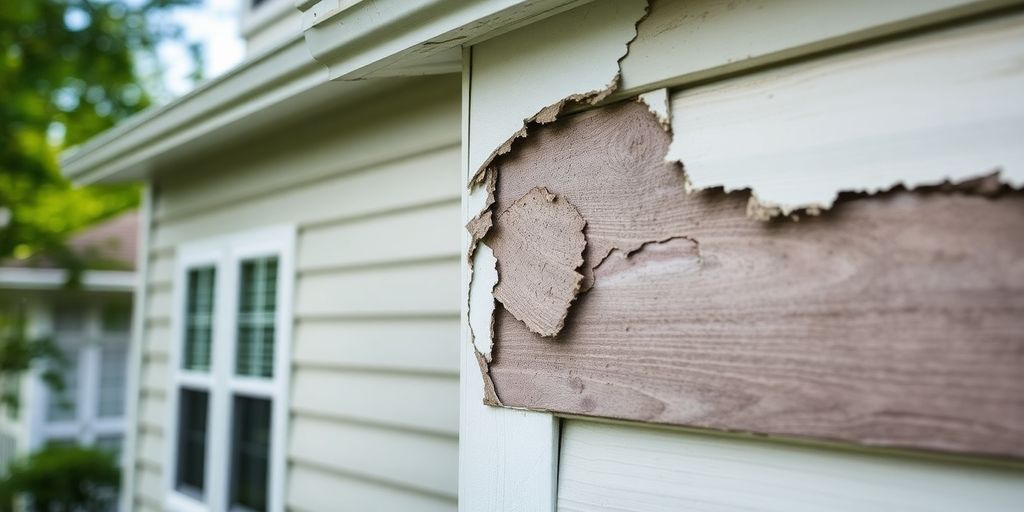
Disasters can turn our homes upside down, leaving behind a trail of destruction. Knowing the types of damage your house might face can help you manage repairs effectively and get back on your feet.
Structural Damage and Its Implications
When disaster strikes, the structural integrity of your home might be compromised. Think about your walls, roof, and foundation—they could crack or even collapse. This kind of damage is often seen in homes hit by earthquakes or strong winds. It’s crucial to address structural issues first because they impact the safety and stability of your home.
- Cracks in walls and ceilings
- Sagging or shifting foundation
- Broken support beams
Water Damage: Causes and Consequences
Water damage is a sneaky one. It can come from floods, busted pipes, or even a leaky roof. When water seeps in, it can rot wood, ruin drywall, and lead to mold growth. Mold is not just a nuisance; it poses health risks too.
- Check for damp spots or discoloration
- Look out for a musty smell
- Inspect for mold or mildew growth
Fire and Smoke Damage: What to Look For
Fires are devastating, and even after the flames are out, the damage lingers. Fire can weaken the structure of your home, and smoke can seep into walls and fabrics, leaving a lasting odor and potential health hazards.
- Examine walls and ceilings for charring
- Assess the extent of smoke infiltration
- Consider air quality testing for lingering smoke particles
After a disaster, homes are evaluated and classified into three categories: "destroyed," "major damage," or "minor damage." This assessment helps in understanding the extent of damage and planning for recovery efforts.
Immediate Steps to Take for House Damage Repair
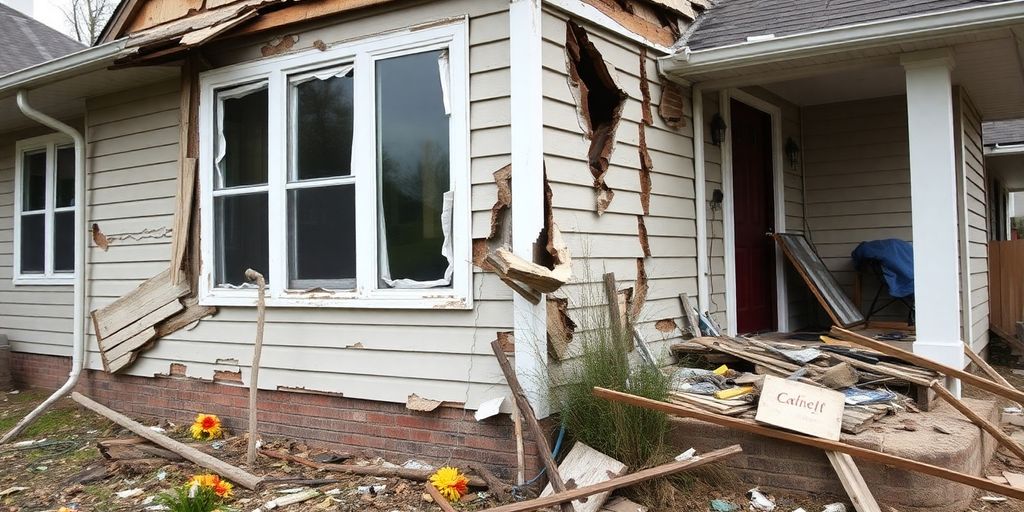
Ensuring Family Safety and Securing the Property
When disaster strikes, the first priority is always safety. Make sure everyone in your household is safe and accounted for. If your home is no longer safe to stay in, find temporary shelter. Once everyone is secure, it’s time to protect your property from further damage. This might mean boarding up broken windows, placing tarps over damaged roofs, or even propping up unstable structures. These actions not only prevent additional harm but also help in preserving the integrity of your home until repairs can begin.
Documenting Damage for Insurance Claims
Before you start cleaning up, grab your phone or a camera and document everything. Take clear photos and videos of all the damage. This might seem like a hassle, but having detailed records is crucial when filing insurance claims. Make notes of any structural or personal property damage, and keep a log of any expenses related to temporary repairs or accommodations. Being thorough here can make a big difference in your claim.
Contacting Emergency Services and Professionals
In the aftermath of a disaster, reach out to emergency services if there’s a risk to anyone’s health or safety. This could include fire departments, paramedics, or even utility companies if there are downed power lines or gas leaks. After ensuring immediate threats are managed, get in touch with professionals who specialize in disaster recovery. They can assess the damage, help with cleanup, and start the repair process. Professionals can also assist in navigating insurance claims, ensuring you get the support you need to start rebuilding.
Navigating the Insurance Claims Process
Understanding Your Insurance Policy
First things first, you gotta know what’s in your insurance policy. Read it carefully to understand what is covered and what isn’t. This might seem obvious, but it’s amazing how many folks skip this step and then get surprised by exclusions. Check for any specific clauses related to disasters like floods or fires. Sometimes these events require additional coverage, so it’s crucial to be aware.
Filing Claims and Necessary Documentation
Once you know your policy inside out, it’s time to file a claim. Start by documenting everything. Take photos of all the damage—every nook and cranny. Make a list of damaged items and gather any receipts or proof of ownership you might have. This documentation will support your claim and speed up the process. When you’re ready, contact your insurance company to start the claim. Be prepared to provide all the details you’ve collected.
Working with Insurance Adjusters
After filing your claim, an insurance adjuster will likely visit your home to assess the damage. Be ready for this visit. Walk them through the damage and provide your documentation. It’s a good idea to have a friend or family member with you to ensure everything is covered. Remember, the adjuster is there to evaluate the damage, but you know your home best, so don’t hesitate to point out anything they might miss.
Filing an insurance claim can be daunting, but staying organized and informed can make a huge difference. Keep all your paperwork in one place and maintain a log of all communications with your insurer. This way, you can ensure a smoother process and possibly a better settlement.
When dealing with water damage restoration, make sure to turn off the water supply and document the damage thoroughly. Insurance might cover sudden water damage, but always check your policy specifics.
Effective Strategies for House Damage Repair
Prioritizing Repairs: What to Fix First
After a disaster, it’s crucial to figure out what needs fixing first. Safety should always be your top priority. Start by checking for any structural damage that might make the house unsafe to live in. Look for cracks in the foundation, walls, or ceilings. If there are any electrical issues, get those sorted out quickly to prevent further problems. Next, address water damage, as it can lead to mold growth if not handled promptly. Finally, focus on cosmetic repairs like paint and minor fixes.
Choosing the Right Contractors
Finding the right contractor can feel overwhelming, but it’s a step you can’t skip. Ask for recommendations from friends or family, and check online reviews. Make sure the contractor is licensed and insured. Get multiple quotes to compare prices and services. It’s not just about the cost; you want someone who understands your needs and communicates well. Don’t rush this process—take your time to find someone you trust.
Utilizing Professional Restoration Services
Sometimes, it’s best to call in the pros. Professional restoration services can handle everything from water extraction to mold remediation. They have the right equipment and expertise to get the job done efficiently. Plus, they often work with insurance companies to help you with claims. While it might seem like an added expense, using these services can save you time and stress in the long run.
Remember, fixing a home after a disaster is not just about repairing walls and roofs—it’s about restoring your sense of safety and comfort. Take it step by step, and don’t hesitate to seek help when needed.
Financial Planning for House Damage Repair
Exploring Homeowners Insurance Options
When disaster strikes, your first line of defense is usually your homeowners insurance. It’s essential to understand what your policy covers. Does it include natural disasters like floods or earthquakes? If not, you might need additional policies. Review your policy closely and talk to your insurance agent about any gaps. This way, you can ensure you’re not caught off guard when you need to file a claim.
Government Assistance and Loans
Sometimes, insurance isn’t enough to cover all the damage. That’s where government assistance comes in. Programs like those offered by FEMA can provide financial help for those affected by major disasters. They offer grants and low-interest loans to help you rebuild. It’s worth checking out these options, especially if your insurance falls short.
Budgeting for Out-of-Pocket Expenses
Even with insurance and government help, you might still face out-of-pocket costs. Creating a budget can help manage these expenses. Start by listing all potential costs, from temporary housing to materials for repairs. Then, prioritize them based on urgency. Being prepared financially can ease the stress of unexpected expenses.
Financial planning is not just about having money set aside; it’s about being ready for the unexpected. By exploring all your options, you can reduce the financial burden and focus on rebuilding your life.
Preventive Measures to Minimize Future House Damage
Regular Home Maintenance and Inspections
Keeping up with regular maintenance and inspections is like giving your home a health check-up. Make it a habit to look over your roof, plumbing, and electrical systems. Spotting issues early can save you a ton of headaches and money down the road. For example, regular checks can help you catch a small leak before it turns into a major water damage problem.
- Inspect your roof for missing shingles or leaks.
- Check plumbing for any signs of leaks or corrosion.
- Test smoke detectors and replace batteries annually.
Installing Protective Features
Adding protective features to your home can act as a safeguard against potential disasters. Consider installing storm shutters to protect windows from high winds and elevate electrical systems to keep them safe from flood damage.
- Install storm shutters for window protection.
- Elevate electrical panels and appliances to reduce flood risk.
- Secure heavy furniture to walls to prevent tipping during earthquakes.
Creating a Personal Disaster Recovery Plan
Having a disaster recovery plan is like having a fire drill for your home. It’s about knowing what to do when the unexpected happens. Start by discussing evacuation routes and emergency contacts with your family.
- Set up an emergency contact list.
- Plan and practice evacuation routes.
- Create a kit with essentials like water, non-perishable food, and first-aid supplies.
Being prepared isn’t just about having the right tools or systems in place. It’s about peace of mind. Knowing you’ve done what you can to protect your home and family makes facing any disaster a little less daunting.
For more on water damage prevention and restoration, remember to consider these steps to protect your home effectively.
Emotional and Community Support During Recovery
Coping with the Emotional Impact of Disasters
After a disaster, the emotional toll can be just as overwhelming as the physical damage. It’s not just about losing things; it’s about losing a sense of normalcy. Feelings of anxiety and stress are common, and it’s important to acknowledge them. Here are a few ways to manage these emotions:
- Talk about it: Share your feelings with family or friends. Sometimes just saying it out loud can help.
- Seek professional help: Therapists or counselors can provide strategies to cope with trauma and stress.
- Stay active: Physical activity can be a great stress reliever, even if it’s just a short walk.
Engaging with Community Resources
Communities often rally together after disasters. Tapping into local resources can be incredibly helpful. Look for:
- Support groups: These can offer a space to share experiences and advice.
- Community centers: Often provide information on available resources and assistance.
- Local charities: They might offer aid in the form of food, clothing, or temporary shelter.
Seeking Professional Mental Health Support
Sometimes, the stress and emotional impact of a disaster can be too much to handle alone. In these cases, reaching out to mental health professionals is crucial. They can:
- Offer personalized coping strategies: Tailored to your specific situation.
- Provide a safe space: To express your feelings without judgment.
- Help with long-term recovery: By addressing any lingering issues related to the disaster.
Remember, it’s okay to ask for help. You’re not alone in this, and there are people and resources ready to support you through the recovery process.
Recovering from tough times can be easier with the right support. Emotional and community support play a big role in healing. If you or someone you know is going through a hard time, reach out for help. Visit our website to learn more about how we can assist you on your journey to recovery!
Wrapping It Up
So, there you have it. Fixing up your house after a disaster is no small feat. It’s a mix of dealing with the emotional rollercoaster and tackling the practical stuff. Remember, safety first—make sure everyone is okay and get help if you need it. Then, start sorting out the mess. Keep track of everything for insurance, stay in touch with the pros, and be ready to adapt as things move along. It might take time, but with patience and the right support, you’ll get your home back to being your safe haven. Just take it one step at a time, and don’t hesitate to reach out for help when it feels overwhelming. You’ve got this.
Frequently Asked Questions
What should I do first after my house is damaged by a disaster?
First, make sure everyone in your family is safe and find a temporary place to stay if needed. Then, contact emergency services and start documenting the damage for your insurance.
How can I tell if my house has structural damage?
Look for cracks in walls, ceilings, or foundations. If doors or windows are hard to open, it might be a sign of structural issues. It’s best to have a professional inspect your home.
What are the common types of damage from a natural disaster?
Common types of damage include structural damage, water damage, fire and smoke damage, wind damage, and damage to utilities like gas and electricity.
How do I file an insurance claim after a disaster?
Take pictures and write down all the damage. Contact your insurance company as soon as possible to report the damage and start the claims process.
Should I hire professionals for home repairs after a disaster?
Yes, hiring professionals ensures that repairs are done safely and correctly. They have the right tools and experience to handle the damage.
What are some ways to prevent future home damage from disasters?
Regular home maintenance, installing protective features like storm shutters, and having a disaster recovery plan can help minimize future damage.