Keeping your house in good shape can seem like a never-ending task. Whether you’re a new homeowner or have been in your house for years, there’s always something to fix or maintain. Sometimes it feels like as soon as you tick one thing off your list, two more pop up. But staying on top of house repair work doesn’t have to be overwhelming. With a bit of planning and some basic know-how, you can keep your home in tip-top shape without losing your mind or your wallet.
Key Takeaways
- Set up a regular maintenance schedule to prevent unexpected repairs.
- Learn the basics of your home’s systems to handle minor issues yourself.
- Budget for repairs by setting aside a little money each month.
- Know your limits with DIY projects and call a pro when needed.
- Preventative maintenance can save you from bigger, costlier problems later.
Creating a Maintenance Schedule for Your Home
Yearly, Quarterly, and Monthly Tasks
Setting up a regular maintenance schedule is like giving your home a health check-up. It’s crucial to break down tasks into yearly, quarterly, and monthly categories to keep everything running smoothly.
- Yearly Tasks: These include big-ticket items like checking the roof for leaks, inspecting the exterior paint for touch-ups, and servicing the HVAC system. Consider scheduling these around the same time each year to make it a habit.
- Quarterly Tasks: Every three months, take a closer look at things like smoke detectors and carbon monoxide alarms. It’s also a good time to check for any plumbing leaks or inspect the attic for signs of pests.
- Monthly Tasks: On a monthly basis, focus on smaller tasks that can make a big difference, such as cleaning furnace filters, checking the water heater for leaks, and inspecting fire extinguishers.
Essential Tools for Maintenance
Having the right tools on hand can make home maintenance a breeze. A basic toolkit should include a hammer, screwdrivers, pliers, and a measuring tape. For more advanced tasks, consider investing in a power drill and a set of wrenches.
- Hammer and Screwdrivers: Perfect for everyday fixes like hanging pictures or tightening loose screws.
- Pliers and Wrenches: Handy for plumbing tasks and fixing leaky faucets.
- Power Drill: Makes quick work of any project involving screws or bolts.
Staying Organized with Checklists
A checklist can be your best friend when it comes to home maintenance. It helps you track what needs to be done and when.
- Create a Master Checklist: Include all tasks, both big and small, that need to be completed throughout the year.
- Use a Calendar: Mark down when each task should be done, and set reminders to keep you on track.
- Review Regularly: At the start of each month, review your checklist and adjust as needed.
Staying organized not only saves time but can also prevent small issues from turning into costly repairs. By keeping a close eye on your home’s needs, you ensure it remains a safe and comfortable place for your family.
For more detailed guidance, consider integrating a comprehensive home cleaning schedule to ensure you’re covering all bases.
Understanding Your Home’s Systems
Getting to know the systems that keep your house running smoothly is like understanding the various components of a house. Let’s break down a few key systems.
Basics of Electrical Systems
Electricity is like the heart of your home. It powers everything from your lights to your appliances. Familiarize yourself with the main electrical panel. This is where you can turn off power during emergencies. Know which breakers control different parts of your house. If you notice flickering lights or frequent breaker trips, it might be time to call in a pro.
Plumbing Essentials Every Homeowner Should Know
Plumbing can be a bit tricky. It’s all about getting water where it needs to go and keeping it from leaking out where it shouldn’t. Learn where your main water shut-off valve is located. This is crucial in case of a burst pipe. Basic tasks like unclogging a drain or fixing a leaky faucet can save you a lot of hassle. But for bigger issues like a burst pipe, you’ll want to get a plumber involved.
HVAC System Maintenance Tips
Your heating, ventilation, and air conditioning (HVAC) system keeps your home comfortable all year round. Change your filters regularly to keep the system running efficiently. A clogged filter can make your system work harder and increase your energy bills. Schedule regular maintenance checks to catch any issues early. If your system starts making strange noises or isn’t heating or cooling properly, it might be time to call in an expert.
Knowing the ins and outs of these systems not only helps you manage minor repairs but also keeps you informed when discussing issues with professionals. A little knowledge goes a long way in maintaining your home.
Budgeting for House Repair Work
Setting Up a Home Maintenance Fund
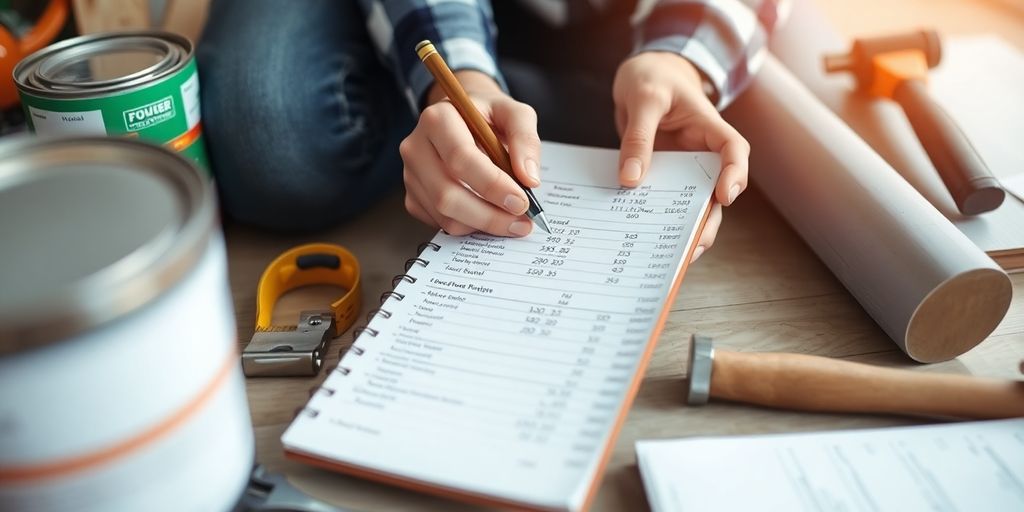
Setting up a home maintenance fund is like giving your house a financial safety net. You never know when a pipe might burst or the roof might start leaking. By putting aside a small amount each month into this fund, you create a buffer against unexpected expenses. Think of it as a rainy day fund specifically for your house. A good rule of thumb is to save about 1-3% of your home’s value each year for maintenance. This way, when something breaks, you’re not scrambling to find the money to fix it.
Estimating Costs for Common Repairs
When it comes to repairs, it’s smart to have a rough idea of what things might cost. Here’s a quick rundown:
- Plumbing Issues: Fixing leaky pipes or faucets can cost anywhere from $95 to $330, depending on how tricky the job is.
- Electrical Problems: Replacing faulty outlets might set you back $50 to $150.
- HVAC Maintenance: Regular filter replacements are relatively cheap, around $15 to $50, but more serious issues like thermostat problems could run $100 to $300.
Having a ballpark figure can help you plan better and avoid nasty surprises when the bill comes.
Financial Planning for Unexpected Issues
Even with a maintenance fund, unexpected problems can still catch you off guard. That’s why it’s crucial to have a bit of extra money set aside for those "just in case" moments. Consider diversifying your savings strategy. Maybe put some money in a high-yield savings account or even a short-term investment. This way, your money isn’t just sitting there; it’s growing.
Keeping a little extra cash tucked away means you’re prepared for anything, from a broken window to a faulty fridge. It’s all about peace of mind.
In the end, effective budgeting for home repairs is about being proactive. It’s about planning ahead so you’re not left in the lurch when something goes wrong. And if you’re thinking about bigger projects, like remodeling, Ruach Home Services can help you design and plan your dream space. With a little preparation, you can keep your home in tip-top shape without breaking the bank.
Learning Basic DIY Skills for House Repair
Essential Tools for DIY Projects
Starting on a DIY house repair journey? It all begins with having the right tools at your disposal. A well-stocked toolbox is like having a trusty sidekick. Here are some essentials:
- Hammer and nails
- Screwdrivers (both flathead and Phillips)
- Tape measure
- Adjustable wrench
- Plumber’s tape
- Utility knife
- Cordless drill
- Safety goggles
These tools cover a wide range of basic repair tasks, from fixing a loose door hinge to assembling furniture. Each tool has its own role, so knowing when and how to use them is key.
Safety Tips for DIY Enthusiasts
When tackling DIY projects, safety should always be your top priority. Here are a few tips to keep things safe:
- Wear protective gear like gloves, masks, and goggles.
- Ensure your workspace is well-lit and free from clutter.
- Keep a first aid kit nearby in case of minor injuries.
- Double-check that tools are in good condition before use.
- Follow instructions carefully, especially when using power tools.
Remember, it’s better to take your time and do it safely than to rush and risk an accident.
When to Call a Professional
While DIY can save money and be rewarding, there are times when it’s best to call in the experts. Complex electrical work or major plumbing issues are often beyond the scope of basic DIY skills. Here’s a quick checklist to help you decide:
- Is the problem beyond your current skill level?
- Does the task require specialized tools or equipment?
- Are there safety concerns that make you uncomfortable?
If you answer ‘yes’ to any of these, consider reaching out to professionals like Ruach Home Services, who can handle complex tasks and ensure quality results.
Preventative Maintenance to Avoid Costly Repairs
Keeping your home in good shape is like brushing your teeth—skip it, and you’ll pay later. Preventative maintenance is all about catching little issues before they turn into big, costly problems. Here’s what you need to focus on:
Roof and Gutter Maintenance
Your roof is your home’s first line of defense against the elements. Regularly check for missing or damaged shingles. If you spot any, fix them fast to keep leaks at bay. And don’t forget about your gutters. Clean them out at least twice a year to avoid clogs that can lead to water damage. If you’ve got trees nearby, gutter guards might be a good investment.
Sealing and Caulking Tips
Drafty windows and doors can be a real energy-sucker. Regularly inspect and replace caulking and weather stripping around them to keep your home cozy and your energy bills low. Don’t overlook areas like bathtubs and showers—re-caulking them can prevent water from sneaking into places it shouldn’t.
Pest Control and Lawn Care
Nobody wants uninvited guests, especially the creepy-crawly kind. Keep an eye out for signs of pests and deal with infestations quickly to avoid structural damage. In the yard, trim back bushes and trees to keep them from encroaching on your home. A tidy lawn not only looks good but helps keep pests at bay.
Pro Tip: Consider setting aside a small budget for regular maintenance tasks. It might seem like a hassle now, but it can save you a lot of money and stress down the line.
Don’t wait for things to break. A little attention now can prevent a big headache later. Stay on top of these tasks, and your home will thank you with fewer emergencies and a longer lifespan.
Emergency Preparedness for Homeowners
Turning Off Main Utilities
One of the first things every homeowner should know is how to turn off the main utilities in case of an emergency. Knowing how to quickly shut off water, gas, and electricity can prevent further damage to your home. It’s a good idea to label these shut-off points clearly. For instance, attach a bright tag to your main water valve so that anyone can easily find it during a crisis.
Essential Emergency Supplies
Having a well-stocked emergency kit is a must. Here’s a basic list to get you started:
- Flashlights with extra batteries
- A basic first-aid kit
- Non-perishable food and bottled water
- A battery-powered or hand-crank radio
- Multi-tool or a basic tool kit
These supplies can make a big difference in how comfortably you weather a storm or other emergency situation.
Creating an Emergency Plan
Planning ahead is key to staying calm and collected during an emergency. Develop a family emergency plan that includes:
- Evacuation routes: Know the safest ways to exit your home and neighborhood.
- Meeting points: Decide on a couple of safe places to meet, one near your home and one outside your neighborhood.
- Communication plan: Make sure everyone knows how to contact each other, even if cell service is down.
Preparing for emergencies might seem like a hassle now, but it’s worth it when you consider the peace of mind it brings. Having a plan in place can help you stay focused and safe in a crisis.
For those times when the damage is more than you can handle, consider reaching out to Ruach Home Services for their 24/7 storm damage repair. They offer rapid response and a range of services to help restore your home to its original state.
Choosing the Right Professionals for Major Repairs

How to Vet Contractors
Finding the right contractor for your home repairs can feel like a daunting task. Start by seeking recommendations from friends or family who have had similar work done. Word of mouth is often the most reliable source. Once you have a few names, check their credentials. Make sure they are licensed, insured, and have a good standing with the Better Business Bureau. It’s also wise to ask for references and follow up by calling previous clients to see how satisfied they were with the work.
Understanding Written Agreements
Before any work begins, ensure you have a detailed written agreement in place. This contract should outline the scope of work, materials to be used, timeline, and payment schedule. Don’t rely on verbal promises; everything should be in writing. Review the contract carefully and don’t hesitate to ask questions or request changes if something doesn’t seem right. A clear agreement can prevent misunderstandings and unexpected costs down the line.
When to Opt for Professional Help
Sometimes, the best decision you can make is knowing when to step back and let a professional handle the job. Tasks like electrical work, major plumbing issues, or structural repairs require specialized skills and knowledge. Attempting these on your own can lead to costly mistakes or even safety hazards. If you’re unsure, it’s always safer to consult a professional, ensuring the job is done correctly and safely. When choosing a handyman, evaluate their experience, licensing, insurance, and references to maintain your property effectively.
When it comes to major repairs, picking the right experts is key. You want someone who knows what they’re doing and can handle the job well. Don’t rush this choice; take your time to find professionals who are trustworthy and experienced. For more tips and to find the best help for your home, visit our website today!
Conclusion
Wrapping up, tackling house repairs might seem like a mountain at first, but with a bit of patience and the right know-how, it becomes manageable. Remember, it’s all about taking one step at a time. Start small, maybe with a leaky faucet or a squeaky door, and build your skills from there. Don’t shy away from asking for help or calling in a pro when things get tricky. After all, keeping your home in good shape is a marathon, not a sprint. So, roll up those sleeves, and happy fixing!
Frequently Asked Questions
How often should I check my home’s systems?
It’s a good idea to check your home’s systems, like plumbing and electrical, at least once a year. Regular checks can help catch small problems before they become big issues.
What are some basic DIY skills every homeowner should learn?
Every homeowner should learn how to do simple tasks like fixing a leaky faucet, changing air filters, and resetting a tripped circuit breaker. These skills can save you time and money.
How can I create a home maintenance budget?
Start by setting aside a small amount of money each month into a home maintenance fund. This way, you’ll have some savings ready for any repairs or maintenance tasks that come up.
When should I call a professional for home repairs?
You should call a professional for major repairs, like electrical work, big plumbing issues, or anything involving your home’s structure. It’s safer and often more cost-effective in the long run.
What are some tips for preventing costly home repairs?
Regular maintenance, like cleaning gutters and checking the roof for damage, can prevent bigger problems. Also, sealing windows and doors can help avoid drafts and water leaks.
How can I prepare for home emergencies?
Make sure you know how to turn off your home’s main utilities, like water and electricity. Keep emergency supplies like flashlights, batteries, and a first-aid kit handy.