In 2024, property restoration is not just about fixing what’s broken but about embracing new ideas and technologies. Restoration companies are exploring innovative ways to tackle challenges, from using cutting-edge tech to forming strong partnerships. As the industry evolves, staying ahead means rethinking traditional methods and adopting strategies that are both efficient and effective. This article dives into some fresh approaches that are shaping the future of property restoration.
Key Takeaways
- Using tech like AI and drones is changing how we assess and repair properties.
- Building relationships with insurers, local trades, and communities is crucial.
- Weather events are unpredictable, so having a solid response plan is key.
- Offering services like mold remediation can set companies apart.
- Streamlining operations and using digital marketing can boost efficiency and reach.
Leveraging Technology for Advanced Property Restoration
Integrating AI and Machine Learning
AI and machine learning are transforming property restoration by automating complex tasks and improving accuracy. These technologies streamline the assessment and repair processes, reducing human error and speeding up recovery times. Companies can now predict potential issues before they occur, helping to minimize damage and costs. AI tools analyze vast amounts of data to provide insights that were previously unattainable, making restoration efforts more efficient and effective.
Utilizing Drones for Damage Assessment
Drones offer a new perspective in damage assessment, allowing for quick and safe evaluations of affected areas. They can access hard-to-reach places and provide high-resolution images and videos, which are invaluable for creating detailed damage reports. This technology not only speeds up the assessment process but also ensures that no damage goes unnoticed, thus enhancing the overall restoration strategy.
Implementing IoT for Real-Time Monitoring
The Internet of Things (IoT) enables real-time monitoring of property conditions, providing continuous data that can alert managers to potential issues as they arise. Sensors placed throughout a property can detect changes in moisture levels, temperature, and structural integrity, allowing for immediate response. This proactive approach helps in mitigating damage and ensuring that restoration processes are initiated without delay.
Building Strong Relationships in the Restoration Industry
Partnering with Insurance Companies
In the restoration business, creating a solid partnership with insurance companies can be a game-changer. When disaster strikes, homeowners often rely on their insurers to recommend reliable restoration services. By aligning with these companies, restoration businesses can secure a steady stream of referrals. Additionally, having agreements in place can lead to faster claim processing and better customer satisfaction.
Collaborating with Local Trades and Services
Working closely with local trades like plumbers, electricians, and roofers can open up new opportunities. These professionals often encounter situations where restoration services are needed but not within their scope. By establishing a referral network, you can become the go-to provider for these jobs. It’s a win-win: they maintain customer trust, and you gain new business. Consider formalizing these relationships through referral agreements to ensure mutual benefit.
Engaging with Community and Homeowner Associations
Community and homeowner associations are key players in property management. Engaging with them can lead to long-term business. Hosting informational sessions or workshops can introduce your services and expertise to a wider audience. This proactive approach not only builds trust but also positions your company as a knowledgeable resource within the community.
Building strong relationships in the restoration industry isn’t just about business; it’s about creating a network of trust and reliability. By focusing on partnerships, collaborations, and community engagement, restoration companies can ensure they are the first call when disaster strikes.
Navigating the Challenges of Extreme Weather Events
Extreme weather events can throw a wrench in the best-laid plans, especially when it comes to property restoration. The unpredictability of these events means that restoration companies need to be prepared for anything, any time.
Preparing for Unpredictable Weather Patterns
The weather is like that one friend who never texts back—completely unpredictable. But just because we can’t predict the weather doesn’t mean we can’t prepare for it. Restoration companies can use historical data and advanced forecasting tools to estimate potential demand. This way, they can have a plan in place for when things go sideways.
- Use historical weather data to identify patterns.
- Invest in forecasting tools that offer real-time updates.
- Develop flexible response plans that can be adjusted as new information becomes available.
Developing Rapid Response Strategies
When a storm hits, speed is everything. Quick action can mean the difference between a minor repair and a major overhaul. Companies like Ruach Home Services offer 24/7 storm damage repair, which includes emergency response and water damage restoration.
- Establish a dedicated emergency response team.
- Train staff to handle a variety of situations quickly and efficiently.
- Maintain a stockpile of essential materials and equipment for immediate deployment.
Ensuring Resource Availability and Mobilization
Having the right resources available at the right time is crucial. It’s not just about having the tools but also having the people ready to use them.
- Keep an updated inventory of all necessary equipment.
- Develop a network of local suppliers to ensure quick access to materials.
- Coordinate with other service providers to share resources and expertise during large-scale events.
In the face of extreme weather, preparation and quick response are your best allies. By staying ready, restoration companies can minimize damage and restore normalcy faster, ensuring safety and peace of mind for their clients.
Expanding Service Offerings for Comprehensive Restoration
Incorporating Mold and Air Quality Remediation
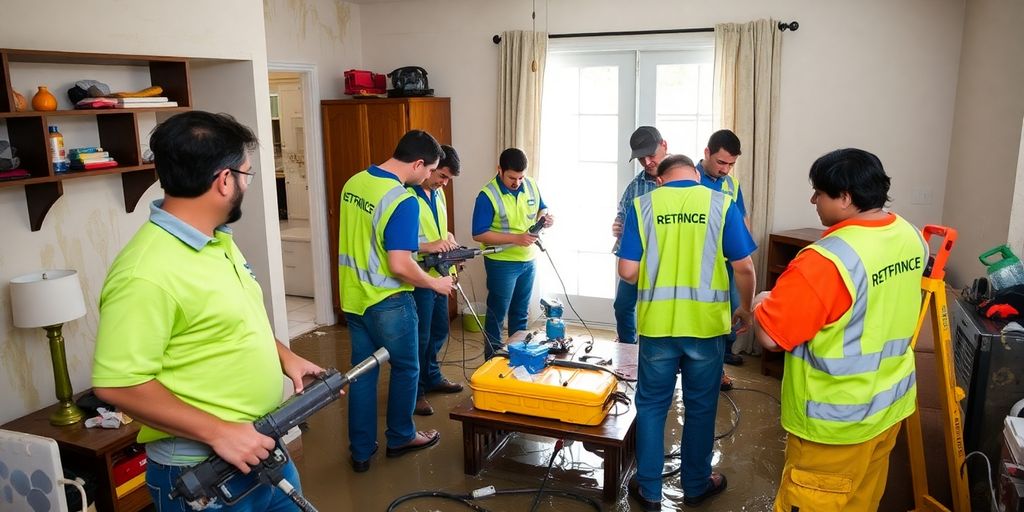
Mold and air quality issues can sneak up on homeowners, causing health problems and structural damage if not addressed quickly. Restoration companies are now expanding their services to include comprehensive mold remediation and air quality improvement. This involves not just removing the mold but also identifying and fixing the underlying moisture problems. Using advanced technology, like air scrubbers and dehumidifiers, helps in maintaining a healthy indoor environment. Companies like this one offer top-notch home remodeling and damage restoration services, ensuring thorough inspections and swift cleanups.
Offering End-to-End Restoration Solutions
Clients are increasingly looking for one-stop solutions when disaster strikes. Instead of juggling multiple contractors, homeowners prefer companies that handle everything from initial assessment to final touches. This means offering services like debris removal, structural repairs, and even remodeling. By providing a complete package, companies can streamline the restoration process, making it less stressful for the homeowner and more efficient overall.
Exploring New Geographic Markets
Expanding into new geographic areas can be a game-changer for restoration businesses. By entering markets that are underserved, companies can tap into new revenue streams and reduce dependency on local demand fluctuations. It’s about finding the right balance between local expertise and broader reach. This approach not only enhances business resilience but also makes companies more attractive partners for insurance firms looking for reliable service providers across different regions.
Optimizing Operations for Efficient Property Restoration
Streamlining Processes with Master Service Agreements
Master Service Agreements (MSAs) are like having a safety net ready before you fall. These are pre-arranged contracts that set the groundwork for how services are delivered, especially useful in commercial settings where time is money. Commercial clients often prefer MSAs because they guarantee quick response times and set pricing, ensuring there are no surprises when disaster strikes. Typically, these agreements involve three to six service providers, ensuring availability and proximity to the affected site. This setup not only speeds up the response but also helps in centralizing and simplifying the restoration process.
Enhancing Communication and Coordination
In restoration, clear communication is the backbone of success. Without it, even the best-laid plans can fall apart. Restoration teams need to maintain open lines with everyone involved—from insurance adjusters to property owners. A good practice is to set regular check-ins and updates, which can prevent misunderstandings and keep projects on track. Also, using technology to share real-time updates can significantly boost efficiency and client satisfaction.
Utilizing Scaled Platforms for Broader Reach
The restoration industry is inherently local, but there’s a growing trend towards scaling operations to cover wider regions. This approach not only maximizes resource use but also enhances brand recognition. Companies that can operate on a national scale often have the upper hand when dealing with insurance companies, as they can offer a consistent service level across multiple locations. Scaled platforms allow for better mobilization of equipment and personnel, ensuring that even during peak demand times, services remain uninterrupted. This broad reach makes them a preferred choice for large-scale projects and recurring clients like homeowner associations.
Understanding Market Dynamics and Revenue Streams
Analyzing the Impact of Recurring Events
When it comes to the restoration industry, recurring events like burst pipes or kitchen fires often make up a significant chunk of revenue. Unlike unpredictable catastrophic events, these are more consistent and can be anticipated to some extent. Recurring events provide a stable revenue base for many companies. They are less flashy than big storms or floods, but they keep the wheels turning. Companies need to focus on these bread-and-butter issues to maintain a steady cash flow.
Assessing the Role of Insurance in Revenue Stability
Insurance plays a big role in how revenue flows into restoration businesses. When homeowners face damage, insurance often covers the costs, making it a key player in the industry’s revenue stream. However, there’s a catch. Rising insurance costs might lead some homeowners to drop coverage altogether, which could impact companies reliant on insurance-funded projects. It’s a balancing act, and companies need to keep a close eye on these trends.
Exploring Opportunities in Fragmented Markets
The restoration market is highly fragmented, with many small players focusing on niche services. This fragmentation presents both challenges and opportunities. On one hand, it can be tough to stand out. On the other hand, there’s room for growth by acquiring smaller firms or expanding service offerings. Companies that understand the market dynamics and adapt quickly can find lucrative opportunities in this complex landscape.
In a world where extreme weather grabs headlines, it’s the quiet, recurring events that often sustain the restoration industry. Understanding these dynamics is key to navigating the market successfully.
Innovative Marketing Strategies for Restoration Companies

Harnessing Digital Marketing for Lead Generation
In 2024, restoration companies are stepping up their digital game. Digital marketing is your best friend when it comes to grabbing those leads. Start by optimizing your website for search engines. This means using the right keywords, having fast loading times, and making sure it’s mobile-friendly. Next, dive into social media. Platforms like Facebook and Instagram can help you connect with potential clients. Paid ads are also a great way to reach a broader audience quickly. Don’t forget about email marketing—it’s still a powerful tool for keeping in touch with past clients and nurturing new leads.
Building a Strong Online Presence
A strong online presence is more than just having a website. It’s about creating a brand that people recognize and trust. Regularly update your blog with helpful tips and insights about the restoration industry. Join online forums and engage with the community. This not only boosts your visibility but also establishes you as an authority in the field. Consider hosting webinars or live Q&A sessions to showcase your expertise and connect with your audience on a more personal level.
Utilizing Customer Testimonials and Case Studies
There’s nothing like a good story to sell your services. Collect testimonials from happy clients and showcase them prominently on your website. Go a step further by creating detailed case studies. These should highlight the challenges faced, the solutions you provided, and the results achieved. It’s a great way to demonstrate your expertise and build trust with potential clients. Remember, real-life examples are often more convincing than any sales pitch.
If you’re looking for fresh ideas to boost your restoration business, check out our innovative marketing strategies! We can help you connect with more customers and grow your brand. Visit our website today to learn more and get started!
Conclusion
As we look ahead to 2024, the property restoration industry stands at a crossroads of innovation and tradition. While the market is vast and complex, the key to success lies in balancing local expertise with the advantages of scale. Companies that can adapt to changing conditions, whether through embracing new technologies or forming strategic partnerships, will likely find themselves ahead of the curve. The unpredictable nature of extreme weather events and the steady demand from recurring issues both present unique challenges and opportunities. By focusing on building strong relationships and maintaining flexibility, restoration businesses can navigate the uncertainties of the future. In the end, the ability to respond quickly and efficiently to both everyday and extraordinary events will define the leaders in this evolving field.
Frequently Asked Questions
How can technology help in property restoration?
Technology can make property restoration faster and more accurate. Tools like AI can predict damage, drones can assess hard-to-reach areas, and IoT devices can monitor conditions in real-time.
Why are relationships important in the restoration industry?
Strong relationships with insurance companies, local trades, and communities can lead to more business opportunities and smoother project execution.
What challenges do extreme weather events pose?
Extreme weather is unpredictable and can cause sudden, widespread damage. Restoration companies need to be prepared with quick response strategies and resources.
How can restoration companies expand their services?
Companies can offer new services like mold and air quality remediation, provide complete restoration solutions, or explore new geographic areas to grow their business.
What are some ways to improve operations in property restoration?
Streamlining processes, enhancing communication, and using scalable platforms can make operations more efficient and help reach more clients.
How can restoration companies market themselves effectively?
Using digital marketing, building a strong online presence, and sharing customer testimonials can help restoration companies attract more clients.