Dealing with a water leak in your home can be a real hassle. Not only do you have the mess to clean up, but then there’s the whole insurance thing to figure out. It’s not always clear what your insurance will cover when it comes to water leaks, and that’s where this guide comes in. We’ll break down the ins and outs of insurance cover for water leaks, so you can be prepared if it happens to you. From understanding your policy to filing a claim, and even dealing with denied claims, we’ve got you covered.
Key Takeaways
- Know what’s covered in your insurance policy before a leak happens.
- Take immediate action to minimize damage when you discover a leak.
- Document everything thoroughly for a smoother claim process.
- Work with professionals, like adjusters and contractors, to ensure fair handling.
- Understand your rights and don’t hesitate to negotiate settlements.
Understanding Your Insurance Policy for Water Leaks
What Is Typically Covered
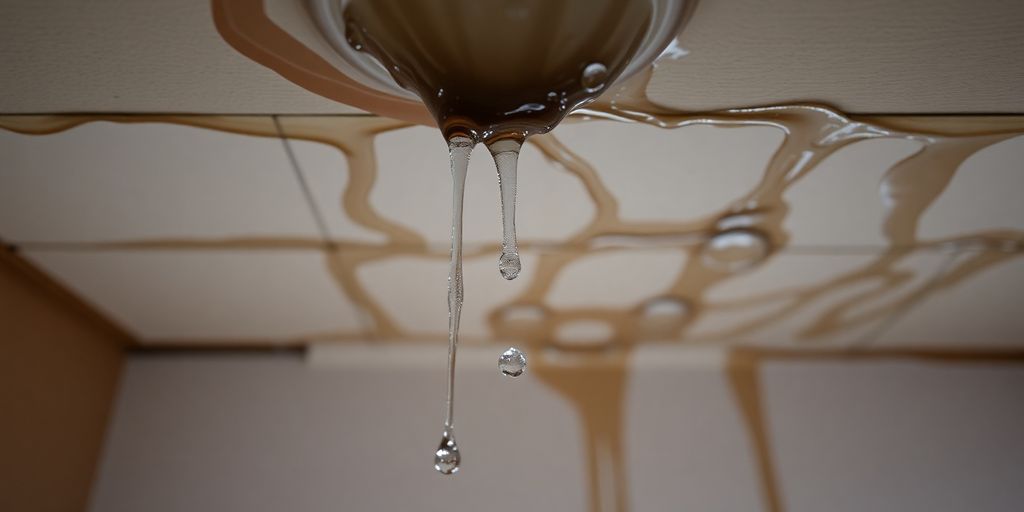
When it comes to water leaks, knowing what’s covered under your insurance policy can save you a lot of stress. Generally, most homeowners’ policies cover sudden and accidental water damage. This includes things like burst pipes, a sudden plumbing failure, or an appliance malfunction that leads to water damage. Structural damage to your home, such as walls, floors, and ceilings, is usually included. Additionally, the cost of water extraction and restoration services, which might involve drying out areas and removing mold, is often covered. However, always double-check with your insurer to confirm these details.
Common Exclusions to Be Aware Of
Insurance policies often have exclusions that can catch you off guard. Gradual damage, like a slow leak that’s been unnoticed for months, is typically not covered. If the damage is due to neglect or lack of maintenance, such as failing to fix a known issue, you might find yourself out of luck. Also, damage from intentional acts or vandalism is usually excluded. It’s crucial to be aware of these exclusions to avoid surprises when filing a claim.
How to Read Your Policy Effectively
Understanding the fine print of your policy can be daunting, but it’s necessary. Start by identifying the key sections that outline coverage and exclusions. Look for terms related to water damage and note any specific conditions or requirements. It might help to consult a professional if you’re unsure about any terms. Remember, your insurer is also a resource, so don’t hesitate to ask them to clarify any confusing points. Keeping a clear understanding of your policy can help you navigate any claims more smoothly.
Steps to Take When You Discover a Water Leak
Immediate Actions to Prevent Further Damage
When you first notice a water leak, acting quickly can save you from a lot of trouble down the road. Here’s what you can do right away:
- Shut off the water supply: Locate and turn off the main water valve. If it’s a localized leak, like from a sink or toilet, you might just need to turn off the supply to that fixture.
- Move your belongings: Quickly relocate any personal items, furniture, or electronics to prevent them from getting soaked and damaged.
- Contain the water: Use towels, buckets, or a wet/dry vacuum to manage the water and stop it from spreading further.
Documenting the Damage for Your Claim
Proper documentation is key when filing an insurance claim for a water leak. Here’s how to get started:
- Photographs and Videos: Capture the scene from multiple angles, highlighting the source of the leak and the extent of the damage. Don’t forget to include any affected personal items.
- Written Notes: Jot down details about when the leak started, how it was discovered, and any immediate actions you took.
- Receipts and Estimates: Keep records of any initial repair costs, like hiring a plumber or buying supplies to stop the leak.
Contacting Your Insurance Provider
Once you’ve managed the immediate crisis and documented the damage, it’s time to get in touch with your insurance company:
- Report the Incident: Call your insurance provider as soon as possible to report the leak. Provide them with all the details and documentation you’ve gathered.
- Follow Their Guidance: Insurance companies usually have specific procedures for handling water damage claims. They might send an adjuster to assess the damage or request additional information.
- Ask Questions: Make sure you understand the next steps. Clarify any doubts about coverage, deductibles, or the timeline for the claims process.
Discovering a water leak can feel overwhelming, but taking these steps promptly can make a big difference. It’s all about quick action and thorough documentation to ensure you’re on the right path to resolving the issue.
Filing a Water Leak Insurance Claim
Gathering Necessary Documentation
Filing an insurance claim for a water leak isn’t just about making a few calls. It starts with collecting all the right paperwork and evidence. Photos and videos are your best friends here. Snap shots of the leak, the damage it caused, and anything else that might help your case. Don’t forget to grab quotes from contractors for repair costs. This isn’t just busywork—it’s proof. Keep those receipts and invoices too. They show the real impact on your wallet.
Working with Insurance Adjusters
Once you’ve got all your docs in a row, it’s time to deal with the insurance adjuster. These folks assess the damage and decide how much you should get. Be ready to answer questions and provide any extra info they need. It’s a bit of a dance, but being prepared makes it smoother. If things get complicated, consider getting help from a public adjuster, someone who knows the ropes and can speak the insurance lingo.
Common Mistakes to Avoid
Nobody wants to mess up their claim. Here are some pitfalls to watch out for:
- Waiting too long to report: Call your insurer ASAP. Delays can make things tricky.
- Missing documentation: Without the right paperwork, your claim might fall flat.
- Accepting the first offer: Sometimes, the first offer isn’t the best. Don’t be afraid to push back if it doesn’t cover your costs.
Filing an insurance claim can feel like a hassle, but with the right prep, you can get through it. Remember, it’s about getting the support you need to fix your home and move on.
Working with Professionals During the Claim Process
Hiring a Public Adjuster
When you’re knee-deep in insurance paperwork, a public adjuster can be a real lifesaver. These folks are independent claims experts who work for you, not the insurance company. Their job is to make sure you get every penny you’re entitled to. But, finding the right one? That’s key. Make sure they’re licensed and have a good track record. They’ll help you gather evidence, negotiate with the insurance folks, and keep things moving smoothly.
Coordinating with Contractors
You’ll probably need to bring in contractors to fix up the damage. It’s up to you to find reliable ones—your insurance company won’t do it for you. Meet with several, get quotes, and check their credentials. A good contractor will help you understand repair costs and timelines. This is crucial because you might need to compare their estimates with what your insurance adjuster offers.
Ensuring Quality Repairs
Once you’ve picked your contractor, stay involved. Keep an eye on the work to make sure it’s up to standard. Don’t be shy about speaking up if something looks off. Remember, this is your home, and you want it back to its best. If you’re planning any upgrades, like swapping those old tiles for something snazzier, talk it over with your contractor. You’ll need to cover the extra costs, but it could be worth it for a fresh look.
Working with the right professionals can make the whole insurance claim process less of a headache. They’re there to help you navigate the mess and get your home back in shape without too much hassle.
Negotiating and Finalizing Your Insurance Settlement
Reviewing the Settlement Offer
Once your insurance company has reviewed your claim, they’ll send over a settlement offer. This offer outlines how much they’re willing to pay for the damages. It’s crucial to review this offer carefully. Check if it covers all the expenses you’ve incurred. If your policy is based on actual cash value (ACV), remember it might be less than the replacement cost. ACV considers depreciation, so if your 10-year-old carpet is damaged, you won’t get the full amount you paid for it a decade ago.
Negotiating for a Better Settlement
If the initial offer seems low, don’t hesitate to negotiate. It’s your right. Start by gathering estimates from several contractors to see if they align with the insurance adjuster’s figures. If they don’t, use these as leverage. Sometimes, involving a public adjuster can be helpful—they know the ropes and can negotiate on your behalf. Be prepared to provide additional documentation or evidence to support your claim.
Understanding Your Rights
Understanding your rights during this process is key. You have the right to dispute any offer you feel is unfair. If negotiations stall, consider consulting a legal professional who specializes in insurance claims. They can offer guidance on the best course of action. Remember, insurance companies are obligated to act in good faith, so don’t shy away from standing your ground if you feel shortchanged.
Finalizing an insurance settlement can be a bit of a dance between you and the insurance company. Stand firm, know your rights, and don’t settle for less than what you believe is fair.
Preventative Measures to Avoid Future Water Leaks
Regular Home Maintenance Tips
Keeping up with regular home maintenance is key to preventing water leaks. Simple tasks like checking your plumbing regularly can save you from huge headaches down the line. Here are a few tips:
- Inspect your supply lines regularly for any signs of wear or damage. Replacing old or damaged lines can prevent leaks before they start.
- Keep an eye on your water pressure. High pressure can strain pipes and lead to leaks. Consider installing a pressure regulator if needed.
- Clean gutters and downspouts to ensure proper drainage. Blocked gutters can cause water to back up and potentially leak into your home.
Installing Water Leak Detection Systems
Installing a water leak detection system is a proactive step that can help you catch leaks early. These systems can detect leaks and shut off your water supply automatically, minimizing damage. Investing in such technology might even lead to discounts on your home insurance.
Understanding Seasonal Risks
Different seasons bring different risks for water leaks. In winter, pipes can freeze and burst, while heavy spring rains can lead to roof leaks. Here’s how to prepare:
- Insulate pipes in colder areas of your home to prevent freezing.
- Ensure your roof is in good condition to handle heavy rains or snow.
- Regularly check for any signs of leaks around windows or doors, especially after storms.
Taking these preventative measures can save you time, money, and stress. A little effort now can prevent big problems later.
Dealing with Denied Claims
Reasons for Claim Denial
When your water leak insurance claim gets denied, it can feel like a punch to the gut. But understanding why it happened is the first step to turning things around. Claims are often denied due to insufficient documentation, lack of coverage, or filing errors. Sometimes, the insurer might argue that the damage was due to negligence or that the issue was pre-existing. It’s crucial to read the denial letter carefully to grasp the exact reason your claim was rejected.
Steps to Dispute a Denied Claim
If your claim is denied, don’t lose hope. Here’s a game plan to tackle it:
- Review the denial letter: Start by reading the denial letter thoroughly. Look for specific reasons and any policy terms mentioned.
- Gather evidence: Collect all relevant documents, including photos, repair estimates, and correspondence with contractors.
- Write a formal appeal: Draft a letter detailing why you believe the denial was incorrect. Attach your evidence and reference specific policy terms.
- Contact your insurance agent: Discuss the situation with your agent. They may provide insights or assistance in the appeal process.
- Seek professional help: Consider consulting a public adjuster or attorney specializing in insurance disputes.
When to Seek Legal Advice
Sometimes, despite your best efforts, the insurance company remains firm on their denial. In such cases, seeking legal advice might be your best bet. A lawyer can help you understand your rights and explore further options. They might suggest mediation or even taking legal action if necessary. Remember, legal advice can be a powerful tool in ensuring you get the coverage you deserve.
"Facing a denied claim is tough, but it’s not the end of the road. With the right approach, you can challenge the decision and potentially secure the compensation you need to repair your home."
For more detailed steps on handling water damage and the restoration process, including the importance of thorough drying to prevent mold, check out this essential guide.
If your claim has been denied, don’t lose hope. There are steps you can take to appeal the decision and get the help you need. Start by reviewing your policy and gathering all necessary documents. If you need assistance, visit our website for expert guidance and support. We’re here to help you navigate the process!
Wrapping It Up: What Homeowners Should Keep in Mind
So, there you have it. Dealing with water leaks and insurance claims can be a bit of a rollercoaster, but knowing what to expect can make the ride a little smoother. First off, always know what’s in your policy. It sounds basic, but it’s crucial. You don’t want any surprises when you’re already stressed out. Next, document everything. Take pictures, keep receipts, and jot down notes. It might feel like overkill, but trust me, it’ll pay off. And if things get tricky, don’t hesitate to bring in a pro, like a public adjuster. They can be a real lifesaver when you’re feeling overwhelmed. At the end of the day, being prepared and proactive is your best bet to get through the claims process with your sanity intact. Good luck, and may your home stay dry!
Frequently Asked Questions
What should I do first if I find a water leak in my home?
If you discover a water leak, the first thing you should do is stop the water from causing more damage. You can do this by turning off the water supply. Then, try to dry the area and take pictures of the damage to show your insurance company later.
Does homeowners insurance cover all types of water damage?
Homeowners insurance usually covers sudden and accidental water damage, like a burst pipe. However, it might not cover damage from floods or slow leaks that happen over time. It’s important to check your policy to know what’s covered.
Why might my water damage claim be denied?
A claim might be denied if the damage was due to neglect, like not fixing a known issue. It could also be denied if the damage was gradual or if it’s not covered by your policy, such as flood damage without flood insurance.
How can I make sure my insurance claim is successful?
To help your claim go smoothly, document everything by taking photos and keeping receipts. Report the damage to your insurance company quickly, and follow their instructions carefully. You might also consider hiring a public adjuster to help.
What is a public adjuster and should I hire one?
A public adjuster is a professional who helps you with your insurance claim. They work for you, not the insurance company, to make sure you get a fair settlement. You might hire one if your claim is complicated or if you feel your insurer isn’t treating you fairly.
How can I prevent water leaks in the future?
To prevent water leaks, regularly check your home for signs of leaks or damage. Fix small problems quickly before they become big ones. Installing a water leak detector can also help you catch leaks early.