Dealing with water damage in your home is never fun. Whether it’s from a busted pipe or a leaky roof, the mess and stress can be overwhelming. That’s where water damage restoration insurance comes in. It helps cover the costs of repairs and gets things back to normal. But understanding your coverage and knowing how to handle claims is key. This guide will take you through the ins and outs of water damage restoration insurance, so you’re prepared when the unexpected happens.
Key Takeaways
- Water damage restoration insurance covers sudden and accidental damage like burst pipes, but not gradual leaks.
- Common exclusions include flood damage and sewer backups, which often require separate policies.
- Documenting the damage thoroughly can make the claims process smoother and help ensure a fair settlement.
- Deciding whether to file a claim or pay out-of-pocket depends on the extent of damage and your policy’s deductible.
- Regular maintenance and installing water leak detection systems can help prevent water damage.
Key Components of Water Damage Restoration Insurance
When it comes to water damage restoration insurance, understanding the key components of your policy is essential. Having a clear grasp of what’s covered and what’s not can save you a lot of headaches down the line.
Understanding Policy Coverage
First off, it’s important to know what your policy covers. Many standard homeowner’s insurance policies cover sudden and accidental water damage, like a burst pipe or an unexpected flood. However, gradual leaks or damage resulting from poor maintenance are typically not covered. It’s crucial to read through your policy documents carefully and perhaps even discuss them with your insurance agent to get a clear picture.
Common Exclusions in Water Damage Insurance
There are always exceptions to the rule, and insurance is no different. Common exclusions in water damage insurance often include:
- Damage from sewer backups unless you’ve specifically added coverage for it.
- Mold damage if it results from a leak that wasn’t fixed promptly.
- Damage from floods, which usually requires separate flood insurance.
Knowing these exclusions can help you decide whether additional coverage is necessary.
The Role of Endorsements and Riders
Endorsements and riders can play a significant role in tailoring your insurance policy to better suit your needs. These are essentially add-ons or modifications to your existing policy that can provide extra coverage for things that aren’t included in the standard policy. For instance, you might add a rider for sewer backup or even for mold remediation.
Remember, the key to a good insurance policy is not just in the coverage it provides, but in understanding the limitations and exclusions that come with it. This knowledge empowers you to make informed decisions about additional coverage options, like endorsements and riders, that might be necessary for your peace of mind.
Steps to Take When Filing a Water Damage Insurance Claim
Documenting the Damage
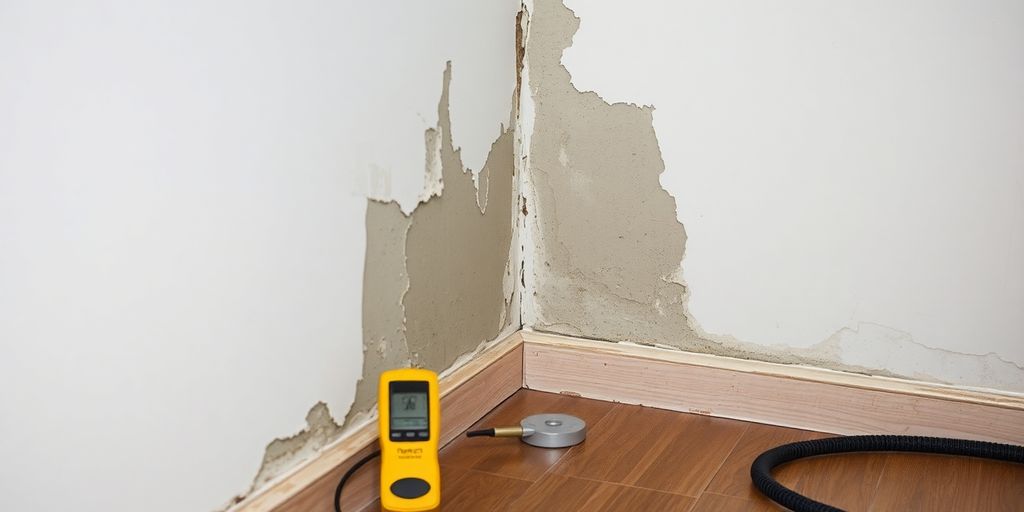
First things first, when you spot water damage, grab your phone or camera and start snapping photos. Documentation is key. Make a list of everything that’s been affected, and jot down the condition of each item. If you need to make any quick fixes to prevent more damage, like patching a leak, keep those receipts. They’ll be handy when you’re filing your claim.
Contacting Your Insurance Provider
Once you’ve got your documentation in order, it’s time to call your insurance company. Don’t wait too long; some policies have tight deadlines. Explain the situation and start the claims process. They’ll likely send an adjuster to check out the damage and help figure out what your policy covers.
Working with an Insurance Adjuster
When the adjuster shows up, be ready to show them all your documentation. They’ll assess the damage and estimate repair costs. It’s a good idea to ask questions and make sure you understand their assessment. Sometimes the initial payout offer might not cover everything, so be prepared to negotiate if needed.
Remember, the faster you act, the smoother this process will be. Delays can lead to complications, especially with water damage, as mold can start growing quickly.
Deciding Whether to File a Claim or Pay Out-of-Pocket
Evaluating the Extent of Damage
When faced with water damage, the first step is to assess how bad it is. Is it just a small leak or something bigger? Take a good look around and see if it’s something you can handle on your own or if it’s time to get the insurance folks involved. Being clear about the extent of the damage helps in deciding the next steps. Sometimes, a small fix today can prevent a bigger mess tomorrow.
Understanding Policy Deductibles
Before you rush to file a claim, check your insurance policy’s deductible. If the repair costs are close to or less than your deductible, it might not make sense to file a claim. Remember, filing a claim can sometimes lead to higher premiums. So, weigh the costs and benefits. Here’s a quick way to think about it:
| Situation | Best Action |
|---|---|
| Damage costs less than deductible | Pay out-of-pocket |
| Damage costs more than deductible | Consider filing a claim |
When Self-Pay Might Be Beneficial
Sometimes, handling the repairs yourself can be the smarter choice. Here are a few scenarios where self-pay might make sense:
- Minor Damage: If it’s just a small issue, like a leaky faucet or a bit of drywall damage, paying out-of-pocket could be cheaper in the long run.
- High Deductible: If your deductible is high, and the damage repair costs are close to that amount, you might end up paying most of it yourself anyway.
- Worry About Premiums: Filing a claim can sometimes increase your premiums. If you’ve already made a few claims, it might be best to handle smaller repairs yourself.
Making the call between filing a claim and paying out-of-pocket can be tough. Think about the long-term costs and benefits. If you’re unsure, talking to a professional can give you some clarity.
Deciding how to handle water damage is about balancing immediate costs with future implications. By evaluating the damage, understanding your policy, and considering the potential impact on your premiums, you can make a choice that best suits your situation. If you’re ever in doubt, getting advice from a professional can be a good move.
Preventive Measures to Avoid Water Damage
Regular Home Maintenance Tips
Keeping up with regular home maintenance is your first line of defense against water damage. Simple tasks like cleaning your gutters can prevent water from overflowing and seeping into your home. Inspect your roof for any loose or missing shingles, as these can allow water to penetrate your home. Also, check your plumbing for leaks and make sure your HVAC system is functioning properly.
- Gutter cleaning: Ensure water drains properly away from your home.
- Roof inspections: Check for damaged or missing shingles.
- Plumbing checks: Look for leaks and fix them promptly.
Installing Water Leak Detection Systems
Technology can be a lifesaver in preventing water damage. Water leak detection systems can alert you to leaks before they become a major problem. These systems, which can be installed in kitchens, bathrooms, or basements, detect even small leaks and notify you immediately. Some smart devices can even shut off the water supply automatically when a leak is detected, preventing further damage.
Understanding Seasonal Risks
Water damage risks can vary with the seasons. In winter, frozen pipes are a common issue, while spring might bring heavy rains that your drainage system needs to handle. Be aware of the specific risks each season brings and prepare accordingly.
- Winter: Insulate pipes to prevent freezing.
- Spring: Ensure your drainage system can handle increased rainfall.
- Summer/Fall: Check for any wear and tear after extreme weather events.
Prevention is always better than dealing with the aftermath. Regular checks and timely repairs can save you from the stress and expense of water damage. Stay proactive, and your home will thank you.
Navigating the Insurance Claims Process for Water Damage
Initial Assessment and Mitigation
When water damage hits, your first step is to assess the situation quickly. Take photos and jot down notes about everything damaged—walls, floors, furniture, you name it. This info is gold for your insurance claim. Then, do what you can to stop further damage. Shut off the water source and move unaffected items to safety. If needed, call a professional to help with emergency repairs, and keep those receipts handy.
Submitting Required Documentation
Once you’ve got your documentation in order, it’s time to reach out to your insurance company. Let them know about the damage ASAP. Most policies have a short window for filing claims, so don’t delay. Make sure to have your policy number and details on hand when you call. Be prepared to send them all the documentation you’ve gathered, like photos, repair estimates, and receipts.
Reviewing and Negotiating Settlement Offers
After your insurance company reviews your claim, they’ll send an adjuster to check out the damage. This is where all your documentation comes into play. The adjuster will use this info to figure out your payout. When you get a settlement offer, don’t just accept it right away. Look it over to make sure it covers your repair costs. If it doesn’t, don’t be afraid to negotiate or ask for a second opinion. Remember, understanding the insurance claims process can help you get a fair deal.
Understanding the Costs Involved in Water Damage Restoration
Estimating Repair Costs
When water damage hits, the first thing on most people’s minds is the cost. It’s not just about fixing a leaky pipe or drying out a soaked carpet. Water damage restoration can range from $150 to $100,000, with most homeowners typically spending between $1,300 and $6,000 for emergency situations. The extent of the damage largely dictates the cost. A small leak might just need a quick fix, but extensive flooding can mean tearing out walls, replacing flooring, and even dealing with mold removal.
Factors Affecting Insurance Payouts
Insurance can be a lifesaver when it comes to covering these costs, but it’s not always straightforward. The payout depends on several factors: the cause of the water damage, your policy details, and any deductibles you might have. For instance, if the damage comes from a sudden burst pipe, you’re likely covered. However, gradual leaks might not be. Understanding your policy’s fine print is crucial to knowing what you can claim.
Budgeting for Uncovered Expenses
Even with insurance, you might find yourself paying out-of-pocket for some things. This could be due to policy exclusions or deductibles. It’s wise to set aside a budget for these unexpected expenses. Consider the cost of temporary housing if your home becomes uninhabitable or the price of replacing personal items that insurance doesn’t cover.
Water damage restoration isn’t just about fixing what’s broken. It’s about planning for the unexpected and being prepared for any financial surprises that come your way.
Choosing the Right Water Damage Restoration Company
Evaluating Credentials and Experience
Finding the right water damage restoration company isn’t just about who can get there the fastest. It’s crucial to ensure that the company you choose is both licensed and insured. These credentials are a baseline for trust and professionalism. Experience matters too, especially when it comes to dealing with complex water damage scenarios. Look for companies that have a proven track record in handling cases similar to yours. Consider asking for references and checking online reviews to get a feel for their reputation.
Understanding Service Guarantees
Before you sign on the dotted line, make sure you understand the service guarantees offered by the restoration company. A good company will stand by their work and offer guarantees on their services. Service guarantees provide peace of mind, ensuring that if something goes wrong, they’ll be there to fix it without additional costs. Don’t hesitate to ask about these guarantees and get them in writing.
Comparing Cost Estimates
Getting a fair price is important, but it’s not the only thing to consider. When comparing cost estimates from different companies, ensure that each estimate includes the same scope of work. Here’s a quick checklist to help you compare:
- Scope of Work: Does the estimate cover everything from water extraction to mold remediation?
- Materials and Equipment: Are they using state-of-the-art equipment and high-quality materials?
- Timeline: How long will the restoration take?
It’s often tempting to go with the cheapest option, but remember, you get what you pay for. A low bid might mean corners are being cut, which could lead to more problems down the line.
Choosing the right company is a big decision, but by taking the time to evaluate credentials, understand guarantees, and compare estimates, you can make a more informed choice. For a deeper dive into the top water damage restoration services, check out this comprehensive guide that highlights key features and pricing comparisons.
When it comes to picking a water damage restoration company, you want to make sure you choose the best. Look for a team that is reliable, experienced, and ready to help you 24/7. At Ruach Home Services, we are dedicated to restoring your home quickly and effectively. Don’t wait—visit our website today to learn more and get started!
Conclusion
Dealing with water damage is never fun, but knowing your insurance coverage can make it a bit less stressful. It’s all about understanding what your policy covers and what it doesn’t. Sudden leaks? Probably covered. Slow drips over months? Maybe not. So, take a good look at your policy, ask questions, and don’t be afraid to shop around for better coverage if needed. And remember, when disaster strikes, acting fast can save you a lot of headaches and money. Keep this guide handy, and you’ll be better prepared to handle whatever water woes come your way.
Frequently Asked Questions
What does water damage insurance cover?
Water damage insurance typically covers sudden and accidental events like a burst pipe or a washing machine overflow. It doesn’t usually cover gradual damage or neglect.
Are floods covered under standard water damage insurance?
No, floods are generally not covered under standard water damage insurance. You may need a separate flood insurance policy for that.
How do I file a water damage insurance claim?
To file a claim, document the damage with photos, contact your insurance provider promptly, and provide necessary documents like repair estimates.
Why might my water damage claim be denied?
Claims might be denied if the damage is due to neglect, gradual leaks, or if it’s a type of damage not covered by your policy, like sewer backups.
What are common exclusions in water damage insurance?
Common exclusions include damage from floods, sewer backups, and gradual leaks. Always check your policy for specific exclusions.
Is it better to pay for water damage repairs out-of-pocket?
It depends on the extent of the damage and your policy deductible. Sometimes, paying out-of-pocket might be more cost-effective, especially for minor repairs.