Water intrusion in your home can be a real headache, and it’s something most homeowners will deal with at some point. Whether it’s a small leak or a full-blown flood, water damage can cause structural problems, mold growth, and expensive repairs. The good news? With the right knowledge and strategies, you can prevent most water issues before they start. This guide breaks down the common causes, ways to prevent damage, and solutions to keep your home safe and dry.
Key Takeaways
- Water intrusion often starts with plumbing issues, weather-related events, or structural weaknesses.
- Proper maintenance of gutters, roofs, and exterior grading can help keep water out.
- Inside your home, regular plumbing checks and leak detection systems are smart investments.
- Basements and foundations are particularly vulnerable and may need waterproofing or sump pumps.
- Seasonal maintenance, like winterizing and preparing for heavy rain, can prevent costly damage.
Common Causes of Water Intrusion in Homes
Plumbing Failures and Leaks
Plumbing issues are one of the top culprits when it comes to water intrusion. Burst pipes, worn-out joints, and corroded plumbing can all lead to leaks. This type of issue is responsible for nearly half of all water damage incidents in homes. Frozen pipes during winter months are particularly notorious, as they expand and often rupture. Additionally, poorly installed or aging plumbing systems can fail unexpectedly, causing water to seep into walls, ceilings, or floors.
Prevention Tips:
- Conduct regular inspections of visible pipes and fixtures.
- Monitor water pressure to avoid excessive strain on pipes.
- Replace old or outdated plumbing materials.
Weather-Related Water Damage
Heavy rain, snowmelt, and storms can wreak havoc on your home. Improperly maintained roofs, clogged gutters, or ice dams can allow water to infiltrate your living space. Flooding during severe weather events can also overwhelm drainage systems, leading to water pooling in basements or crawl spaces.
Key Risk Factors:
- Poorly sealed windows and doors.
- Inadequate landscaping or yard grading.
- Blocked downspouts and gutters.
Structural Vulnerabilities
Sometimes, the design or age of your home itself can make it vulnerable to water intrusion. Cracks in the foundation or walls provide entry points for moisture. Over time, even small gaps around windows and doors can let water seep in. Homes without proper waterproofing or drainage systems are particularly at risk. Using water-resistant materials and addressing structural weaknesses early can save you from costly repairs later on.
Water intrusion is sneaky. It doesn’t just cause visible damage—it can create long-term problems like mold and rot that compromise your home’s integrity. Staying proactive is key.
Preventative Measures for Exterior Water Intrusion
Proper Grading and Drainage
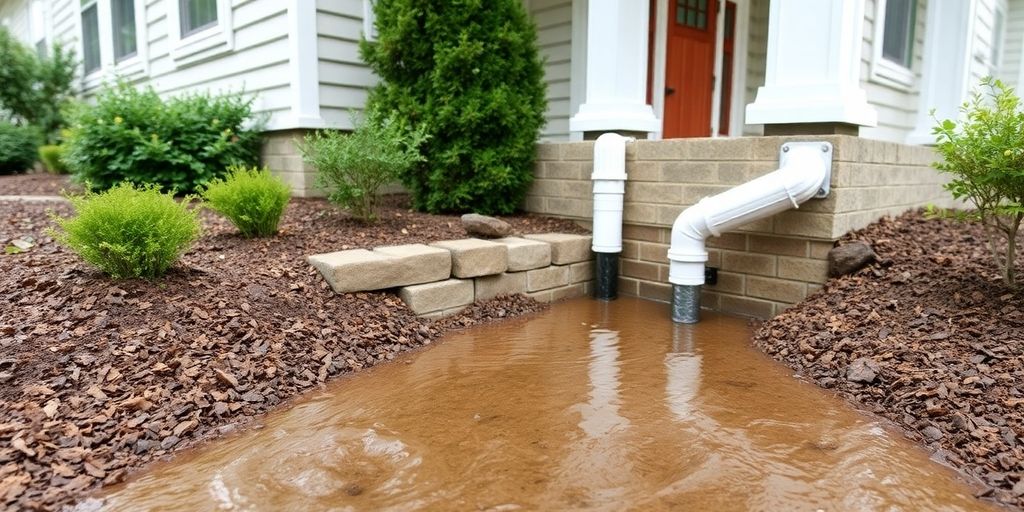
Getting the ground around your house to slope the right way is a big deal. You want water to flow away from your foundation, not toward it. If the ground is flat or sloping the wrong way, rainwater can pool up and eventually seep into your home. Fixing this might mean adding some soil to create a slope or rethinking your landscaping. And while you’re at it, consider installing drainage systems like French drains to direct water where you want it to go.
Roof Maintenance and Gutter Cleaning
Your roof and gutters are your home’s first defense against rain. Keeping them in good shape is non-negotiable. Over time, gutters fill up with leaves and debris, which can block water flow and lead to overflows. This overflow can cause damage to your siding or even your foundation. Make it a habit to clean your gutters at least twice a year—spring and fall are good times. Also, check your roof for missing shingles or cracks that could let water sneak in. Don’t wait for a leak to take action.
Sealing Windows and Doors
Windows and doors are common trouble spots when it comes to water intrusion. If they’re not sealed properly, even a small gap can let water in during a storm. Use weatherproof caulking to seal any cracks around frames. It’s a simple job that can save you a lot of headaches later. For older windows and doors, you might want to think about upgrades that include better seals or even water-resistant designs.
A little effort now can save you from major repairs later. Think of these measures as an investment in keeping your home dry and safe.
Interior Strategies to Prevent Water Damage
Regular Plumbing Inspections
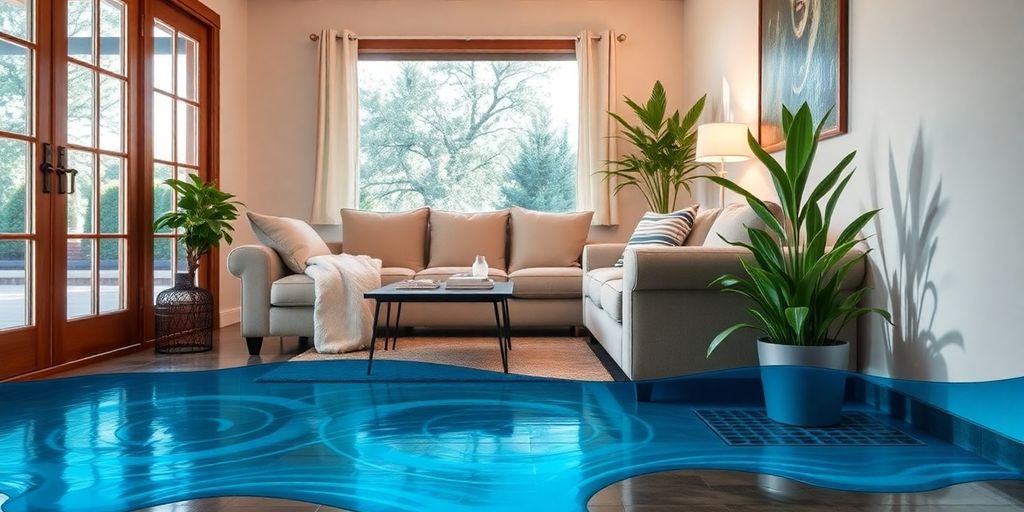
One of the simplest yet most effective ways to avoid water damage inside your home is by keeping an eye on your plumbing. Pipes, faucets, and water supply lines can develop small leaks over time, and if left unchecked, those little drips can turn into major problems. Regular plumbing inspections—both visual checks and professional evaluations—can help you catch issues before they escalate. Look under sinks, behind appliances, and around water heaters for any signs of moisture. Don’t forget to check hoses and connections on appliances like washing machines and dishwashers; these are common culprits for sudden water damage.
Using Water-Resistant Materials
In areas prone to moisture, like bathrooms and kitchens, using water-resistant materials can be a game-changer. Consider installing water-resistant drywall or applying moisture-resistant paint to walls. For floors, materials like vinyl, tile, or sealed concrete are excellent choices. These materials don’t just prevent water from seeping in—they make cleanup easier if a spill or leak does occur. Adding waterproof membranes in high-risk spots can provide an additional layer of protection, ensuring that water doesn’t seep where it shouldn’t.
Installing Leak Detection Systems
Technology can be your best friend when it comes to water damage prevention. Leak detection systems are designed to alert you at the first sign of trouble. These devices can be installed near appliances, under sinks, or even on your main water line. Some models will even shut off your water automatically if a leak is detected, saving you from potential disaster. If you live in a flood-prone area or have older plumbing, this is an investment worth considering. It’s a proactive way to avoid costly repairs and keep your home safe from unexpected water damage.
Water damage isn’t just a financial burden—it can disrupt your life and even pose health risks due to mold growth. Taking small steps now can save you from bigger headaches later.
Addressing Basement and Foundation Water Issues
Waterproofing Basements
Basement waterproofing is one of the most effective ways to keep water out. Start by sealing any visible cracks in the walls or floors with a waterproof sealant. Hydrostatic pressure from oversaturated soil can force water through even the smallest gaps, so sealing is a must. Additionally, applying a waterproof coating to basement walls and floors adds an extra layer of protection. If your basement tends to stay damp, consider investing in a dehumidifier to control moisture levels.
Installing Sump Pumps
A sump pump is a game-changer for homes prone to water accumulation. These devices collect and pump out excess water, preventing flooding and reducing moisture buildup. To ensure your sump pump performs when needed, test it regularly and have a backup power source, like a battery, in case of outages. Many modern sump pumps also include alarms to alert you if water levels rise unexpectedly.
Repairing Foundation Cracks
Foundation cracks are common entry points for water. Whether caused by settling, poor drainage, or natural wear over time, these cracks need immediate attention. Use epoxy or polyurethane injections to seal smaller cracks. For more significant structural issues, consult a professional. Proper grading around the foundation can also help prevent future cracks by directing water away from the home. Don’t forget to inspect your foundation regularly, especially after heavy rainfall or seasonal changes.
A dry basement isn’t just about comfort—it’s about protecting the structural integrity of your home. Addressing water issues early can save you from costly repairs down the line.
Seasonal Maintenance to Avoid Water Intrusion
Winterizing Your Home
Winter brings its own set of challenges, especially when it comes to water intrusion. Frozen pipes are one of the most common culprits, often leading to bursts and significant water damage. To prevent this, make sure to insulate any exposed pipes in unheated areas like basements, crawl spaces, or attics. Keep your thermostat set to a consistent temperature, even when you’re away, to avoid sudden freezing. Also, let faucets drip slightly during extreme cold snaps to keep water moving through the pipes.
Don’t forget about outdoor water systems. Disconnect and drain garden hoses and shut off exterior faucets. Any leftover water in these lines can freeze, expand, and cause damage to the pipes or the faucet itself.
Preparing for Heavy Rainfall
Spring and fall often bring heavy rains, which can overwhelm your home’s drainage systems if you’re not prepared. Start by clearing out gutters and downspouts, ensuring water flows freely away from your home. If you notice pooling water near the foundation, consider installing downspout extensions or splash blocks to direct water further away.
Check your roof for missing or damaged shingles, as these can let water seep into your attic or walls. It’s also a good idea to inspect your yard’s grading. The soil should slope away from your home to keep water from accumulating near the foundation.
Inspecting HVAC Systems
Your HVAC system plays a surprising role in preventing water damage. During seasonal transitions, inspect your system for any leaks or condensation buildup, especially around the drain lines. Replace filters regularly to ensure proper airflow and reduce humidity levels inside your home.
If you use a humidifier during the winter, monitor it closely. Excess moisture can lead to condensation on windows and walls, creating the perfect environment for mold growth. Keep the humidity level in your home between 30% and 50% for optimal comfort and safety.
Seasonal maintenance isn’t just about avoiding costly repairs—it’s about protecting your home and peace of mind year-round. A little effort now can save you from major headaches later.
Detecting and Responding to Water Intrusion
Identifying Early Signs of Water Damage
Spotting water damage early can save you a lot of hassle and money. Keep an eye out for telltale signs like discoloration or stains on walls and ceilings, warped flooring, or peeling paint. If you notice a musty smell, it could be a sign of hidden moisture or mold. Regularly inspecting vulnerable areas like basements, attics, and around windows is key.
Using Moisture Meters and Sensors
Moisture meters and leak detection sensors are handy tools to locate hidden water problems. A moisture meter can measure the dampness in materials like wood or drywall, while sensors can alert you to leaks in real-time. Some advanced systems even connect with your smartphone, so you can monitor your home remotely. For instance, you can use a food coloring test for toilets to detect leaks, which can waste up to 30% of water. Detecting water leaks early helps prevent costly repairs.
Steps to Mitigate Immediate Damage
When water intrusion happens, quick action can minimize the damage. Here’s what to do:
- Shut off the water supply if the source is internal, like a burst pipe.
- Remove any standing water using a wet/dry vacuum or mop.
- Use fans or dehumidifiers to dry out the area as quickly as possible.
- Move furniture and valuables out of the affected area to prevent further damage.
- Call in professionals if the damage is extensive or if mold is present.
Ignoring water damage—even small leaks—can lead to bigger problems like mold, structural issues, and skyrocketing repair costs. Addressing it promptly protects your home and wallet.
Long-Term Solutions for Water Intrusion Prevention
Installing French Drains
French drains are a practical way to redirect water away from your home’s foundation. These systems use perforated pipes surrounded by gravel to channel water effectively. They’re especially helpful in areas prone to heavy rainfall. If you’re considering this solution, make sure to consult a professional to ensure proper installation. Pairing this with other drainage solutions, like sump pumps, can create a robust defense against water intrusion.
Upgrading Home Ventilation
Good ventilation isn’t just about comfort—it’s a key part of keeping moisture levels in check inside your home. High-humidity areas, like basements and bathrooms, are prime spots for mold growth and water damage. Adding exhaust fans, improving attic airflow, or even using a dehumidifier can make a big difference. Proper ventilation not only reduces water-related risks but also improves overall indoor air quality.
Investing in Smart Home Water Systems
Smart water systems are becoming increasingly popular for their ability to detect leaks and prevent damage before it starts. These systems can monitor water usage, send alerts for unusual activity, and even shut off the water supply if a major leak is detected. While the upfront cost might seem high, the long-term savings from avoiding water damage can make it worthwhile. Think of it as an investment in peace of mind.
Taking proactive steps now can save you from costly repairs and headaches down the road. Water damage doesn’t just ruin belongings—it can compromise the structure of your home. Prioritize prevention to protect what matters most.
To effectively prevent water intrusion in your home, consider long-term strategies that focus on proper drainage, regular maintenance, and protective barriers. Start by ensuring that gutters and downspouts are clear and directing water away from your foundation. Regularly inspect your property for cracks or gaps and seal them to keep moisture out. Additionally, landscaping can play a crucial role; sloping the ground away from your home helps divert rainwater. For more detailed tips and professional assistance, visit our website today!
Conclusion
Water intrusion is one of those things that can sneak up on you if you’re not paying attention. Whether it’s a leaky pipe, poor drainage, or a crack in the foundation, the damage can add up fast. But the good news? A little prevention goes a long way. Regular maintenance, keeping an eye on problem areas, and acting quickly when you spot an issue can save you a ton of stress (and money) down the road. At the end of the day, protecting your home from water damage is about staying proactive and not letting small problems turn into big ones. Your home is worth it.
Frequently Asked Questions
What is water intrusion in a home?
Water intrusion happens when water enters your home through leaks, cracks, or other openings. It can come from plumbing issues, weather conditions, or structural problems.
How can I prevent water from entering my basement?
You can prevent water in your basement by waterproofing the walls, installing a sump pump, and ensuring the ground around your home slopes away from the foundation.
What are the signs of water damage in a house?
Common signs include water stains on walls or ceilings, peeling paint, musty odors, and visible mold growth. You might also notice warped floors or bubbling wallpaper.
How often should I clean my gutters to avoid water damage?
It’s a good idea to clean your gutters at least twice a year, especially in the spring and fall, to prevent clogs that can lead to water overflow and damage.
Are leak detection systems worth installing?
Yes, leak detection systems can alert you to leaks early, helping you avoid costly repairs by catching problems before they worsen.
What should I do if I notice water leaking into my home?
If you see water leaking, act quickly. Identify the source, stop the water if possible, and call a professional to assess and repair the issue.