Mold in your house is like that uninvited guest who just won’t leave. It’s sneaky, hiding in corners and creeping into your walls. If you’ve ever spotted those dark, damp patches or caught a whiff of that musty smell, you know what I’m talking about. Home mold remediation isn’t just about getting rid of mold; it’s about making sure your home stays safe and healthy. In this guide, we’ll break down what you need to know about dealing with mold, from spotting it to keeping it from coming back.
Key Takeaways
- Mold can be more than just an eyesore; it can affect your health, causing allergies and respiratory issues.
- Identifying mold early can save you a lot of trouble and expense in the long run.
- DIY methods might work for small mold problems, but big infestations need professional help.
- Keeping your home dry and well-ventilated is key to preventing mold from coming back.
- Always read labels on mold remediation products to ensure they’re safe and effective.
Understanding Home Mold Remediation
What Is Home Mold Remediation?
Home mold remediation is the process of identifying, cleaning, and preventing mold growth in your home. Mold can be a pesky invader, thriving in damp, humid environments and spreading quickly if not addressed. Effectively managing mold is crucial to maintaining a healthy living space. The goal is to not only remove visible mold but also tackle the underlying moisture issues that led to its growth.
Common Causes of Mold Growth
Mold loves moisture, so any time there’s water intrusion, there’s a risk of mold. Some common culprits include:
- Leaky roofs or windows
- Plumbing issues like burst pipes
- Poor ventilation, especially in bathrooms and kitchens
When these issues aren’t fixed, they create a perfect breeding ground for mold.
Health Risks Associated with Mold
Mold isn’t just unsightly; it can also pose significant health risks. Exposure to mold can lead to respiratory problems, allergic reactions, and even more severe health issues for those with compromised immune systems. People often report symptoms like coughing, sneezing, and skin irritation when mold is present in their homes.
Mold contamination can seriously impact your health and well-being. Understanding the risks and taking action can help protect you and your family from potential harm. For more on this, check out our detailed guide on mold contamination.
Identifying Mold Infestations
Signs of Mold in Your Home
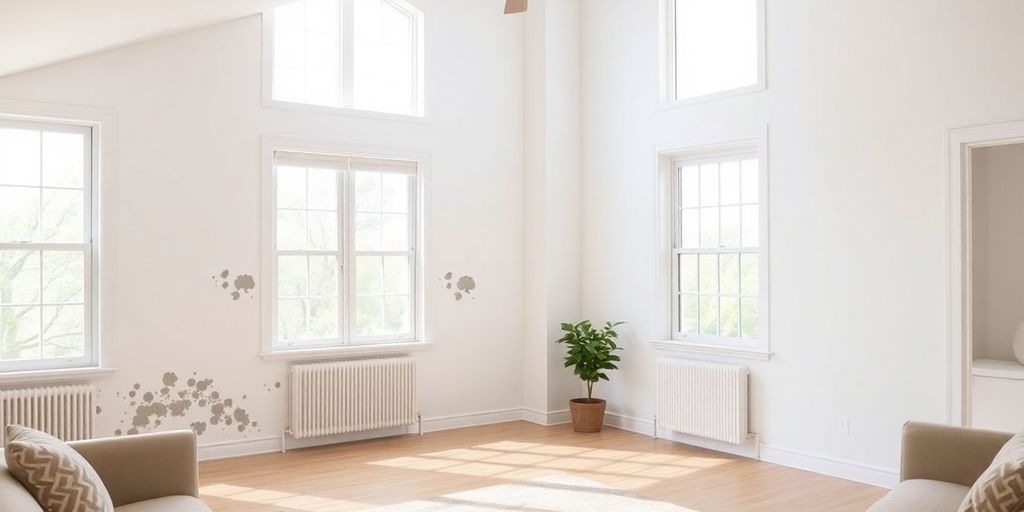
You might not see mold right away, but there are some telltale signs. A musty odor is often the first clue. This smell is distinct and hard to miss once you’ve encountered it. Look for discoloration on walls, ceilings, or floors. Mold can appear in shades of black, green, or even white. Peeling wallpaper or bubbling paint might also indicate moisture problems that lead to mold. If you or your family members experience unexplained allergies or respiratory issues, mold might be a hidden culprit.
How to Inspect for Mold
Inspecting for mold isn’t just about looking for visible signs. Start by checking areas prone to moisture, like bathrooms, basements, and kitchens. Use a flashlight to peer into dark corners and behind appliances. Consider hiring a professional service like Ruach Home Services to conduct a thorough inspection. They can identify mold sources and assess the extent of the infestation, which is crucial for effective remediation.
Tools for Mold Detection
Detecting mold can be tricky, but the right tools can make it easier. Here’s a list of essential tools:
- Moisture meters: These devices measure moisture levels in building materials, helping to pinpoint areas at risk.
- Hygrometers: Use these to monitor humidity levels in your home, ensuring they stay below 60% to prevent mold growth.
- Infrared cameras: These can detect temperature variations that might indicate moisture behind walls or ceilings.
Mold detection is not just about finding the obvious. It requires a careful approach and sometimes professional help to ensure your home stays safe and healthy.
Effective Mold Removal Techniques
DIY Mold Removal Methods
Tackling mold on your own can be a practical approach if the infestation is minor. Always start by wearing protective gear like gloves and masks to avoid health risks. Here’s a simple step-by-step guide:
- Identify the moldy area and ensure it’s well-ventilated.
- Mix a solution of one cup of bleach with a gallon of water.
- Apply the solution to the moldy surface using a scrub brush.
- Let it sit for at least 15 minutes, then rinse with clean water.
- Dry the area thoroughly to prevent mold from returning.
Remember, if the mold covers more than 10 square feet, it might be best to call in a professional.
When to Call a Professional
Sometimes, mold problems are too big or too tricky to handle alone. If you notice persistent mold even after cleaning, or if it’s spread to large areas, it’s time to get expert help. Services like Ruach Home Services specialize in effective mold remediation, ensuring that your home is safe and mold-free. They can also provide valuable advice on preventing future issues.
Safety Precautions During Remediation
Safety should be your top priority during mold removal. Here are some essential precautions:
- Wear protective clothing: Use long sleeves, gloves, and masks.
- Seal off the affected area: Prevent mold spores from spreading by closing doors and windows.
- Use air purifiers: These can help capture airborne mold spores during the cleaning process.
Mold removal isn’t just about cleaning; it’s about creating a healthier living space. Taking the right steps ensures that you and your family are safe from potential health risks.
Preventing Future Mold Growth
Controlling Humidity Levels
Keeping your home’s humidity in check is key to stopping mold from taking over. Aim to keep indoor humidity below 50%. You can use a dehumidifier to help with this, especially in damp areas like basements. It’s also a good idea to regularly check your HVAC system to ensure it’s working properly. Remember, the more moisture in the air, the happier mold will be.
Proper Ventilation Strategies
Good air circulation is your friend when it comes to mold prevention. Make sure your home is well-ventilated by opening windows when the weather allows and using exhaust fans in kitchens and bathrooms. This helps to get rid of excess moisture and keeps the air fresh. In areas prone to moisture, like the bathroom, consider installing a vent fan if you don’t have one.
Regular Home Maintenance Tips
Keeping up with regular home maintenance can save you a lot of headaches down the line. Here’s a quick list to keep mold at bay:
- Inspect and repair leaks: Check roofs, windows, and plumbing for leaks. Even small drips can lead to big mold problems.
- Clean and repair gutters: Make sure gutters are clean and directing water away from your home.
- Seal windows and doors: Ensure they are properly sealed to prevent water from seeping in.
Regular checks and a bit of TLC for your home can make a huge difference in keeping mold away. It’s easier to prevent than to fix once it starts.
For more on keeping your home mold-free, check out maintaining indoor humidity tips.
Choosing the Right Mold Remediation Products
Types of Mold Remediation Products
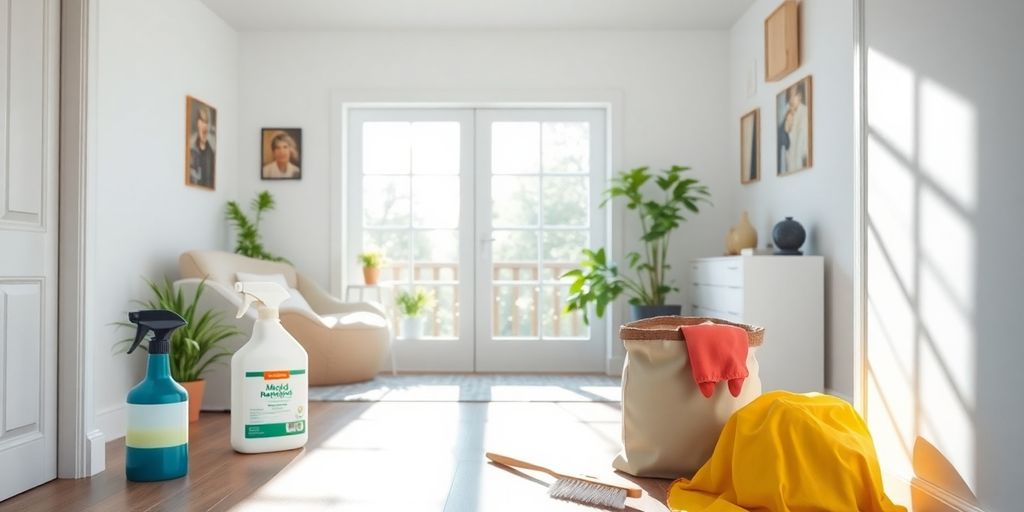
When it comes to tackling mold, the market is flooded with various products, each claiming to be the best. It’s essential to know what you’re dealing with. Mold removers generally fall into three categories: chemical-based, natural, and biocide solutions. Chemical-based products are often powerful but can be harsh on surfaces and may pose health risks. Natural options, like those containing essential oils, are gentler and eco-friendly. Biocides are typically used by professionals due to their potency.
Eco-Friendly Options
If you’re looking for a greener approach, there are plant-based products that effectively remove mold without the harsh chemicals. These products are not only safer for your home but also for the environment. For instance, a mold and mildew stain remover made with plant-based ingredients and peppermint oil can be a great choice. They tackle tough stains while leaving a fresh scent.
Understanding Product Labels
Navigating product labels can be a bit tricky, but it’s crucial for choosing the right mold remediation product. Look for key terms like EPA-registered, which indicates the product has been evaluated for safety and effectiveness. Also, check for instructions on application and safety precautions. A clear understanding of these labels can help you select a product that fits your needs without unnecessary risks.
Picking the right mold remediation product is more than just grabbing the first bottle you see. By understanding the types of products available and what their labels mean, you can effectively tackle mold while keeping your home safe and healthy.
Legal and Insurance Considerations
Understanding Mold Remediation Laws
Navigating the legal landscape of mold remediation can be a bit tricky. Laws differ from one state to another, but generally, they dictate certain standards for how mold should be handled in homes and commercial properties. Knowing these laws is crucial to ensure that any remediation work you undertake or hire complies with local regulations. In some areas, there might be specific requirements for licensing or certification of mold remediation contractors. It’s always a good idea to check your local government’s website or contact a legal expert if you’re unsure.
Insurance Coverage for Mold Damage
When it comes to insurance, things can get a little complicated. Homeowners insurance may cover mold under certain conditions, but it’s important to understand policy limits. Typically, if mold results from a covered peril, like a burst pipe, you might be in luck. However, if it’s due to neglected maintenance, you could be out of pocket. It’s wise to review your policy or talk to your insurance agent to see what’s covered and what isn’t. Additionally, there are supplemental coverage options available for mold damage, which might be worth considering if you live in a mold-prone area.
Documenting Mold Issues for Claims
When filing an insurance claim for mold, documentation is key. Here are some steps to help you prepare:
- Take photos of the affected areas as soon as you notice mold.
- Keep a record of any communication with your insurance company.
- Gather all receipts and invoices for any repairs or inspections related to the mold issue.
Having a well-documented case can make the claims process smoother and increase your chances of getting the compensation you deserve.
"Properly documenting mold issues not only helps in insurance claims but also serves as a crucial record if legal action becomes necessary."
Long-Term Monitoring and Maintenance
Setting Up a Mold Monitoring System
Keeping an eye on mold is like a regular health check-up for your home. You want to catch any issues before they get out of hand. Installing a mold monitoring system can help you do just that. These systems often include humidity sensors and air quality monitors that alert you when conditions are ripe for mold growth. It’s like having a personal watchdog for your indoor environment.
Regular Inspections and Maintenance
Think of regular inspections as your home’s routine doctor visits. You don’t wait until you’re sick to see a doctor, right? Similarly, you shouldn’t wait for visible mold to appear before checking your home. Schedule inspections every six months, focusing on places like basements, bathrooms, and attics where mold loves to hide. During these checks, pay attention to any damp spots or musty smells. If you find any, it might be time to call in the pros, like those specializing in water damage restoration services, to handle the situation.
Community Resources for Mold Issues
Don’t go it alone. Many communities offer resources to help you tackle mold problems. Local health departments often provide information on mold prevention and remediation. Some even offer free or low-cost testing kits. Check out community workshops or online forums where you can learn from others’ experiences. Sharing tips and advice can be a game-changer when dealing with mold.
Keeping your home mold-free is an ongoing process, but with the right tools and a little help from your community, you can create a healthier living space. Remember, mold prevention is a marathon, not a sprint.
Keeping an eye on your home is important for its long-term health. Regular check-ups and maintenance can help catch problems early, saving you time and money. If you want to learn more about how to keep your home in great shape, visit our website for helpful tips and services!
Wrapping It Up
So, there you have it, folks. Tackling mold in your home might seem like a big job, but with the right steps, it’s totally doable. Remember, keeping your space dry and clean is key. If you spot mold, don’t wait—jump on it fast. Sometimes, you might need to call in the pros, and that’s okay. Better safe than sorry, right? At the end of the day, a mold-free home means a healthier place for you and your family. So, keep an eye out, stay proactive, and breathe easy. You’ve got this!
Frequently Asked Questions
What is mold remediation?
Mold remediation is the process of cleaning, removing, and treating areas affected by mold to prevent its return.
How can I tell if I have mold in my home?
Look for signs like musty smells, visible mold spots, and water damage. You might also notice health symptoms like sneezing or coughing.
Is it safe to remove mold myself?
Small mold problems can be handled with DIY methods, but bigger infestations should be tackled by professionals to ensure safety.
What are common places mold grows?
Mold often grows in damp areas like bathrooms, basements, and kitchens. It can also be found around leaks or in humid spaces.
How can I prevent mold from coming back?
Keep humidity levels low, fix leaks promptly, and ensure good airflow in your home to prevent mold from returning.
Does insurance cover mold damage?
Some insurance policies cover mold damage, especially if it’s due to a covered event, but it’s important to check with your provider.