Water damage is a mess no one wants to deal with, but sometimes it just happens. Whether it’s a busted pipe or a surprise storm, the aftermath can be overwhelming. This guide is here to help you navigate through the chaos of water damage restoration. From understanding the process to deciding when to call in the pros, we’ve got you covered. Let’s dive into the nitty-gritty of getting your space back to normal with professional water damage restoration techniques.
Key Takeaways
- Assess the damage quickly to prevent further issues.
- Use proper equipment for effective water removal.
- Dry everything thoroughly to avoid mold.
- Consider professional help for extensive damage.
- Implement preventative measures to avoid future water damage.
Understanding the Water Damage Restoration Process
Initial Assessment and Inspection
The first step in any water damage restoration process is a thorough assessment. Professionals come in with tools like moisture detectors to find water hiding in places you wouldn’t think of. It’s not just about spotting visible water but understanding how deep the damage goes. This initial check is crucial because it sets the stage for the whole restoration plan.
Water Extraction Techniques
Once the assessment is done, it’s time to get rid of the water. Using high-powered pumps and vacuums, experts work quickly to remove standing water. The faster this happens, the better, as it helps minimize further damage. It’s not just about speed, though. Techniques can vary based on the type of water and the extent of the damage.
Drying and Dehumidification
After the bulk of the water is gone, drying and dehumidification take over. This phase is all about removing the moisture that lingers in the air and materials. Equipment like air movers and dehumidifiers are key players here. They help ensure everything is completely dry, reducing the risk of warping and mold. This step can take a while, sometimes days or even weeks, depending on how bad the damage is.
Cleaning and Sanitizing
The last step in the process is cleaning and sanitizing. It’s not just about making things look nice again. This stage is critical for health reasons too. Antimicrobial treatments might be used to kill any bacteria or mold spores. Everything from walls to personal items gets a thorough clean to make sure it’s safe and back to normal.
The Role of Professional Water Damage Restoration Services
Advantages of Hiring Experts
When water damage hits your home, it can be overwhelming. That’s where professional water damage restoration services come in handy. Getting experts involved early can save you time, money, and a lot of stress. They know how to quickly assess the damage and start the cleanup process, which is crucial to prevent further issues like mold growth. Plus, these pros have the right tools and knowledge to handle even the toughest situations, ensuring your home gets back to its former state.
Equipment Used in Restoration
Professional restoration services use a variety of advanced equipment to tackle water damage effectively. This includes industrial-grade dehumidifiers, high-speed air movers, and moisture detection tools. Such equipment isn’t typically available to the average homeowner. Here’s a quick look at some of the key tools:
- Industrial Dehumidifiers: Reduce humidity levels to prevent mold growth.
- High-Speed Air Movers: Help dry out the affected area quickly.
- Moisture Meters: Detect hidden moisture that can lead to further damage if not addressed.
Handling Insurance Claims
Dealing with insurance claims after water damage can be a headache. Professional restoration services often assist with this process, making it less of a burden for you. They can document the damage, provide detailed reports, and communicate directly with your insurance company to ensure everything is covered. This support can be invaluable, especially when you’re already dealing with the stress of water damage.
Having a trusted team like Ruach Home Services on your side can make all the difference during such challenging times. They not only help restore your home but also guide you through the insurance claims process, ensuring a smoother recovery.
Effective Water Extraction and Drying Techniques
Advanced Water Extraction Equipment
When dealing with water damage, the first priority is to get rid of excess water as quickly as possible. This is where advanced water extraction equipment comes into play. These tools, like high-capacity pumps and industrial-grade vacuums, are designed to handle large volumes of water efficiently. Using professional equipment not only speeds up the extraction process but also minimizes the risk of further damage.
Here’s a quick rundown of some commonly used water extraction tools:
- Submersible Pumps: Ideal for removing standing water from basements or other flooded areas.
- Wet/Dry Vacuums: Useful for smaller jobs where water needs to be removed from carpets or hard surfaces.
- High-Volume Water Extractors: These are essential for large-scale extraction in commercial spaces.
Importance of Thorough Drying
After extracting the water, the next crucial step is drying. Thorough drying prevents secondary damage like mold growth and structural weakening. Air movers and dehumidifiers are typically used to accelerate this process. It’s important to monitor moisture levels continuously to ensure the area is completely dry before moving on to any restoration work.
Preventing Mold Growth
Mold can start growing within 24 to 48 hours after water exposure, making it vital to address moisture issues promptly. To prevent mold, ensure that all affected areas are thoroughly dried and ventilated. If you suspect mold has started to form, consider hiring professionals who specialize in water damage restoration and repair services. They use specialized techniques and equipment to not only remove mold but also to prevent it from returning.
"Quick and efficient water extraction and drying are not just about restoring your space; they are about preventing long-term problems that can affect your health and property value."
Restoration and Reconstruction After Water Damage
Repairing Structural Damage
When water invades your home, it doesn’t just make things wet—it can really mess up the structure. We’re talking about everything from soggy drywall to warped floors. First things first, you need to figure out just how bad the damage is. This means checking out walls, floors, and ceilings to see what’s what. If things look rough, you might need to bring in a structural engineer or a contractor. They’ll help decide if you need to repair or replace stuff like drywall or flooring.
Restoring Aesthetic Appeal
Once you’ve got the structure sorted, it’s time to make the place look good again. This is where you tackle things like repainting walls, fixing trim, and maybe even replacing carpets or tiles. It’s all about getting your home back to its original vibe. Sometimes this means matching paint colors or finding the right flooring to replace what’s been damaged. The goal is to make it look like nothing ever happened.
Rebuilding Damaged Areas
In some cases, parts of your home might need a complete rebuild. This could be due to severe water damage that just can’t be fixed with a patch job. When this happens, it’s important to have a plan. Work with professionals to figure out the best materials and designs for your rebuild. This is also a good time to consider any upgrades or changes you’ve been thinking about. After all, if you’re rebuilding, you might as well make some improvements!
Preventing Future Water Damage
Regular Maintenance Tips
Keeping your home in tip-top shape is crucial in avoiding water damage. Regular maintenance is your first line of defense. Here’s what you should focus on:
- Inspect plumbing systems: Regularly check pipes, faucets, and appliances for leaks or corrosion. Fixing small issues early can save you from bigger headaches later.
- Roof checks: Don’t forget about your roof! Look for missing shingles or signs of wear and tear. A sturdy roof keeps the rain out and your home dry.
- Gutter cleaning: Clogged gutters can cause water to overflow and damage your home’s foundation. Clean them out regularly to ensure smooth water flow.
Identifying Potential Risks
Spotting potential issues before they become major problems is key. Here are some things to watch for:
- Foundation cracks: Keep an eye on your home’s foundation. Small cracks can let water seep in, leading to significant damage.
- Appliance maintenance: Appliances like washing machines and dishwashers can be sneaky culprits of water damage. Regularly check hoses and connections.
- Water detection devices: Consider installing these devices to alert you to leaks before they cause serious damage.
Emergency Preparedness
Being prepared for emergencies can minimize damage when water problems arise. Here’s how to get ready:
- Know your water main: Quickly shutting off your water supply can prevent extensive damage. Make sure everyone in your household knows how to do this.
- Emergency kit: Keep a kit with essentials like tarps, towels, and a wet/dry vacuum handy. You’ll be glad you did if water starts pouring in.
- Plan of action: Have a plan for contacting professionals, like Ruach’s trusted water damage restoration services, who can help with immediate actions and insurance claims.
Taking these steps not only protects your home but also gives you peace of mind. A little preparation can go a long way in safeguarding your property from water damage.
Safety Measures During Water Damage Restoration
Ensuring Electrical Safety
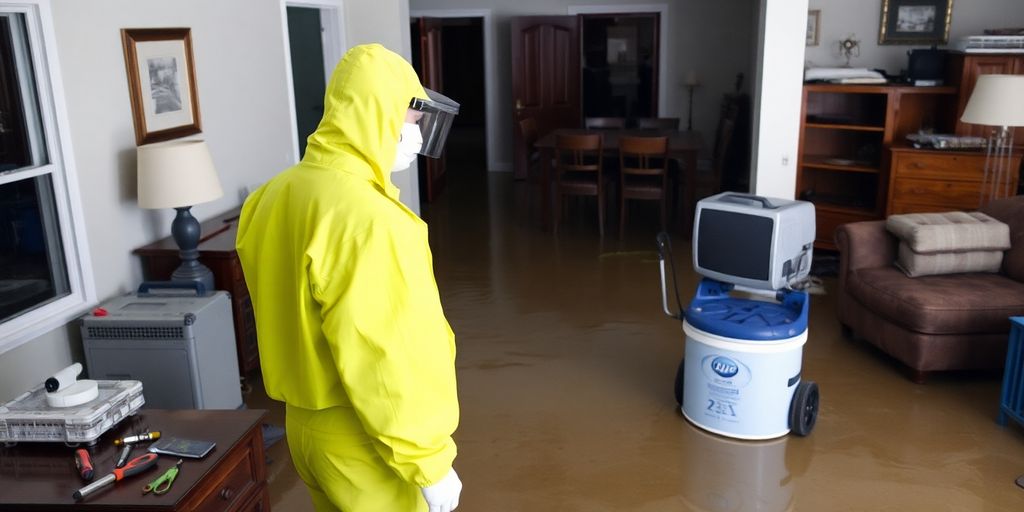
When dealing with water damage, one of the first things you need to think about is electrical safety. Water and electricity don’t mix, and it’s a combination that can be downright dangerous. Make sure to turn off the power supply to any affected areas before you start any cleanup or restoration work. If you’re unsure about the safety of the electrical system, it’s best to consult a professional electrician. Remember, it’s not just about the visible wires; water can seep into walls and reach hidden electrical components.
Handling Contaminated Water
Not all water is the same, especially in a flood. Sometimes, the water can be contaminated, carrying harmful bacteria or chemicals. Black water, which is water from sewage or flooding, is particularly hazardous. When dealing with contaminated water, it’s crucial to wear protective gear like gloves and masks. Avoid direct contact with the water and use appropriate disinfectants to clean the area thoroughly. For large-scale contamination, professional services might be necessary to ensure proper cleanup.
Personal Protective Equipment
Safety gear is your best friend during water damage restoration. Equip yourself with personal protective equipment (PPE) to minimize exposure to harmful substances. This includes:
- Gloves: Protects your hands from chemicals and contaminants.
- Masks: Shields your lungs from dust, mold spores, and other airborne particles.
- Goggles: Keeps your eyes safe from splashes and debris.
Safety isn’t just about following rules; it’s about protecting yourself and those around you. Taking the right precautions can make a big difference in the outcome of your restoration efforts.
Mold Prevention and Remediation
Identifying Mold Risks
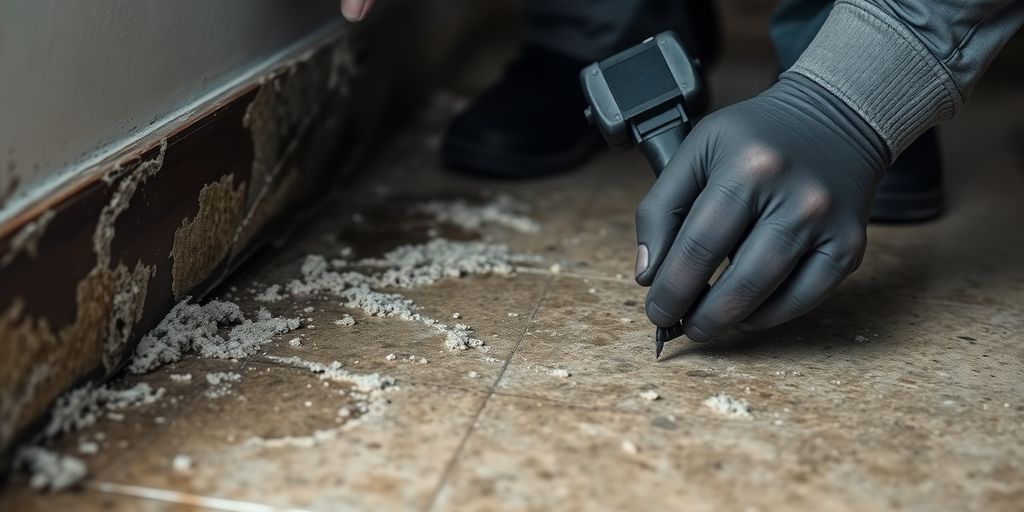
Mold can sneak up on you, hiding in the damp corners of your home. It loves moisture, so places like basements, bathrooms, and kitchens are prime spots. Keep an eye out for visible signs like black or green spots on walls or ceilings. But it’s not just about what you can see—sometimes, mold lurks behind walls or under floors. A musty odor is a big red flag that mold might be present. Regularly checking these areas, especially after any water damage, can help you catch mold early.
Steps for Mold Remediation
Once you’ve spotted mold, it’s time to act quickly. Mold remediation isn’t just about scrubbing away the visible spots. It involves a thorough process to ensure your home is mold-free. Here’s a basic rundown:
- Inspection and Assessment: Start by identifying the extent of the mold problem. Professional services, like Ruach Home Services, can help pinpoint the source and severity.
- Containment: To prevent mold from spreading, the affected area should be sealed off.
- Air Filtration: Use air scrubbers and HEPA filters to remove mold spores from the air.
- Removal: This involves cleaning or removing mold-infested materials. Depending on the severity, drywall, insulation, and carpets might need to go.
- Cleaning and Sanitizing: Clean the area with specialized products to kill any remaining mold spores and prevent future growth.
- Restoration: Finally, repair or replace any damaged materials to restore your home to its original state.
Health Implications of Mold
Mold isn’t just an eyesore; it’s a health hazard. Breathing in mold spores can lead to respiratory issues, especially for those with allergies or asthma. Even healthy individuals might experience symptoms like coughing, sneezing, or skin irritation. Long-term exposure can lead to more serious health problems. It’s crucial to address mold issues promptly to protect your health and that of your family.
Mold can be more than just a nuisance; it’s a potential health risk that requires immediate attention. Don’t wait until it’s too late to address this issue. Taking proactive steps can save you a lot of trouble down the road.
Swift Response to Water Damage
Importance of Immediate Action
When water damage strikes, speed is everything. The quicker you act, the less damage you’ll have to deal with. Water left unattended can lead to structural issues, mold growth, and more. It’s not just about saving your property, but also about keeping the repair costs down. This is why it’s crucial to jump into action immediately when you notice any signs of water trouble.
Steps to Take When Water Damage Occurs
- Turn Off Water and Electricity: First things first, cut off the water source if possible, and switch off electricity in the affected areas to prevent accidents.
- Document the Damage: Take photos or videos of the damage for insurance purposes. This step is often overlooked but can be crucial for your claims.
- Remove Standing Water: Use mops, buckets, or wet/dry vacuums to get rid of as much water as you can. The faster you remove the water, the better.
- Dry and Dehumidify: Open windows, use fans, and dehumidifiers to dry out the space. Moisture is a breeding ground for mold, so thorough drying is essential.
- Call Professionals: If the damage is extensive, it’s wise to contact a water damage repair company to handle the restoration process.
Minimizing Long-term Damage
Preventing long-term damage means being proactive. After the initial cleanup, continue to monitor the area for signs of mold or structural issues. Regular inspections and maintenance can help spot potential problems before they escalate. It’s also a good idea to review your insurance policy to understand what is covered in such events.
Taking swift action not only saves money but also ensures the safety and health of everyone involved. The longer you wait, the worse the situation can get, turning a manageable issue into a major headache.
When water damage strikes, quick action is key. Our team at Ruach Home Services is ready to help you restore your home to its original state. Don’t wait for the problem to get worse—reach out to us today for expert assistance! Visit our website to learn more about our services and get started on your restoration journey.
Conclusion
Water damage is no joke, but with the right steps, you can tackle it head-on. First things first, assess the damage and make sure everything’s safe. Then, get that water out and dry things up to avoid mold. If it feels like too much, don’t hesitate to call in the pros—they’ve got the gear and know-how to get your place back to normal. Remember, acting fast is key to keeping damage and costs down. By following this guide, you’re better prepared to handle water damage and keep your property in good shape for the long haul. Stay informed, stay safe, and don’t let water damage get the best of you.
Frequently Asked Questions
What is water damage restoration?
Water damage restoration is the process of cleaning, drying, and repairing a home or building after it has been damaged by water. This can happen due to leaks, floods, or broken pipes.
Why is it important to act quickly after water damage?
Acting quickly is crucial because standing water can lead to mold growth and further damage to your property. The faster you address the issue, the less damage and cost you’ll face.
Can I handle water damage restoration myself?
While small leaks might be manageable on your own, bigger water damage often requires professional help. Experts have the right tools and knowledge to ensure your home is properly restored.
What equipment do professionals use for water damage restoration?
Professionals use special equipment like pumps to remove water, dehumidifiers to dry the air, and air movers to help dry surfaces quickly.
How can I prevent mold after water damage?
To prevent mold, it’s important to dry out the area completely and quickly. Using dehumidifiers and fans can help, and sometimes professional mold treatment is necessary.
Does insurance cover water damage restoration?
Insurance coverage for water damage depends on your policy. It’s important to check with your insurance provider to understand what is covered and what steps you need to take to file a claim.