Mold in your home can be a real headache. Not only is it unsightly, but it can also cause health issues if not handled properly. When it comes to dealing with mold, many homeowners wonder if their insurance will help cover the costs of removal. The answer isn’t always straightforward. Homeowners insurance can cover mold removal, but it depends on the circumstances. Understanding what your policy covers and what it doesn’t is key to avoiding unexpected expenses. Let’s break down the essentials of how homeowners insurance deals with mold removal.
Key Takeaways
- Homeowners insurance may cover mold removal if it’s caused by a sudden, accidental event that’s covered by your policy.
- Mold due to neglect or poor maintenance typically isn’t covered by standard insurance policies.
- You might need additional coverage or a rider for mold-related issues not covered by your standard policy.
- Filing a mold claim can potentially raise your insurance premiums, so weigh the costs before proceeding.
- Regular home maintenance and moisture control are crucial in preventing mold growth and avoiding costly repairs.
Understanding Homeowners Insurance and Mold Coverage
What is Mold and Why is it a Concern?
Mold is a type of fungus that thrives in damp, humid environments. It can grow on a variety of surfaces, from walls to carpets, and even inside the structure of your home. The real concern with mold is its potential to cause health issues, ranging from mild allergic reactions to more serious respiratory problems. In addition, mold can cause significant damage to your property, leading to costly repairs if not addressed promptly.
Basic Homeowners Insurance Coverage Explained
Homeowners insurance is designed to protect your home and personal property against certain risks, known as perils. These typically include events like fire, theft, and certain types of water damage. However, understanding what your policy covers can be tricky. Most standard policies cover sudden and accidental damage, but they often exclude issues that result from poor maintenance or neglect, such as mold.
How Mold Coverage Differs from Standard Policies
Mold coverage is not typically included in a standard homeowners insurance policy. Instead, it is often considered an additional coverage option that you can purchase separately. This is because mold is usually seen as a preventable problem through proper home maintenance. However, if mold results from a covered peril, like a burst pipe, your insurance may help cover the costs of removal. It’s crucial to review your insurance policy to understand any coverage gaps, as typical policies often exclude protection against mold, among other things. Some insurers offer endorsements or riders to add mold coverage, but these come with their own limits and conditions.
When Does Homeowners Insurance Cover Mold Removal?
Covered Perils Leading to Mold
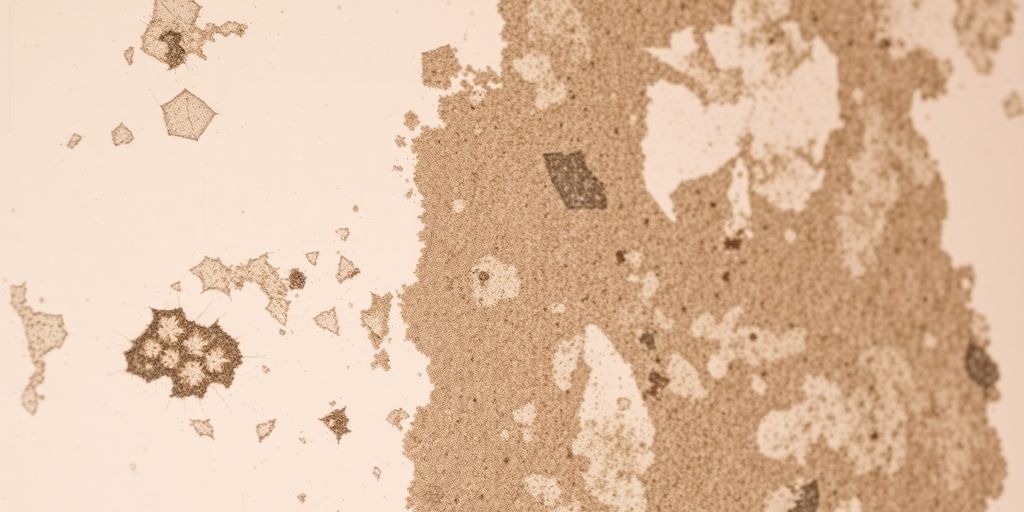
Homeowners insurance typically covers mold removal when it’s caused by a "covered peril". These are specific events that your policy lists as covered, like sudden and accidental water damage. For instance, if a pipe bursts and water seeps into your walls, causing mold, your insurance might cover the cleanup. However, if the mold is due to long-term issues like poor ventilation, it’s probably not covered.
Examples of Covered Mold Scenarios
Let’s look at some scenarios where mold removal might be covered:
- Burst Pipes: If a pipe suddenly bursts and leads to mold, this is usually covered.
- Water Damage from Firefighting: Mold that develops after water is used to put out a fire might be covered.
- Appliance Overflows: An unexpected washing machine overflow causing mold could be covered.
These situations show the importance of understanding what your policy considers a "covered peril".
Limitations and Conditions for Coverage
While your policy might cover mold removal, there are often limits on how much it will pay. Insurers might set a cap on the amount they will cover for mold remediation, so even if your claim is accepted, you could still face some out-of-pocket costs. Additionally, you need to act quickly and report the issue as soon as it’s discovered. Delays can lead to denial of your claim.
It’s crucial to read your policy carefully and talk to your insurance agent to understand the specifics of your coverage. Knowing these details can save you a lot of hassle if you ever need to file a claim.
Situations Where Homeowners Insurance Does Not Cover Mold
Negligence and Lack of Maintenance
Homeowners insurance is not your safety net if mold pops up due to neglect or poor maintenance. Insurance companies expect homeowners to keep their homes in good condition. If you let a leaky faucet drip for months or ignore a drafty window, leading to mold, you’re likely on your own. Here are some common neglect scenarios:
- An unfixed leak under the kitchen sink.
- Unsealed windows allowing rain to seep in.
- A bathroom with no ventilation, causing mold over time.
Excluded Perils and Events
Certain events are just not covered by standard policies. Mold resulting from these excluded perils won’t be covered:
- Flooding from natural disasters like hurricanes or heavy rain.
- Water backup from a failed sump pump.
- Sewer backups causing water damage.
These situations often require additional coverage or endorsements.
Understanding Policy Exclusions
Insurance policies come with a list of exclusions, and mold from long-standing issues is usually one of them. If the mold damage existed before your policy started or before you bought your home, it’s not covered. It’s vital to read through your policy or consult with your agent to understand these exclusions.
Mold isn’t just a cosmetic issue; it can affect your health and home value. Knowing when your insurance has your back—and when it doesn’t—can save you a lot of headaches and money.
For professional help with mold issues, Ruach Home Services offers thorough inspections and remediation services to tackle mold effectively.
How to File a Mold Claim with Your Homeowners Insurance
Steps to Take When You Discover Mold
Finding mold in your home can be unsettling, but acting quickly can help you manage the situation effectively. Here’s a simple guide to help you through the process:
- Stop the Source: If a leak is causing the mold, shut off the water supply immediately. Knowing where your main shut-off valve is before an emergency can save precious time.
- Document Everything: Take clear photos and videos of the affected areas. Make a detailed list of all items damaged by the mold. This documentation will be crucial when filing a homeowners insurance claim.
- Start Cleanup: Remove standing water and use a dehumidifier or fans to dry the area. This step helps prevent further mold growth. If the job feels too big, consider hiring a professional.
- Make Temporary Repairs: Before filing your claim, make basic repairs to prevent more damage. For example, cover holes in the roof or broken windows. Keep receipts for any materials or services you purchase during this process.
- File Your Claim: Contact your insurance agent as soon as possible to start the claim process. The sooner you file, the quicker you can address the problem.
Documentation and Evidence Required
When submitting your claim, having thorough documentation can make a big difference. Here’s what you’ll need:
- Photos and Videos: Capture both wide shots and close-ups of the damage.
- Inventory List: Write down every item affected, noting their condition and any identifying details.
- Receipts and Estimates: Save all receipts for repairs and any professional services hired. If possible, get estimates for the cost of mold remediation.
Having this information at hand can help streamline the claims process and improve your chances of a successful outcome.
Working with Insurance Adjusters
Once your claim is filed, an insurance adjuster will likely visit your home to assess the damage. Here’s how to prepare:
- Be Present During the Inspection: This ensures you can answer any questions and provide additional information if needed.
- Show Your Documentation: Present all your photos, videos, and lists to the adjuster.
- Discuss Coverage: Confirm what your policy covers regarding mold damage and any limits or exclusions.
Filing a mold claim can be a straightforward process if you’re prepared. By acting quickly and keeping detailed records, you can help ensure your claim is processed smoothly.
Remember, every insurance policy is different, so it’s important to understand your specific coverage details and requirements for mold-related issues.
Preventing Mold Growth in Your Home
Tips for Moisture Control
Mold loves damp and humid environments, so keeping moisture in check is crucial. Here are a few tips to help you manage moisture levels in your home:
- Install dehumidifiers in areas prone to moisture, like basements and bathrooms, to keep humidity levels low.
- Make sure your home is properly ventilated. Use exhaust fans in the kitchen and bathroom to reduce moisture buildup.
- Regularly check your home for leaks, especially around pipes, windows, and roofs. Fix any leaks immediately to prevent water accumulation.
Keeping your home dry is the first line of defense against mold. By managing moisture, you can significantly reduce the risk of mold taking hold.
Regular Home Maintenance Practices
Routine maintenance is key to preventing mold. Here’s what you should focus on:
- Clean and repair gutters regularly to ensure water is directed away from your home.
- Inspect your roof for damage and fix any issues promptly to prevent leaks.
- Avoid carpeting in areas like bathrooms and basements where moisture is common.
Identifying Early Signs of Mold
Catching mold early can save you a lot of trouble down the line. Here are some signs to watch out for:
- A musty odor is often a giveaway of hidden mold.
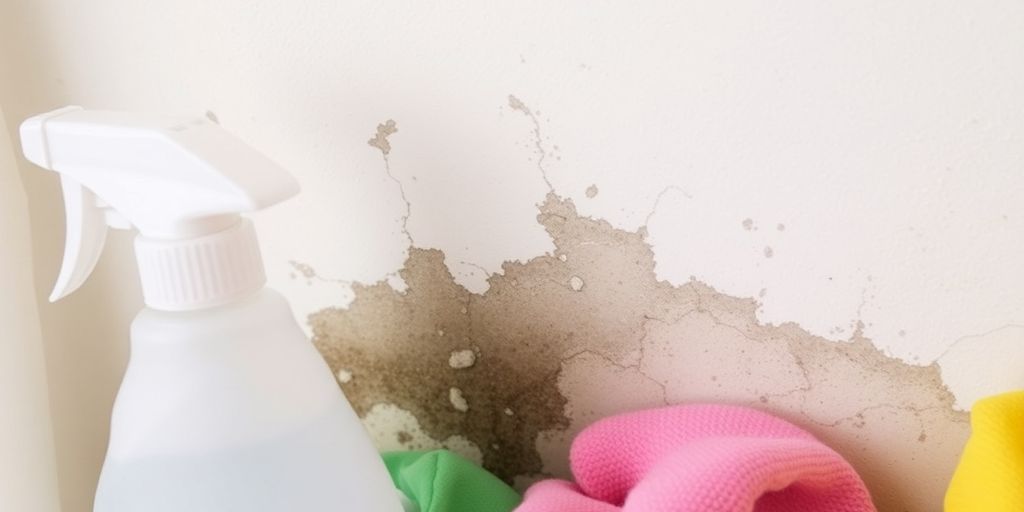
- Look for water stains or discoloration on walls and ceilings.
- Be alert to any increase in allergy symptoms or respiratory issues among household members.
Taking these steps can help you prevent mold from becoming a major problem in your home. Remember, staying vigilant and acting quickly when you notice signs of mold can save you time and money in the long run.
Additional Coverage Options for Mold Remediation
Mold Endorsements and Riders
Adding a mold endorsement or rider to your homeowners insurance policy can offer extra protection. These add-ons specifically cover mold damage that might not be included in a standard policy. Mold endorsements can be a lifesaver if you live in a damp area or have had mold issues before. It’s crucial to discuss these options with your insurance agent to understand the costs and benefits. Remember, each policy is different, so tailor your coverage to fit your needs.
Flood and Water Backup Coverage
Flood and water backup coverage are other options to consider. These coverages can help pay for water damage that leads to mold, especially from sources like a backed-up drain or broken sump pump. However, they typically don’t cover gradual leaks or flooding from rising bodies of water. If you live in a flood-prone area, this coverage might be essential.
Evaluating the Cost-Benefit of Additional Coverage
When weighing the cost of additional coverage, consider the potential impact on your finances. Mold remediation isn’t cheap, and without proper coverage, you could be facing hefty out-of-pocket expenses. Here’s a quick breakdown:
| Coverage Type | Average Cost | Potential Benefits |
|---|---|---|
| Mold Endorsement/Rider | Varies | Specific mold damage coverage |
| Flood Coverage | $500/year | Covers flood-related damage |
| Water Backup Coverage | $50-$250/year | Covers water backup issues |
Choosing the right additional coverage for mold remediation is about balancing risk and cost. Think about your home’s location, past issues, and your financial situation before making a decision.
The Financial Implications of Mold Claims
Cost of Mold Remediation
Mold is not just a pesky problem; it can be quite expensive to tackle. On average, mold remediation costs around $2,222, but this can vary based on the extent and type of mold infestation. If the mold has spread to structural elements like walls or floors, expect the costs to skyrocket. Having a clear understanding of these costs can help homeowners make informed decisions about their insurance claims.
Impact on Insurance Premiums
Filing a mold claim can lead to higher insurance premiums. If the remediation cost is close to your deductible, say $2,000, the insurer might only cover a small fraction of the expenses. In such cases, the increase in premiums might outweigh the benefits of filing a claim. It’s essential to weigh the immediate financial relief against long-term costs.
Deciding When to File a Claim
When it comes to mold claims, timing and severity are crucial. Consider filing a claim if:
- The mold damage is extensive and beyond routine maintenance.
- The cost of remediation significantly exceeds your deductible.
- The mold results from a covered peril, like a sudden pipe burst.
Filing a claim for minor mold issues might not be worth it due to potential premium hikes. Assess if the damage is significant enough to warrant a claim.
For more information on scenarios where home insurance typically covers mold damage, consider reviewing your policy’s specifics and speak with your insurance agent.
Mold claims can have a big impact on your finances. If you find mold in your home, it might cost a lot to fix it. This can include repairs, cleaning, and even health issues. It’s important to act quickly to prevent more damage and costs. For more information on how to handle mold claims and protect your home, visit our website today!
Wrapping It Up: Mold and Your Home Insurance
So, there you have it. Mold and homeowners insurance can be a bit of a tricky combo. It’s not always straightforward, and coverage really depends on how the mold got there in the first place. If it’s from something sudden and accidental, like a busted pipe, you might be in luck. But if it’s from something like a slow leak you didn’t fix, well, that’s probably on you. The key takeaway? Keep an eye on your home, fix issues as they pop up, and know what’s in your policy. That way, if mold does show up, you’ll know exactly what to do. And remember, when in doubt, give your insurance agent a call—they’re there to help. Stay informed and stay dry!
Frequently Asked Questions
What is mold and why is it a concern for homeowners?
Mold is a type of fungus that grows in damp places. It can cause health problems and damage to your home, so it’s important to deal with it quickly.
Does homeowners insurance cover mold removal?
Homeowners insurance might cover mold removal if the mold is caused by a sudden problem like a burst pipe, but not if it’s from neglect.
When is mold not covered by homeowners insurance?
Mold is usually not covered if it’s due to poor maintenance, like a long-standing leak or poor ventilation.
How can I prevent mold in my home?
To prevent mold, fix leaks quickly, keep your home dry, and ensure good air flow. Regular cleaning and maintenance help too.
What should I do if I find mold in my home?
If you find mold, clean it up if it’s small. For bigger problems, you might need a professional. Check your insurance policy to see if you’re covered.
Can I add extra mold coverage to my insurance?
Yes, you can often buy extra coverage for mold. This might be a good idea if you live in a damp area or have had mold problems before.