Mold in your home can be a real headache, and dealing with it might leave you wondering if your homeowners insurance will help cover the costs. It’s not always straightforward, and understanding when you’re covered is key. This article dives into the nitty-gritty of mold remediation and what your insurance might cover. From knowing when mold damage is included in your policy to understanding the exclusions, we’ve got you covered. Let’s break it down so you know what to expect and how to handle mold issues if they pop up.
Key Takeaways
- Homeowners insurance may cover mold if it’s caused by a sudden and accidental event, like a burst pipe.
- Mold from neglect, such as long-term leaks, typically isn’t covered by standard policies.
- Additional mold coverage can be added to your policy for extra protection.
- Proper documentation is crucial when filing a mold claim with your insurance.
- Preventing mold through regular maintenance and moisture control is your best defense.
Understanding Mold Coverage in Homeowners Insurance
What Is Mold Coverage?
Mold coverage in homeowners insurance can be a bit tricky to understand. Generally, your insurance will cover mold damage if it results from a "sudden and accidental" event, like a burst pipe or unexpected water damage. However, it’s important to note that not all policies automatically include mold coverage. Sometimes, you might need to add an endorsement to your policy to ensure you’re protected. Mold coverage is not a given, so it’s crucial to know your specific policy details.
Importance of Mold Coverage
Mold isn’t just unpleasant to look at; it can be quite harmful to your health and your home’s structure. Exposure to mold can lead to respiratory issues, allergies, and other health problems, especially for those with pre-existing conditions. Additionally, mold can cause significant damage to your home, resulting in costly repairs. Having mold coverage means you have a safety net if your home suffers from mold due to a covered event. Without it, you might find yourself paying out of pocket for expensive remediation.
Common Misconceptions About Mold Coverage
Many people mistakenly believe that their standard homeowners insurance will cover any mold damage. This isn’t always the case. Mold caused by neglect, such as failing to fix a leak, or by perils not covered by your policy, like floods, is typically not covered. It’s also a common misconception that all mold damage is treated equally by insurance companies. In reality, the specifics of your coverage depend on the details of your policy and any additional endorsements you might have.
Understanding the nuances of your policy is essential. You don’t want to discover too late that your insurance won’t cover a mold issue you assumed was included.
To ensure you’re fully protected, consider discussing additional mold coverage options with your insurance agent. This proactive step can save you from unexpected expenses down the line.
When Mold Remediation Is Covered
Covered Perils Explained
Your homeowners insurance might cover mold damage if it stems from a "covered peril." These perils are specific events that your policy explicitly states it will cover. Common examples include sudden and accidental water damage, like when a pipe bursts or an appliance overflows. If mold develops as a result of such incidents, your insurance could help with the cleanup and repairs. However, it’s crucial to review your policy details or speak with your insurance agent to confirm what’s covered.
Additional Coverage Options
Some insurance policies offer extra mold coverage, which you can add for an additional premium. This add-on can be beneficial if your home is prone to moisture problems not typically covered by standard insurance. With this additional coverage, even mold issues not directly resulting from a covered peril might be eligible for claims. It’s a good idea to check with your insurer about these options, especially if you live in a damp climate.
Documentation for Claims
When mold strikes, having thorough documentation can make the claims process smoother. Here’s what you should do:
- Photograph the Damage: Take clear pictures of all affected areas, capturing the extent of the mold growth and any related damage.
- Keep Records: Maintain a log of all communications with your insurance company and any remediation professionals you consult.
- Collect Receipts: Save receipts for any expenses related to mold cleanup, such as professional services or materials purchased for DIY efforts.
Documenting the damage not only aids in filing a claim but also helps your insurance provider understand the full scope of the issue.
Exclusions in Mold Coverage
Neglect and Maintenance Issues
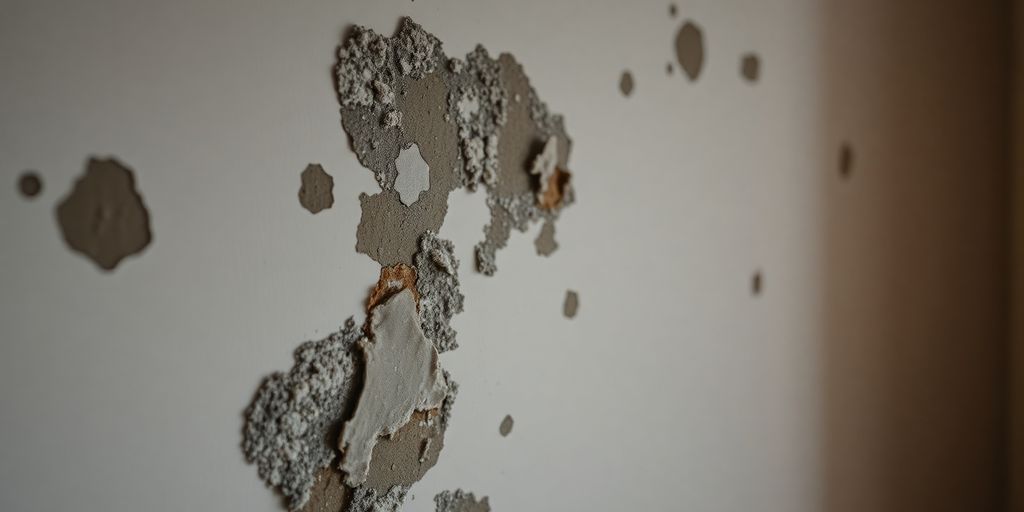
When it comes to homeowners insurance, mold damage isn’t always covered, especially if it’s due to neglect or poor maintenance. Insurance policies typically exclude coverage for mold growth resulting from negligence. For instance, if you have a leaky pipe that you ignore for months, and mold develops as a result, your insurance won’t cover it. Here are some common scenarios where neglect might lead to mold:
- Failing to repair a leaky roof or plumbing issue promptly.
- Ignoring condensation issues in humid areas like bathrooms.
- Not sealing windows or doors properly, allowing moisture to seep in.
Flood Damage Exclusions
Standard homeowners insurance policies generally do not cover mold damage caused by floods. Flooding is considered a separate peril, and mold resulting from such events requires additional flood insurance. Even with flood insurance, coverage for mold can be tricky. Some policies might only cover mold if you can’t access your home post-flood. To ensure you’re protected, consider:
- Purchasing a separate flood insurance policy, especially if you live in a flood-prone area.
- Discussing mold coverage specifics with your insurance provider to understand what’s included.
Gradual Infestation Concerns
Mold doesn’t always appear overnight. Sometimes, it creeps in slowly, which is why gradual infestations aren’t typically covered by standard policies. Insurance companies view these as preventable through regular maintenance. To avoid this issue:
- Conduct regular home inspections to catch potential mold problems early.
- Maintain proper ventilation and humidity control in your home.
- Address minor water issues before they escalate into significant problems.
Understanding the exclusions in your homeowners insurance policy is crucial. Mold can be a hidden threat, and knowing when you’re not covered can help you take preventive measures before it’s too late.
Preventing Mold Growth in Your Home
Moisture Control Techniques
Mold loves moisture, so keeping your home dry is a big deal. Start by checking for leaks under sinks, around tubs, and in basements. Fix these leaks fast to stop mold before it starts. Ventilation is crucial in places like kitchens and bathrooms, where steam builds up. Use exhaust fans or open windows to let that moisture out. If your home feels damp or sticky, consider getting a dehumidifier. It can help keep the air dry and less inviting for mold spores.
Regular Home Inspections
Think of regular home inspections as a routine check-up for your house. Look for signs of water damage like bubbling paint or warped wood. These can be red flags for mold. Check your roof, gutters, and areas prone to leaks. Catching these early can save you a ton of hassle later. Make a habit of inspecting your home every few months, especially after heavy rain or snow.
Ventilation and Airflow Management
Good airflow can really help keep mold away. Make sure air is moving freely in your home. Avoid blocking vents with furniture or curtains. In stuffy rooms, a simple fan can do wonders. For those tricky spots like attics or crawl spaces, consider adding vents. Even something as simple as opening windows regularly can make a big difference. Keep your home breathing, and mold will have a tougher time settling in.
Keeping mold out of your home isn’t just about fixing leaks or running fans. It’s about staying on top of things and making sure your house stays dry and well-ventilated. A little effort now can prevent a big headache later.
Filing a Mold Claim with Your Insurer
Steps to File a Claim
Dealing with mold can be a hassle, but filing a claim doesn’t have to be. Act quickly because mold can spread fast. First, stop any leaks immediately to prevent further damage. Know where your main water shut-off valve is, just in case. Next, file your claim as soon as possible. Most insurers allow you to do this online, through an app, or by phone. Once you’ve reported the damage, start documenting everything.
- Stop the leak: If you have a water leak, turn off the main water valve right away.
- File promptly: Use your insurer’s app, website, or hotline to file your claim without delay.
- Document the damage: Take photos and videos of the affected areas and make a list of damaged items.
- Clean up and dehumidify: Remove excess water and use dehumidifiers to dry the area.
- Make temporary repairs: Protect your home from further damage but keep receipts for any expenses.
What to Document
Thorough documentation is key. Capture images of the mold, the extent of damage, and any items it has affected. Make sure your photos are clear and descriptive. This evidence will be crucial when you file your claim, as it helps your insurance provider understand the situation better. Keep a record of all communications with your insurer, including calls and emails.
Understanding Your Policy
Before you even encounter mold, it’s wise to review your homeowners insurance policy. Understand what it covers regarding mold damage. Some policies might cover mold if it’s due to a covered peril like a burst pipe, but not if it’s from long-term neglect. Reviewing your policy can save you headaches later on.
Taking proactive steps can make the claims process smoother. Knowing your policy details and acting quickly can prevent further issues. If your claim is denied, remember you can file an appeal with your insurance provider.
Costs Associated with Mold Remediation
Average Costs of Remediation
Mold remediation can be a pricey endeavor, often costing homeowners a significant chunk of change. On average, you might find yourself shelling out around $2,222 to tackle mold issues. The final bill can vary based on the type of mold and the extent of the infestation. Mold isn’t just a cosmetic problem; it can seriously harm your home’s structure and your health. It’s crucial to address it promptly to avoid even higher costs down the road.
Insurance Deductibles and Claims
When it comes to insurance, understanding your deductible is key. If your deductible is close to the average cost of remediation, say $2,000, your insurance might only cover a small portion of the expense, like $235. Before filing a claim, weigh the potential increase in premiums against the benefits. Sometimes, paying out of pocket might be more economical in the long run, especially if the damage isn’t extensive.
When to Consider Professional Help
While small mold spots might be manageable with DIY solutions, larger infestations require professional intervention. Professionals not only remove the mold but also address the underlying moisture issues to prevent recurrence. When choosing a remediation service, consider their experience, certification, and customer reviews. Effective water damage restoration often involves prompt action, thorough drying, and proper disinfection, which professionals are well-equipped to handle.
Mold remediation isn’t just about cleaning up; it’s about ensuring your home is safe and healthy for you and your family. Ignoring mold can lead to bigger problems, both health-wise and financially.
Health Risks Related to Mold Exposure

Common Health Issues
Mold in your home isn’t just an eyesore; it can seriously mess with your health. Breathing in mold spores can lead to a range of health problems. You might experience stuffy noses, itchy eyes, or even skin rashes. For folks with asthma or allergies, mold exposure can make symptoms way worse. In some cases, mold can even cause infections, especially in people with weakened immune systems.
Identifying Mold Symptoms
Not sure if mold is affecting you? Here are some signs to watch out for:
- Persistent coughing or sneezing
- Irritated eyes, nose, or throat
- Unexplained skin rashes or irritation
If these symptoms improve when you’re away from home, mold could be the culprit.
When to Seek Medical Attention
It’s important to know when to get help. If your symptoms are severe or don’t go away, it’s time to see a doctor. They can help determine if mold is the issue and suggest treatments. Also, if you have asthma or another respiratory condition, don’t wait—get checked out sooner rather than later.
Mold isn’t just a household nuisance; it’s a health risk that shouldn’t be ignored. Keeping an eye out for symptoms and knowing when to seek medical advice can make a big difference in your well-being.
For professional help with mold, consider Ruach Home Services, who specialize in thorough mold inspection and remediation.
Mold can be a serious problem for your health. Exposure to mold can lead to issues like allergies, respiratory problems, and other health concerns. If you think you have mold in your home, it’s important to act quickly. Don’t wait until it gets worse! Visit our website to learn more about how we can help you with mold removal and keep your home safe and healthy.
Conclusion
So, there you have it. Mold and homeowners insurance can be a tricky combo. It’s not always clear-cut when your insurance will step in to help. If mold pops up because of something sudden like a burst pipe, you might be in luck. But if it’s from a slow leak or something you could’ve fixed, don’t count on it. The key is to keep your home in good shape and know what’s in your policy. That way, if mold does show up, you’ll know what to expect. And remember, sometimes spending a bit more on extra coverage can save you a lot of headaches down the road.
Frequently Asked Questions
When won’t my homeowners insurance cover mold?
Homeowners insurance usually won’t cover mold if it’s due to neglect. For example, if a pipe leaks under your sink for months and you don’t fix it, any resulting mold might not be covered. Similarly, if a window isn’t sealed correctly and rain gets in over time, causing mold, that might be considered neglect.
Does insurance pay for mold cleanup and removal?
Insurance might cover mold cleanup and removal if the mold came from a covered event, like a sudden pipe burst. However, the coverage is often limited, so it’s important to check your policy details.
How can I stop mold from growing in my home?
To prevent mold, control moisture by fixing leaks quickly, ensuring gutters work properly, and using dehumidifiers in damp areas. Make sure air flows freely in your home and avoid carpets in places like basements and bathrooms.
What should I do if I find mold in my home?
If you find mold, take pictures and note the damage. Clean the area to stop mold from spreading, but consider hiring a professional for large areas. Check with your insurance to see if the damage is covered.
Are there health risks from mold exposure?
Yes, mold can cause health issues like allergies and breathing problems. If you have symptoms such as a runny nose or itchy eyes, and they get worse at home, mold might be the cause. It’s best to consult a doctor if you’re concerned.
What does ‘covered peril’ mean in insurance terms?
A ‘covered peril’ is an event that your insurance policy protects against, like accidental water damage. If mold grows because of a covered peril, your insurance might help pay for the cleanup.